Avoiding Common Pitfalls in Home Audio Installation
Learn the common mistakes to avoid in home audio installation for optimal sound quality and an immersive entertainment experience.

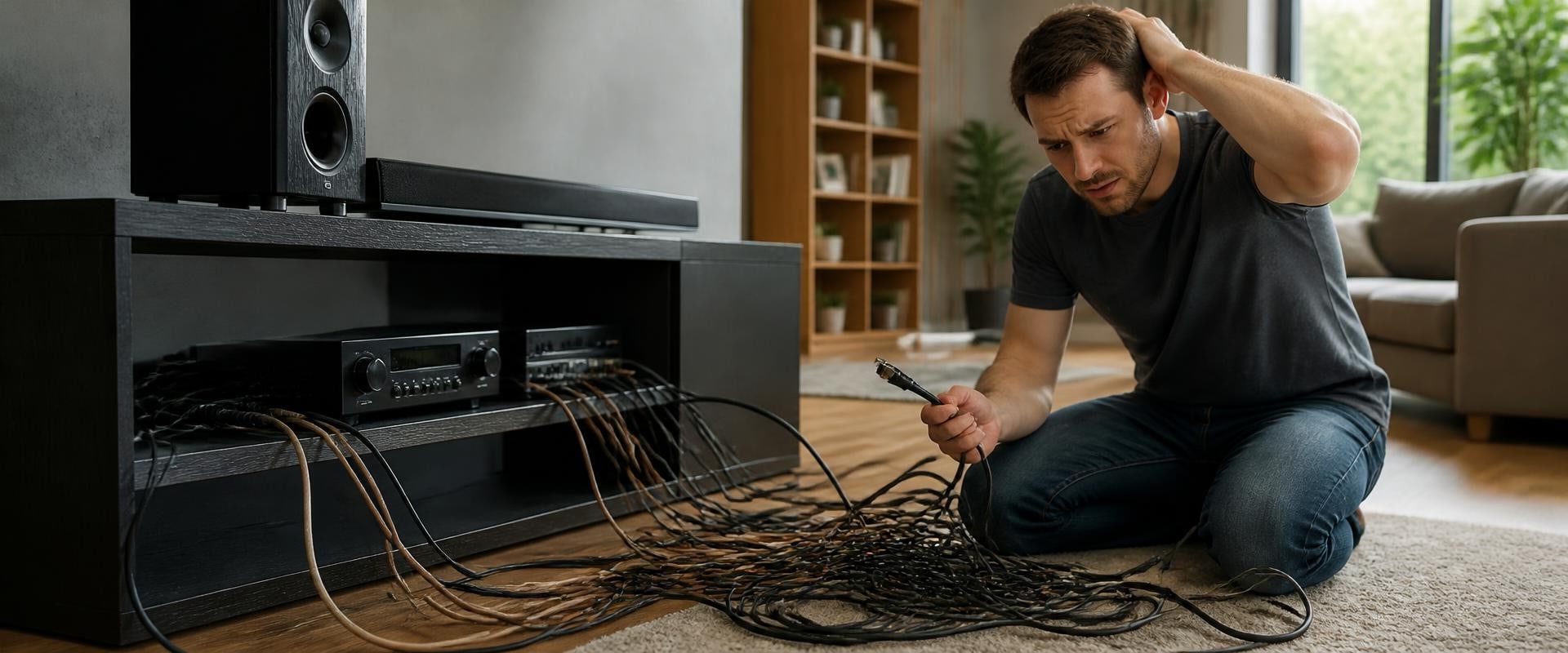
In today's world, home audio installation has become an essential aspect of creating an immersive entertainment experience. Whether you're a movie buff, a music lover, or a gaming enthusiast, the right audio setup can significantly enhance your enjoyment. However, many homeowners overlook the intricacies involved in setting up their audio systems, leading to subpar performance and frustration. Understanding the basics of audio system setup is crucial for achieving optimal sound quality and functionality. When embarking on a home audio installation project, it's important to recognize that this process goes beyond simply plugging in speakers and connecting wires.
It involves careful planning and consideration of various factors such as room acoustics, speaker placement, and equipment compatibility. By grasping these fundamentals, you can avoid common pitfalls that often plague DIY installations. This section aims to lay the groundwork for understanding the complexities of home audio installation. By highlighting the significance of proper setup and the potential mistakes that can arise, we hope to equip you with the knowledge needed to create a sound system that not only meets but exceeds your expectations. As we delve deeper into this topic, you'll discover how to navigate the challenges of audio installation effectively.
Mistake #1: Neglecting Room Acoustics
When it comes to home audio installation, one of the most critical yet often overlooked aspects is room acoustics.The way sound interacts with the surfaces in your room can significantly impact the overall sound quality. Neglecting this factor can lead to a disappointing audio experience, regardless of how high-end your equipment may be.
Understanding Room Acoustics
- Reflection: Sound waves bounce off hard surfaces like walls, ceilings, and floors. This can create echoes and distortions that muddy the audio.
- Absorption: Soft materials such as carpets, curtains, and upholstered furniture can absorb sound, reducing unwanted reflections and enhancing clarity.
- Diffusion: Properly diffusing sound waves helps to scatter them evenly throughout the room, preventing dead spots where sound may be weak or overly concentrated.
- Assess Your Space: Before installing your audio system, take time to evaluate the room's dimensions and layout. Identify any potential acoustic challenges such as parallel walls that may cause standing waves.
- Use Acoustic Treatments: Incorporate acoustic panels, bass traps, and diffusers to manage sound reflections and improve overall acoustics.
These treatments can help create a more balanced listening environment.
- Position Speakers Wisely: The placement of your speakers is crucial. Avoid placing them too close to walls or corners, as this can exacerbate bass buildup and lead to an imbalanced sound profile.
- Test and Adjust: After installation, spend time testing your audio setup. Use various music genres to evaluate how well the system performs in different frequency ranges. Make adjustments as necessary to achieve optimal sound quality.
Ignoring this aspect could mean missing out on the full potential of your audio system.
Mistake #2: Poor Speaker Placement
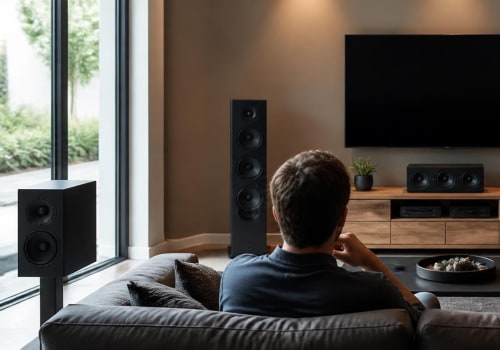
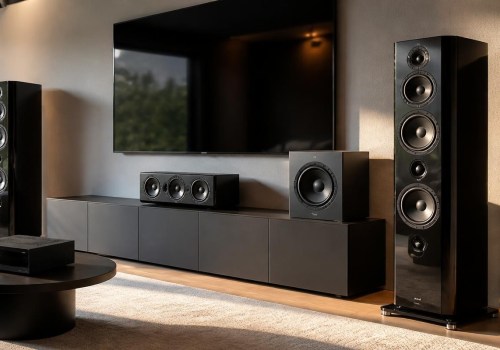
When it comes to home audio installation, one of the most critical aspects that can make or break your listening experience is speaker placement. Many homeowners underestimate the impact that the positioning of their speakers has on sound quality, leading to a less than optimal audio setup. One common mistake is placing speakers too close to walls or corners. This can cause unwanted reflections and bass buildup, resulting in a muddy sound. Ideally, speakers should be positioned at least a few feet away from walls to allow sound waves to disperse properly. Another frequent error is neglecting the listening position.Speakers should be angled towards the primary listening area, often referred to as the "sweet spot." This ensures that the sound reaches your ears directly without interference from other surfaces. A good rule of thumb is to form an equilateral triangle between the speakers and the listening position.
- Height Matters: Placing speakers at ear level when seated can significantly enhance clarity and detail in audio playback.
- Avoid Obstructions: Ensure that furniture or other objects do not block the path of sound waves. This can lead to a diminished audio experience.
- Consider Room Acoustics: Every room has unique acoustic properties. Experimenting with speaker placement can help you find the best configuration for your specific space.
By avoiding these common pitfalls and taking the time to strategically position your speakers, you can significantly enhance your overall sound quality and enjoyment.
Mistake #3: Inadequate Wiring and Connections
When it comes to home audio installation, one of the most critical aspects that can make or break your sound experience is the quality of your wiring and connections. Inadequate wiring can lead to a host of issues, including poor sound quality, intermittent audio dropouts, and even damage to your equipment.Understanding Audio Wiring
- Gauge Matters: The gauge of the wire you choose plays a significant role in audio performance. Thicker wires (lower gauge numbers) are generally better for longer runs, as they reduce resistance and signal loss.
- Speaker Wire Quality: Investing in high-quality speaker wire can enhance sound clarity and overall performance. Look for oxygen-free copper wires that minimize oxidation and improve conductivity.
- Proper Length: Avoid excessively long runs of wire, as this can degrade the audio signal.
Measure your distances carefully and plan your installation accordingly.
Avoiding Connection Mistakes
- Secure Connections: Loose connections can lead to crackling sounds or complete audio failure. Ensure that all connections are tight and secure, whether you're using banana plugs, spade connectors, or bare wire.
- Polarity Issues: Always pay attention to polarity when connecting speakers. Incorrectly wiring positive and negative terminals can result in phase cancellation, leading to a hollow sound.
- Use Quality Connectors: Cheap connectors may save you money upfront but can cause significant issues down the line. Opt for reliable connectors that ensure a solid connection.
By avoiding these common mistakes, you can enjoy a superior audio experience that truly brings your music and movies to life.
Mistake #4: Overlooking Equipment Compatibility
When it comes to home audio installation, one of the most critical yet often overlooked aspects is ensuring equipment compatibility. Many enthusiasts dive into purchasing components without fully understanding how they will work together, leading to a range of performance issues that can diminish the overall audio experience.Understanding Equipment Compatibility
- Amplifiers and Speakers: Ensure that your amplifier can handle the power requirements of your speakers. Mismatched wattage can lead to distortion or even damage.
- Source Components: Check if your source devices (like CD players or streaming devices) are compatible with your receiver. Look for supported formats and connections.
- Cables and Connectors: Using the wrong type of cables can hinder performance.
For instance, using a standard RCA cable instead of a high-quality optical cable for digital audio can result in inferior sound quality.
Tips for Ensuring Compatibility
- Research: Before making any purchases, research each component's specifications. Look for reviews and compatibility lists from manufacturers.
- Consult Professionals: If you're unsure, consult with an audio specialist who can guide you in selecting compatible components that will work harmoniously together.
- Test Before You Buy: If possible, test components together in-store to ensure they meet your expectations in terms of sound quality and functionality.
Mistake #5: Ignoring Calibration and Tuning
One of the most critical yet often overlooked aspects of home audio installation is the process of calibration and tuning. Many homeowners assume that once their speakers are set up, they will automatically deliver optimal sound quality.However, without proper calibration, even the best audio equipment can fall short of its potential.
Understanding Calibration
- Audio calibration involves adjusting the settings of your audio system to match the acoustics of your room. This includes balancing speaker levels, adjusting equalization settings, and ensuring that the timing of sound from different speakers is synchronized.
- Each room has unique characteristics that affect sound, such as wall materials, furniture placement, and even window treatments. These factors can create echoes or dead spots that distort audio quality.
The Importance of Tuning Speakers
- Tuning your speakers is essential for achieving a balanced sound profile. This process may involve adjusting bass and treble levels to suit your listening preferences and the specific acoustics of your space.
- Using a sound meter or an app designed for audio analysis can help you identify frequency response issues and make informed adjustments.
Sound Optimization Techniques
- Consider using a room correction system, which can automatically adjust settings based on real-time measurements of your room's acoustics.
- Regularly revisit your calibration settings, especially if you rearrange furniture or make changes to your room's layout.
What worked well before may not be optimal after a change.
Mistake #6: Skipping Professional Help When Needed
When it comes to home audio installation, many enthusiasts believe that they can handle everything on their own. While DIY projects can be rewarding, there are specific situations where seeking professional help is not just beneficial but essential.Recognizing When to Hire Help
One of the most common mistakes is underestimating the complexity of a home audio system. If your setup involves multiple zones, intricate wiring, or advanced technologies like surround sound or smart home integration, it may be time to consult a professional.Here are some indicators that you should consider hiring an expert:
- Lack of Technical Knowledge: If you're unfamiliar with audio equipment specifications or installation techniques, a professional can ensure everything is set up correctly.
- Time Constraints: If your schedule is packed, hiring a professional can save you hours of trial and error.
- Complex Layouts: Homes with unique architectural features may require specialized installation techniques that professionals are trained to handle.
Common Misconceptions About DIY Installations
Many homeowners believe that hiring a professional is an unnecessary expense. However, this misconception can lead to costly mistakes. For instance, improper installation can result in poor sound quality or even damage to your equipment. Additionally, professionals often have access to tools and resources that the average DIYer does not, which can make a significant difference in the final outcome. Ultimately, while DIY projects can be fulfilling and cost-effective for simpler installations, recognizing when to bring in a professional can save you time, money, and frustration in the long run.Investing in expert help ensures that your home audio installation meets your expectations and delivers the high-quality sound experience you desire.
Frequently Asked Questions About Home Audio Installation Mistakes
When it comes to home audio installation, many homeowners have questions about common pitfalls and how to avoid them. Here are some frequently asked questions that can help clarify the process and enhance your audio experience.What are the most common mistakes in home audio installation?
- Improper speaker placement: One of the biggest mistakes is not positioning speakers correctly. Ensure that speakers are at ear level and spaced appropriately for optimal sound.
- Ignoring room acoustics: Failing to consider the acoustics of your room can lead to poor sound quality. Use rugs, curtains, and furniture to help absorb sound and reduce echo.
- Overlooking wiring: Using low-quality cables or not securing them properly can result in interference and degraded audio quality.
Invest in good quality cables and ensure they are neatly organized.
How can I troubleshoot audio issues?
If you encounter problems with your home audio installation, here are some troubleshooting tips:- Check connections: Ensure all cables are securely connected and that there are no loose ends.
- Test different sources: If sound is inconsistent, try switching between different audio sources (like streaming services or CDs) to identify if the issue lies with a specific device.
- Adjust settings: Sometimes, the issue may be as simple as adjusting the settings on your receiver or amplifier. Make sure all settings are optimized for your specific setup.
Conclusion: Key Takeaways for Successful Home Audio Installation
In conclusion, achieving a successful home audio installation requires careful planning and attention to detail. By avoiding common pitfalls, you can enhance your listening experience and ensure that your audio system performs at its best. Here are the key takeaways to keep in mind:- Proper Speaker Placement: Ensure that speakers are positioned correctly to create an optimal soundstage.
Avoid placing them too close to walls or corners, which can distort sound quality.
- Quality Cables and Connections: Invest in high-quality cables and connectors to minimize signal loss and interference. Poor connections can lead to degraded audio performance.
- Room Acoustics: Consider the acoustics of your room. Use rugs, curtains, and furniture strategically to absorb sound and reduce echo.
- Avoid Overcomplicating the Setup: Keep your system simple. A complicated setup can lead to confusion and frustration, making it harder to enjoy your audio experience.
- Calibration: Take the time to calibrate your system properly.
Use tools or professional services to ensure that your audio settings are optimized for your space.