Selecting the Perfect Subwoofer for Your Home Audio Setup
Discover how to select the perfect subwoofer for your home audio installation, enhancing sound quality and immersion in music and movies.

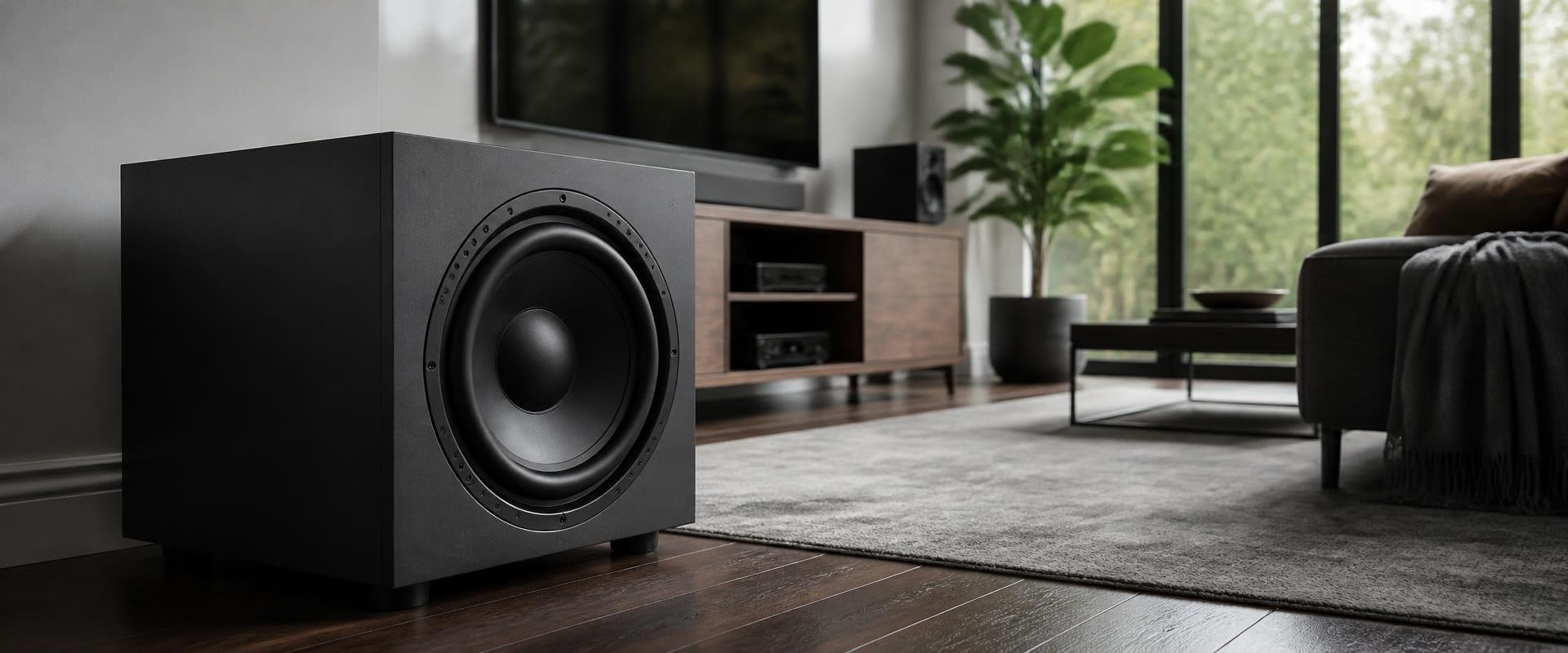
When it comes to home audio installation, one component often overlooked is the subwoofer. A subwoofer is a specialized speaker designed to reproduce low-frequency sounds, typically below 200 Hz. These frequencies are crucial for delivering the depth and richness that music and movies demand, making the listening experience more immersive. Without a subwoofer, your audio setup may lack the punch and clarity needed to fully appreciate bass-heavy genres or action-packed films. The role of subwoofers extends beyond just producing deep bass; they also enhance the overall sound quality of your audio system.
By offloading low-frequency sounds from your main speakers, subwoofers allow them to focus on mid and high frequencies, resulting in clearer vocals and instruments. This separation of sound frequencies not only improves audio fidelity but also creates a more balanced soundstage, which is essential for any serious audiophile. Incorporating a subwoofer into your home audio installation can transform your listening environment, whether you're setting up a dedicated home theater or simply enhancing your music system. Understanding how subwoofers work and their importance in achieving a complete audio experience is the first step in selecting the right one for your needs. As we delve deeper into this topic, you'll discover how to choose the perfect subwoofer that complements your existing setup and elevates your audio enjoyment to new heights.
Types of Subwoofers: Which One is Right for You?
When it comes to home audio installation, selecting the right subwoofer is crucial for achieving the best sound experience.Understanding the different types of subwoofers available can help you make an informed decision that suits your audio needs.
Active Subwoofers
Active subwoofers, also known as powered subwoofers, come with a built-in amplifier. This feature allows them to produce deep bass without requiring an external amplifier. Here are some advantages:- Ease of Setup: Since they have an integrated amplifier, active subwoofers are generally easier to install.
- Better Performance: They often provide more consistent performance due to their dedicated power source.
- Compact Design: Many active models are designed to be space-efficient, making them ideal for smaller rooms.
Passive Subwoofers
Passive subwoofers do not have a built-in amplifier and require an external amp to function. While they may require more setup effort, they offer some unique benefits:- Customization: You can choose your amplifier based on your specific needs, allowing for greater flexibility in your audio setup.
- Potentially Lower Cost: Passive subwoofers can be less expensive upfront, especially if you already own an amplifier.
- Scalability: They can be part of a larger audio system where multiple speakers are used, providing a more immersive sound experience.
Choosing the Best Type for Your Setup
The choice between active and passive subwoofers largely depends on your specific needs and preferences.If you prioritize ease of use and compactness, an active subwoofer may be the best fit. Conversely, if you enjoy customizing your audio experience and have the necessary equipment, a passive subwoofer could be the way to go. No matter which type you choose, ensure that it complements your overall home audio installation, enhancing both the quality and depth of sound in your space.
Key Features to Consider When Choosing a Subwoofer
When selecting a subwoofer for your home audio installation, understanding the key features is crucial for achieving optimal sound quality. Here are the primary specifications to consider:- Power Output: Measured in watts, the power output of a subwoofer determines how loud it can play without distortion. Look for a subwoofer with sufficient wattage to match your room size and listening preferences.
A higher wattage typically means better performance, especially in larger spaces.
- Frequency Response: This specification indicates the range of frequencies the subwoofer can reproduce. A good subwoofer should cover low frequencies, typically from 20 Hz to 200 Hz. The lower the frequency response, the deeper the bass you can expect, enhancing your overall audio experience.
- Size: The physical size of the subwoofer affects its performance. Larger drivers (measured in inches) can move more air, producing deeper bass sounds.
However, consider your available space; a larger subwoofer may not fit well in smaller rooms.
- Connectivity Options: Ensure that the subwoofer has compatible connectivity options for your audio setup. Look for models with RCA inputs, speaker-level inputs, or wireless capabilities if you prefer a clutter-free installation. This flexibility allows for easier integration into your existing system.
Ultimately, choosing a subwoofer that aligns with your specific needs and preferences will significantly enhance your home audio installation.
Matching Your Subwoofer with Other Audio Components
When it comes to home audio installation, ensuring that your subwoofer is compatible with your other audio components is crucial for achieving a balanced sound. Here are some key considerations to keep in mind:- Speaker Matching: Your subwoofer should complement your main speakers in terms of power and frequency response. If you have bookshelf speakers, a subwoofer that can handle lower frequencies will enhance the overall sound quality. Aim for a subwoofer that can reach down to at least 20 Hz to ensure deep bass.
- Power Ratings: Check the wattage of both your subwoofer and speakers.
Ideally, the subwoofer should have a power rating that matches or slightly exceeds that of your main speakers. This prevents distortion and ensures that all components work harmoniously.
- Impedance Compatibility: Ensure that the impedance ratings of your subwoofer and speakers are compatible with your amplifier or receiver. Most home audio systems operate at 4, 6, or 8 ohms. Mismatched impedance can lead to poor performance or even damage to your equipment.
- Placement: The location of your subwoofer can significantly affect sound quality.
Experiment with different placements in the room to find the spot where bass sounds best. Corners often amplify bass, but too much can lead to muddiness.
- Crossover Settings: Adjust the crossover frequency on your subwoofer to ensure it blends seamlessly with your speakers. A good starting point is around 80 Hz, but this may vary based on your specific setup.
- Calibration: Use an audio calibration tool or software to fine-tune the levels of each component in your system. This helps achieve a balanced sound profile across all frequencies.
By carefully considering compatibility and following these tips, you can create a cohesive and immersive audio experience in your home.
Room Acoustics and Placement Strategies for Subwoofers
When it comes to home audio installation, understanding room acoustics is crucial for achieving optimal sound quality. The way sound waves interact with the surfaces in your room can significantly affect the performance of your subwoofer. Here are some key considerations and tips for placing your subwoofer effectively:- Room Size and Shape: The dimensions and layout of your room play a vital role in how sound travels. Larger rooms may require more powerful subwoofers, while smaller spaces can benefit from compact models.
- Corner Placement: Placing a subwoofer in a corner can enhance bass response due to boundary reinforcement.
However, this may also lead to uneven sound distribution, so it’s essential to test different locations.
- Distance from Walls: Ideally, position your subwoofer at least a few inches away from walls to prevent excessive bass buildup. This distance allows for better sound dispersion and reduces the risk of creating standing waves.
- Listening Position: The placement of your subwoofer should consider the primary listening area. A common practice is to use the subwoofer crawl: place the subwoofer at your main listening position and move around the room to find where the bass sounds best, then relocate the subwoofer to that spot.
- Avoid Obstructions: Ensure that there are no large furniture pieces or obstacles blocking the path between the subwoofer and your listening area. This can help maintain clarity and impact in low-frequency sounds.
These treatments can help manage reflections and standing waves, leading to a more balanced sound profile. Ultimately, experimenting with different placements and configurations is key to finding the perfect setup for your specific environment. By paying attention to room acoustics and employing strategic placement techniques, you can significantly improve the performance of your subwoofer and elevate your overall audio experience.
Budgeting for Your Subwoofer: Finding Value Without Compromise
When it comes to home audio installation, budgeting for a subwoofer is crucial to achieving the best sound quality without breaking the bank. Understanding the price ranges and what you can expect at each level will help you make an informed decision.Subwoofer Pricing Overview
- Entry-Level Subwoofers ($100 - $300): These models are perfect for beginners or those on a tight budget. While they may lack some advanced features, many entry-level subwoofers still deliver decent bass performance suitable for casual listening and small rooms.
- Mid-Range Subwoofers ($300 - $700): In this price range, you can find subwoofers that offer a significant upgrade in sound quality and build.
Look for models with better power handling, larger drivers, and enhanced connectivity options. These subwoofers are ideal for home theaters and more serious audio setups.
- High-End Subwoofers ($700 and above): If you're an audiophile or looking to create a professional-grade home audio installation, investing in a high-end subwoofer is worthwhile. These models often feature advanced technology, superior materials, and exceptional sound reproduction capabilities.
Finding the Best Value Subwoofers
To ensure you get the best value for your money, consider the following tips:
- Research Reviews: Look for expert reviews and user feedback on various models. This will give you insights into performance and reliability.
- Compare Features: Make sure to compare specifications such as power output, frequency response, and connectivity options to find a model that meets your needs.
- Consider Brand Reputation: Established brands often provide better customer support and warranty options, which can be crucial in case of issues.
- Look for Sales: Keep an eye out for seasonal sales or discounts that can help you snag a higher-quality subwoofer within your budget.
Frequently Asked Questions About Subwoofers
When it comes to subwoofers, many users have questions that can significantly impact their home audio installation.Here are some of the most frequently asked questions:
- What size subwoofer do I need? The size of the subwoofer you choose should depend on the size of your room and your listening preferences. Generally, a larger subwoofer can produce deeper bass, but it may not be necessary for smaller spaces.
- How do I connect my subwoofer to my audio system? Most subwoofers can be connected via RCA cables or speaker wire. Ensure that your receiver has a dedicated subwoofer output (often labeled as LFE) for optimal performance.
- What is the difference between active and passive subwoofers? Active subwoofers have built-in amplifiers, making them easier to set up and use. Passive subwoofers require an external amplifier, which can offer more customization but may complicate installation.
- How do I troubleshoot my subwoofer? If your subwoofer isn't producing sound, check the connections first.
Ensure that the power is on and that the volume settings are appropriately adjusted. If issues persist, consult the user manual for specific troubleshooting steps.
- Can I use multiple subwoofers in my setup? Yes, using multiple subwoofers can enhance bass response and create a more immersive audio experience. However, proper placement and calibration are crucial to avoid phase issues.
Conclusion: Making an Informed Choice for Your Home Audio Installation
Choosing the right subwoofer for your home audio installation is a crucial step in achieving an immersive listening experience.Throughout this article, we have explored various factors that influence your decision, from understanding the different types of subwoofers to considering room acoustics and power requirements. To summarize, here are the key points to keep in mind:
- Type of Subwoofer: Decide between a passive or active subwoofer based on your audio setup and preferences. Active subwoofers come with built-in amplifiers, making them easier to integrate.
- Size Matters: The size of the subwoofer affects its performance. Larger drivers can produce deeper bass, but they may not fit well in smaller spaces.
- Power Handling: Ensure that the subwoofer can handle the power output of your amplifier without distortion. Look for RMS ratings that match your system's capabilities.
- Room Acoustics: Consider how your room's layout and materials will affect sound quality.
You may need to experiment with placement to find the optimal position for your subwoofer.
- Budget: Set a realistic budget that balances quality and affordability. Investing in a good subwoofer can significantly enhance your overall audio experience.