Understanding the Differences Between Wired and Wireless Home Audio Systems
Discover the key differences between wired and wireless home audio systems to make an informed choice for your home audio installation.

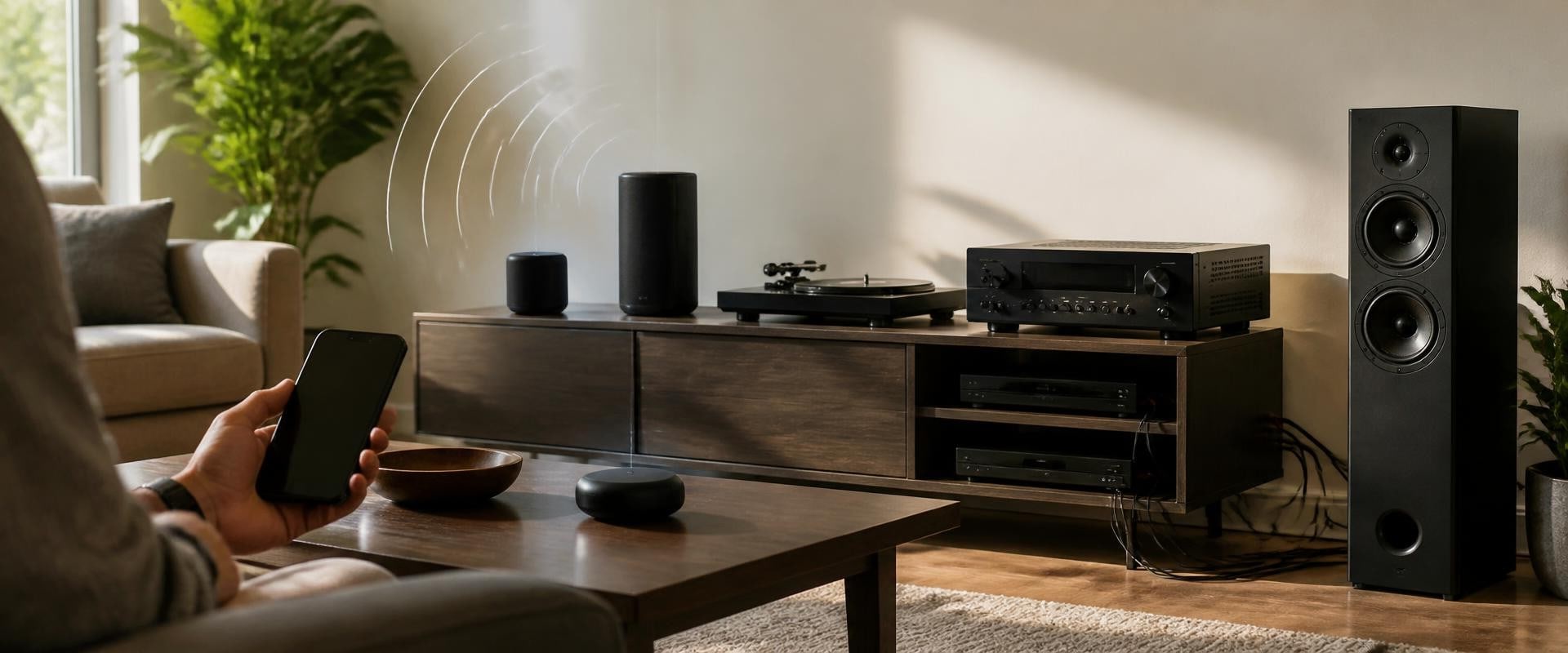
In the realm of home audio systems, the choice between wired and wireless options can significantly impact your listening experience. As technology evolves, so do the methods of delivering high-quality sound throughout your home. Understanding these differences is crucial for anyone considering a home audio installation, whether you're a casual listener or an audiophile seeking the ultimate sound experience. Wired audio systems have long been the traditional choice, offering reliable connections and superior sound quality without the risk of interference. They typically involve running cables from your audio source to speakers placed strategically around your home.
This setup can provide a more stable and powerful audio output, making it ideal for dedicated home theaters or music rooms. On the other hand, wired audio systems have their limitations, particularly in terms of installation complexity and aesthetic considerations. Enter wireless audio systems, which have surged in popularity due to their convenience and flexibility. With advancements in technology, wireless systems can now deliver impressive sound quality while eliminating the clutter of cables. This makes them an attractive option for modern homes where design and functionality go hand in hand. As we delve deeper into this comparison, it becomes clear that both wired and wireless systems have unique advantages and challenges.
By understanding these distinctions, you can make an informed decision that aligns with your lifestyle and audio preferences, ensuring a successful home audio installation.
What Are Wired Home Audio Systems?
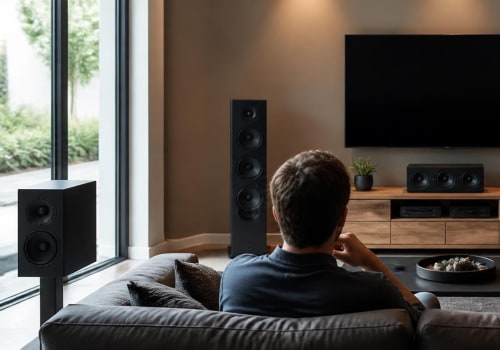
A wired home audio system consists of a network of components connected through physical cables, allowing for the transmission of audio signals from one device to another. These systems typically include a receiver, speakers, and various audio sources such as CD players, turntables, or streaming devices. The primary advantage of wired systems lies in their ability to deliver superior sound quality compared to their wireless counterparts.Components of Wired Home Audio Systems
- Receiver: Acts as the central hub, processing audio signals and distributing them to the speakers.
- Speakers: Convert electrical signals into sound; can be floor-standing, bookshelf, or in-wall models.
- Cables: High-quality speaker wires and interconnects are essential for optimal performance.
- Audio Sources: Devices that provide audio input, such as Blu-ray players, gaming consoles, or streaming devices.
- Sound Quality: Wired connections typically offer better fidelity and clarity, as they are less susceptible to interference and signal degradation.
- Reliability: With no reliance on Wi-Fi or Bluetooth signals, wired systems provide consistent performance without dropouts or lag.
- Customization: Wired systems allow for more extensive customization options in terms of speaker placement and system configuration.
- Longevity: Wired components tend to have a longer lifespan due to fewer electronic vulnerabilities compared to wireless systems.
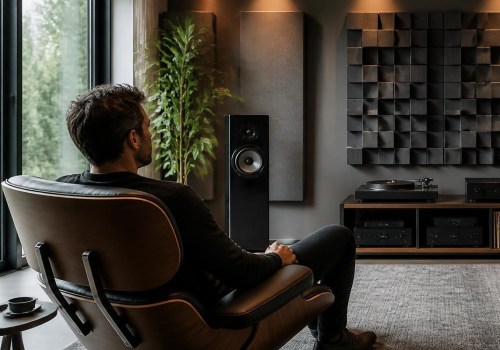
Proper installation not only enhances the aesthetic appeal but also maximizes sound performance.
What Are Wireless Home Audio Systems?
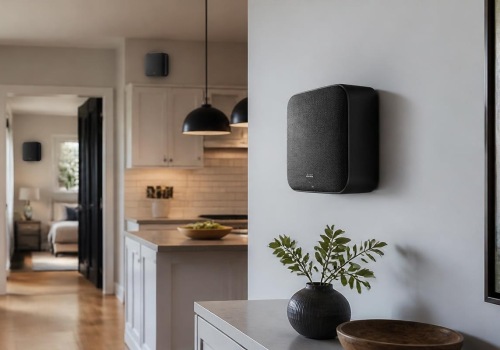
Wireless home audio systems have revolutionized the way we experience sound in our living spaces. Unlike traditional wired systems, which rely on physical connections between components, wireless audio systems utilize Wi-Fi, Bluetooth, or other wireless technologies to transmit audio signals. This innovation allows for a more streamlined and flexible setup, making it easier to enjoy high-quality sound without the clutter of cables.Components of Wireless Home Audio Systems
- Speakers: Wireless speakers are designed to receive audio signals without the need for wires. They can be placed anywhere within range of the transmitter, allowing for versatile placement options.
- Transmitters: These devices send audio signals from your source (like a smartphone or computer) to the speakers.
Many modern systems integrate transmitters directly into devices like smart TVs or streaming boxes.
- Streaming Services: Most wireless audio systems support popular streaming services, enabling users to access a vast library of music and podcasts directly through their speakers.
Benefits of Wireless Audio Systems
- Convenience: With no wires to manage, setting up a wireless audio system is often quicker and less complicated than its wired counterparts. Users can easily move speakers around to find the perfect sound without worrying about cable lengths.
- Flexibility: Wireless systems allow for multi-room setups where different areas can play different audio sources simultaneously. This feature is ideal for entertaining guests or enjoying music throughout the home.
- Integration: Many wireless audio systems can integrate with smart home technology, allowing users to control their audio experience through voice commands or mobile apps.
Key Differences Between Wired and Wireless Home Audio Systems
When considering home audio installation, understanding the key differences between wired and wireless audio systems is essential for making an informed decision.Each system has its unique advantages and drawbacks that can significantly impact your listening experience.
Sound Quality
One of the most significant differences lies in sound quality. Wired systems typically offer superior audio fidelity due to their direct connections, which minimize interference and signal degradation. This is particularly important for audiophiles who prioritize high-resolution sound. In contrast, while many modern wireless systems have made substantial advancements in sound quality, they can still be susceptible to issues like latency and compression, which may affect the overall listening experience.Installation Process
The installation process is another critical factor to consider.Wired systems often require more extensive setup, including running cables through walls or ceilings, which can be time-consuming and may necessitate professional help. This can lead to higher installation costs but results in a more permanent solution. On the other hand, wireless systems are generally easier to install. They typically involve minimal setup—often just plugging in speakers and connecting them to your home Wi-Fi network. This convenience makes them appealing for those who prefer a quick and hassle-free installation.
User Experience
User experience also varies between the two types of systems.Wired systems provide a stable connection with no risk of dropouts, making them ideal for dedicated listening environments. However, they can limit flexibility in speaker placement. Wireless systems offer greater flexibility, allowing users to place speakers anywhere within range of the Wi-Fi signal. This adaptability can enhance the overall enjoyment of your home audio installation, especially in larger spaces or when integrating with smart home technology. Ultimately, the choice between wired and wireless home audio systems will depend on your specific needs, preferences, and budget. Understanding these key differences will help you make a more informed decision that aligns with your audio goals.
Installation Considerations for Wired Home Audio Systems
When considering wired home audio installation, understanding the installation process is crucial for achieving optimal sound quality and system performance.Here are some essential tips and considerations to keep in mind:
Wiring Requirements for Audio Systems
Before diving into installation, it’s important to assess your wiring needs. Here are some key factors:- Speaker Wire Gauge: The gauge of the speaker wire can significantly affect sound quality. For runs longer than 50 feet, consider using 12 or 14-gauge wire to minimize resistance.
- Type of Cable: Use high-quality, oxygen-free copper cables for better conductivity and durability.
- Connections: Ensure that you have the right connectors for your speakers and receiver. Banana plugs or spade connectors can provide a more secure connection than bare wire.
Professional Installation vs DIY
Deciding between professional installation and a DIY approach depends on several factors:- Complexity of the System: If your setup involves multiple zones or intricate wiring, hiring a professional may save time and ensure proper configuration.
- Your Skill Level: If you’re comfortable with basic electrical work and have experience with audio systems, a DIY installation can be rewarding and cost-effective.
- Time Commitment: Consider how much time you can dedicate to the installation.
Professionals can often complete the job more quickly, allowing you to enjoy your system sooner.
Installation Considerations for Wireless Home Audio Systems
When considering wired versus wireless home audio installation, the setup for wireless systems presents unique advantages and challenges. Proper installation is crucial to ensure optimal performance and a seamless listening experience.Wireless Audio Installation Tips
- Choose the Right Location: Position your wireless speakers within range of your router or main audio source. Avoid placing them in areas with thick walls or metal objects that could interfere with the signal.
- Use Quality Equipment: Invest in high-quality wireless speakers and receivers that support the latest audio codecs for better sound quality and connectivity.
- Optimize Your Network: Ensure your Wi-Fi network is robust. Consider using a dual-band router to minimize interference and improve streaming quality.
- Follow Manufacturer Instructions: Each system may have specific setup requirements.
Always refer to the user manual for detailed installation steps.
Troubleshooting Wireless Audio Issues
Even with careful installation, you may encounter issues. Here are some common problems and solutions:- Audio Dropouts: If you experience interruptions, check your Wi-Fi signal strength. Moving the speaker closer to the router or using a Wi-Fi extender can help.
- Latency Issues: If there’s a delay between video and audio, try adjusting the audio delay settings in your device’s menu or using a wired connection for critical listening.
- Connection Problems: Ensure that all devices are updated with the latest firmware. Restarting your router and audio devices can also resolve connectivity issues.
Cost Comparison: Wired vs Wireless Home Audio Systems
When considering home audio installation, one of the most significant factors to evaluate is the cost associated with both wired and wireless systems.Understanding these costs can help you make an informed decision that aligns with your budget.
Cost of Wired Audio Systems
Wired audio systems typically involve higher initial costs due to the need for physical cables and installation labor. Here are some key points to consider:- Equipment Costs: The price of speakers, amplifiers, and receivers can vary widely, but high-quality wired components often come at a premium.
- Installation Fees: Professional installation is usually recommended for wired systems, which can add $100 to $500 or more to your total cost, depending on the complexity of the setup.
- Long-Term Value: While the upfront costs may be higher, wired systems often provide superior sound quality and durability, potentially saving you money on replacements in the long run.
Cost of Wireless Audio Systems
On the other hand, wireless audio systems tend to have lower initial costs but may incur additional expenses over time:- Equipment Costs: Wireless speakers and receivers are generally more affordable upfront, with many options available in various price ranges.
- No Installation Fees: Many wireless systems are designed for easy DIY installation, which can save you money on professional services.
- Ongoing Costs: However, keep in mind that wireless systems may require software updates or replacements sooner than wired systems, which could lead to additional expenses.
User Experience: Wired vs Wireless Audio Systems
When it comes to home audio installation, the user experience can vary significantly between wired and wireless audio systems.Understanding these differences can help consumers make informed decisions based on their preferences and lifestyle.
Ease of Use
Wireless audio systems are often praised for their ease of use. With minimal setup required, users can typically connect their devices via Bluetooth or Wi-Fi in just a few minutes. This convenience allows for quick access to music streaming services and easy control through smartphones or tablets. In contrast, wired systems may require more time and effort for installation, including running cables through walls or around furniture, which can be cumbersome.Maintenance and Reliability
While wireless systems offer flexibility, they can sometimes suffer from connectivity issues, especially in environments with many electronic devices.Users may experience interruptions or lag, which can detract from the overall listening experience. On the other hand, wired systems tend to provide a more stable connection with less interference, leading to consistent sound quality. However, they may require occasional maintenance, such as checking connections or replacing cables.
Overall Satisfaction
User satisfaction often hinges on personal preferences. Those who prioritize portability and convenience may lean towards wireless systems, enjoying the freedom to move speakers around without being tethered by wires.Conversely, audiophiles who value sound quality might prefer wired systems for their superior audio fidelity and reliability. Ultimately, the choice between wired and wireless home audio systems comes down to individual needs and lifestyle. Understanding these user experience factors can guide consumers in selecting the right system that aligns with their expectations for home audio installation.
FAQs About Home Audio Installation
When considering home audio installation, many homeowners have questions about the differences between wired and wireless systems. Here are some frequently asked questions that can help clarify these concepts.What are the main differences between wired and wireless home audio systems?
Wired systems typically offer superior sound quality and reliability, as they are less susceptible to interference. However, they require more extensive installation, including running cables through walls or ceilings.In contrast, wireless systems provide flexibility and ease of installation, allowing you to place speakers anywhere without the hassle of wires. The trade-off is that wireless systems may experience latency or connectivity issues.
Can I mix wired and wireless speakers in my home audio system?
Yes, many modern home audio installations allow for a combination of both wired and wireless speakers. This hybrid approach can maximize sound quality in key areas while providing flexibility in others. Just ensure that your audio receiver supports both types.What should I do if my wireless audio system is experiencing connectivity issues?
- Check your Wi-Fi signal: Ensure that your router is functioning properly and that the speakers are within range.
- Reduce interference: Move other electronic devices away from your speakers to minimize signal disruption.
- Update firmware: Make sure your audio system's software is up to date for optimal performance.
How can I improve the sound quality of my home audio system?
- Speaker placement: Position your speakers at ear level and away from walls for better acoustics.
- Avoid obstructions: Ensure that furniture or other objects do not block sound waves.
- Use quality cables: For wired systems, invest in high-quality cables to reduce signal loss.
Conclusion: Choosing the Right Home Audio System for You
In conclusion, choosing between wired and wireless home audio systems ultimately depends on your specific needs, preferences, and the unique characteristics of your living space.Both systems have their advantages and disadvantages that can significantly impact your overall listening experience.Wired systems are often favored for their reliability and superior sound quality. They are less susceptible to interference and can deliver a more consistent audio performance. If you prioritize high-fidelity sound and have the ability to manage cables effectively, a wired setup may be the best choice for you. On the other hand, wireless systems offer unparalleled convenience and flexibility. They allow for easy installation and can be controlled remotely via smartphones or tablets.
If you value portability and the ability to easily move speakers around your home, a wireless system might suit your lifestyle better. When making your decision, consider the following factors:
- Room Size: Larger spaces may benefit from wired systems to ensure sound reaches every corner without loss of quality.
- Installation Complexity: If you prefer a hassle-free setup, wireless systems are typically easier to install.
- Budget: Evaluate your budget as wired systems can sometimes require additional investment in cables and installation.
- Aesthetic Preferences: Consider how visible cables will affect your home decor; wireless options can provide a cleaner look.