Creative Solutions for Concealing Wires in Your Home Audio Installation
Discover creative solutions for concealing wires in your home audio installation to enhance aesthetics and functionality.

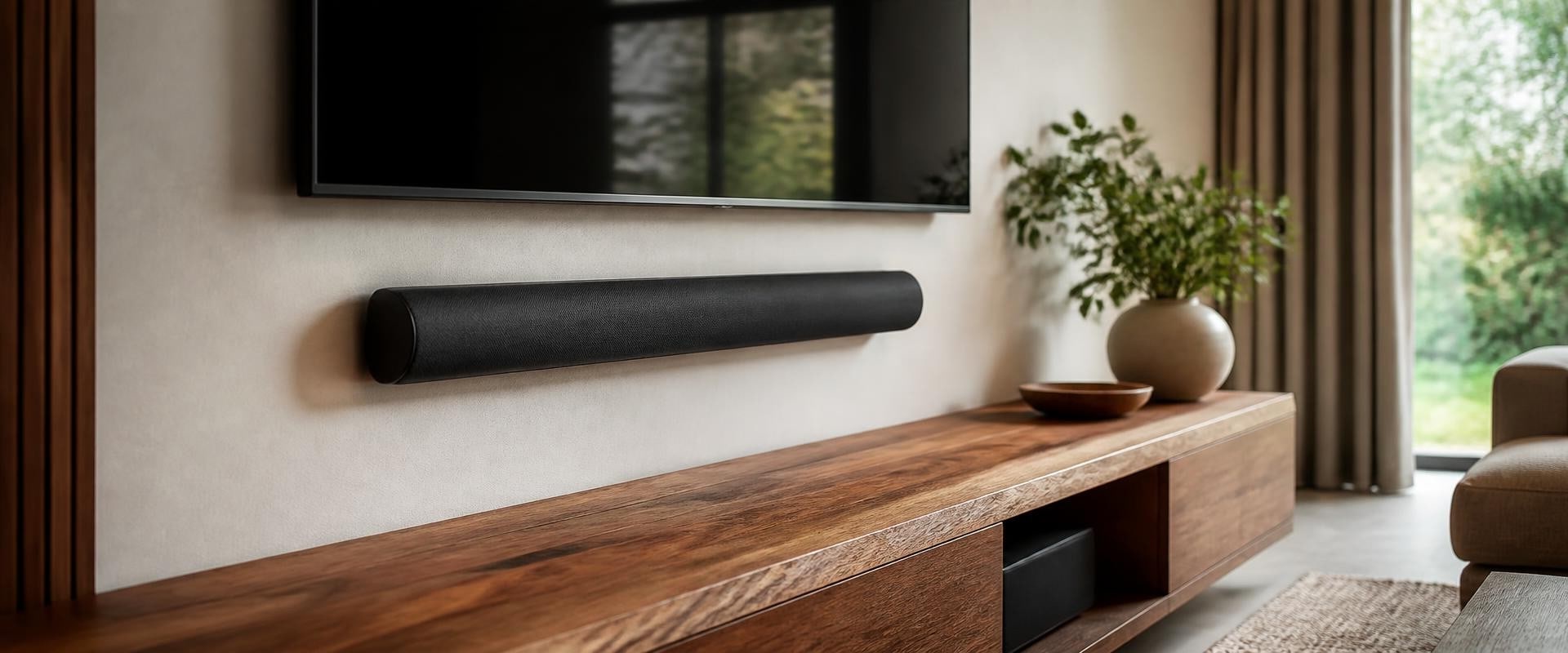
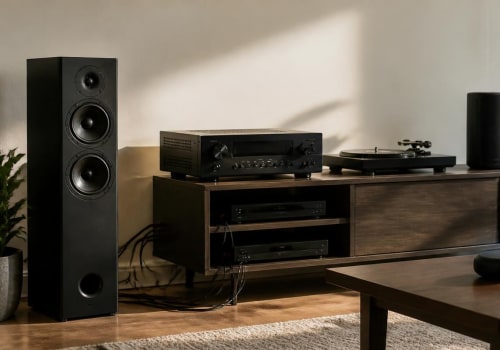
When setting up a home audio installation, the aesthetic appeal and functionality of your space can be significantly impacted by how you manage your wires. Proper wire management is not just about keeping cables out of sight; it plays a crucial role in enhancing the overall experience of your audio system. A cluttered environment filled with visible wires can detract from the enjoyment of your favorite music or movies, making it essential to consider how to conceal these elements effectively. Moreover, effective wire concealment can lead to improved safety and longevity of your equipment. Exposed wires are not only unsightly but can also pose tripping hazards or become damaged over time due to wear and tear.
By investing time in organizing and hiding your cables, you can protect your investment while creating a more inviting atmosphere in your home. In addition to aesthetics and safety, good wire management can enhance the performance of your home audio installation. Poorly managed cables can lead to interference, signal loss, and other technical issues that may compromise sound quality. By understanding the importance of wire management, you set the stage for a seamless audio experience that allows you to fully immerse yourself in the sound without distractions.
Assessing Your Home Audio Setup
To effectively conceal wires in your home audio installation, the first step is to conduct a thorough assessment of your current audio setup. This involves identifying all visible wires and understanding their routes throughout your space.1.Evaluate Your Equipment Layout
- Begin by mapping out the locations of your audio equipment, including speakers, receivers, and any additional components.
Take note of where each device is situated in relation to power outlets and each other.
- Consider the distance between devices; longer runs may require more extensive wiring, which can lead to increased visibility.
- Check for any existing cable management solutions you may have in place, such as cable ties or raceways, and assess their effectiveness.
2.Identify Wire Visibility
- Walk through your space and observe where wires are most visible. Common areas include along baseboards, behind furniture, or across open spaces.
- Take photographs of these areas for reference. This will help you visualize potential solutions later on.
- Pay attention to high-traffic areas where exposed wires could pose a safety hazard or detract from your home’s aesthetic.
3.Consider Future Needs
- While assessing your current setup, think about any future upgrades or changes you might want to make. Planning for additional equipment can help you avoid unnecessary rewiring later.
- If you anticipate adding more speakers or components, consider how this will affect wire placement and visibility.
This proactive approach not only enhances the visual appeal of your space but also contributes to a safer and more organized environment.
Creative Ways to Hide Wires: Techniques and Tools
When it comes to home audio installation, hiding wires can significantly enhance the aesthetic appeal of your space. Here are some creative techniques and tools to effectively conceal those unsightly cables.- Cable Management Systems: These systems are designed specifically for organizing and hiding wires. Options include:
- Cable Raceways: These are plastic or metal channels that can be mounted on walls to cover wires. They come in various colors and sizes, allowing you to match them with your decor.
- Wire Covers: Similar to raceways, wire covers can be painted to blend in with your walls, making them virtually invisible.
- Under-Carpet Wiring: If you have carpeted floors, consider running wires underneath the carpet.
This method keeps cables out of sight while maintaining a clean look.
- DIY Solutions: If you're looking for budget-friendly options, several DIY methods can help you hide wires effectively:
- Baseboard Channels: Cut a small groove in your baseboards to run wires through. This technique requires some carpentry skills but can yield excellent results.
- Furniture Arrangement: Strategically placing furniture can help conceal wires. For instance, placing a bookshelf or entertainment center against a wall can hide cables running from your audio equipment.
- Decorative Elements: Use decorative items like plants or artwork to cover exposed wires. A tall plant can effectively obscure cables running along the floor.
- Tools for Hiding Wires: Having the right tools can make the process easier:
- Cable Ties: These are essential for bundling multiple wires together, reducing clutter and making them easier to manage.
- Adhesive Clips: Use these clips to secure wires along walls or furniture edges, keeping them neatly in place.
- Screw-in Cable Holders: For a more permanent solution, screw-in holders can keep cables organized and out of sight.
Using Furniture and Decor to Conceal Wires
When it comes to home audio installation, the aesthetic appeal of your space can be significantly enhanced by cleverly using furniture and decor to conceal unsightly wires.Not only does this approach improve the visual aspect of your room, but it also contributes to a more organized and functional environment.
Furniture for Hiding Wires
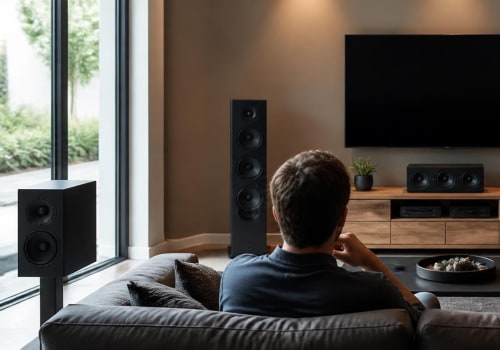
One of the most effective ways to hide wires is through strategic furniture placement. Consider the following options:- Entertainment Centers: These are designed to house audio and video equipment. Choose a unit with built-in cable management systems or back panels that allow you to route wires discreetly.
- Bookshelves: Use bookshelves to create a barrier between your audio equipment and the rest of the room. You can run wires behind the shelves, keeping them out of sight while still allowing easy access.
- Sofas and Chairs: Positioning furniture like sofas or chairs in front of outlets or wire runs can effectively hide cables.
Just ensure that this doesn’t obstruct airflow or create a tripping hazard.
Decor Ideas for Wire Concealment
In addition to furniture, decorative elements can play a crucial role in wire management:- Wall Art: Hang large pieces of art or decorative panels that can cover wires running along walls. This not only conceals the cables but also adds character to your space.
- Rugs and Carpets: Use area rugs to cover floor cables. Ensure they are thick enough to prevent tripping hazards while blending seamlessly with your decor.
- Cable Covers: Consider using decorative cable covers that match your wall color or decor style. These can be painted or stained to blend in, making them less noticeable.
This approach not only enhances the overall look of your space but also ensures that your audio setup remains functional and accessible.
Wall-Mounting Techniques for a Clean Look
When it comes to achieving a clean look in your home audio installation, wall-mounting your audio equipment is one of the most effective strategies. Not only does this method save space, but it also allows you to hide unsightly wires, creating a more streamlined appearance.Choosing the Right Wall-Mounting Equipment
- Mounting Brackets: Select sturdy brackets that can support the weight of your audio components. Ensure they are compatible with your specific devices.
- Wall Plates: Consider using wall plates that can accommodate multiple connections. This will help you manage cables more efficiently.
- Stud Finder: Use a stud finder to locate the best spots for mounting, ensuring that your equipment is securely attached to the wall.
Hiding Wires Inside Walls
To achieve a truly seamless look, running wires through the walls is an excellent option.
Here’s how to do it:
- Plan Your Layout: Before you start, sketch out where your audio equipment will be placed and where the wires will need to go.
- Drill Holes: Carefully drill holes in the wall where you want to run the cables. Make sure to avoid any electrical wiring or plumbing.
- Use Cable Management Systems: Employ cable management systems designed for in-wall installations. These systems often include conduits or raceways that protect and organize your wires.
- Seal and Finish: Once the wires are in place, seal any holes with appropriate materials and finish the wall as needed for a polished look.
Cable Raceways and Covers: A Practical Solution
When it comes to achieving a clean and organized look in your home audio installation, utilizing cable raceways and wire covers can be a game changer.These practical solutions not only help in concealing unsightly wires but also protect them from damage, ensuring your audio setup remains functional and aesthetically pleasing.
Cable raceways
are channels that can be mounted on walls or floors to hide cables. They come in various sizes, colors, and materials, allowing you to choose options that best match your home decor. Here are some benefits of using cable raceways:- Easy Installation: Most cable raceways come with adhesive backing or mounting hardware, making them simple to install without the need for professional help.
- Versatile Design: Available in different styles, they can blend seamlessly with your interior design, whether you prefer a modern or traditional look.
- Protection: By enclosing wires, raceways protect them from wear and tear, pets, and accidental pulls.
Here’s why wire covers are a smart choice:
- Minimalist Look: Wire covers provide a sleek finish that enhances the overall aesthetic of your audio setup.
- Customizable Length: Many wire covers can be cut to fit specific lengths, allowing for a tailored solution that meets your needs.
- Cost-Effective: Compared to other methods of hiding wires, wire covers are often more affordable and accessible for DIY enthusiasts.
DIY Projects for Wire Concealment
When it comes to home audio installation, hiding wires can enhance the aesthetic appeal of your space while maintaining functionality. Here are some creative DIY projects that can help you achieve a clean and organized look.- Baseboard Raceways: Consider using baseboard raceways to conceal wires along the floor. These can be painted to match your existing baseboards, making them virtually invisible.
- Wall-Mounted Shelves: Install wall-mounted shelves to hold your audio equipment.
You can run wires behind the shelves, keeping them out of sight while providing easy access to your devices.
- Fabric Cable Covers: Use fabric or decorative cable covers that blend with your home decor. These can be easily made from fabric remnants and can add a touch of style while hiding unsightly wires.
- Picture Frames: Create a faux picture frame around your audio equipment. This not only hides the wires but also adds an artistic element to your room.
- Under-Carpet Solutions: If you have carpeted floors, consider running wires underneath the carpet. This method keeps them completely hidden and prevents tripping hazards.
- PVC Pipe Concealers: Cut PVC pipes to size and paint them to match your walls.
These can be mounted vertically or horizontally to hide multiple cables.
- Cord Management Boxes: Repurpose wooden boxes or crates as cord management solutions. Drill holes for cables and place your power strips inside, keeping everything tidy.
- Decorative Baskets: Use decorative baskets or bins to corral loose cables. This not only hides the wires but also adds a decorative touch to your space.
Common Mistakes to Avoid When Hiding Wires
When it comes to home audio installation, hiding wires can significantly enhance the aesthetic appeal of your space. However, there are several common mistakes that can undermine your efforts.Here are some pitfalls to avoid:
- Neglecting Planning: One of the biggest mistakes is failing to plan your wire concealment strategy before starting the installation. Take the time to map out where your wires will run and how they will be hidden. This foresight can save you from costly adjustments later.
- Using Inappropriate Materials: Not all materials are suitable for wire concealment. Avoid using duct tape or non-adhesive solutions that may not hold up over time.
Instead, opt for cable management solutions like raceways or conduits that are designed for this purpose.
- Ignoring Accessibility: While it’s important to hide wires, you should also consider accessibility for future maintenance or upgrades. Hiding wires too well can make it difficult to access them later, leading to frustration when troubleshooting.
- Overlooking Safety Standards: Always adhere to local electrical codes and safety standards when hiding wires. For instance, running electrical cables through walls without proper insulation can pose a fire hazard.
- Underestimating Length Requirements: Ensure that your wires are long enough to reach their intended devices without tension. Short wires can lead to damage and connectivity issues.
FAQs About Hiding Wires in Home Audio Installations
When it comes to hiding wires in your home audio installation, several common questions arise.Here are some frequently asked questions that can help clarify the process:
What are the best methods for hiding audio wires?
There are several effective methods for concealing wires:- In-wall wiring: This involves running wires through the walls, which provides a clean look but may require professional installation.
- Cable raceways: These are surface-mounted channels that can be painted to match your walls, making them a great option for renters.
- Baseboard or crown molding: Hiding wires behind these architectural features can blend them seamlessly into your home’s design.
- Furniture placement: Strategically placing furniture can help cover visible wires without any permanent changes.
Is it safe to run audio wires through walls?
Yes, it is generally safe to run audio wires through walls, provided you use cables rated for in-wall installation. These cables are designed to meet safety standards and reduce fire hazards. Always check local building codes and consider consulting a professional if you're unsure.How can I prevent my pets from chewing on exposed wires?
Pets can be curious and may chew on exposed wires. To prevent this:- Use wire covers: Protective tubing or cord covers can shield wires from pets.
- Training: Teach your pets not to chew on cords by using deterrent sprays or providing them with appropriate chew toys.
- Concealment: Hiding wires behind furniture or using cable management solutions can also keep them out of reach.
Conclusion: Achieving a Seamless Home Audio Experience
In conclusion, achieving a seamless home audio installation goes beyond just selecting the right equipment; it heavily relies on effective wire management.Throughout this article, we have explored various strategies to hide and organize wires, ensuring that your audio setup not only sounds great but also looks aesthetically pleasing. By implementing techniques such as:
- Using cable raceways to conceal wires along walls and baseboards,
- Employing in-wall wiring for a clean and professional finish,
- Utilizing furniture and decor to strategically hide cables,
- Opting for wireless solutions where feasible to minimize clutter,
- Labeling cables for easy identification and maintenance.