Understanding the Differences Between Stereo and Surround Sound for Home Audio Installation
Discover the key differences between stereo and surround sound for your home audio installation. Enhance your listening experience today!

In the realm of home audio installation, understanding the nuances between stereo sound and surround sound is crucial for creating an immersive listening experience. As technology has evolved, so too have the options available for audio systems, making it essential for homeowners to grasp these differences before investing in their setups. Whether you're a casual listener or an audiophile, knowing how these sound formats work can significantly enhance your enjoyment of music, movies, and gaming. Stereo sound, often considered the traditional format, utilizes two channels to create a sense of space and depth. This setup is ideal for music lovers who appreciate the clarity and separation of instruments.
On the other hand, surround sound takes this experience a step further by incorporating multiple audio channels—typically five or more—to envelop the listener in a three-dimensional soundscape. This is particularly beneficial for home theater enthusiasts who want to replicate the cinematic experience right in their living rooms. As you delve deeper into the world of audio systems, it's important to consider how each format aligns with your specific needs and preferences. A well-planned home audio installation can transform your space into a personal concert hall or a thrilling movie theater. By understanding the fundamental differences between stereo and surround sound, you can make informed decisions that will elevate your audio experience to new heights.
What is Stereo Sound?
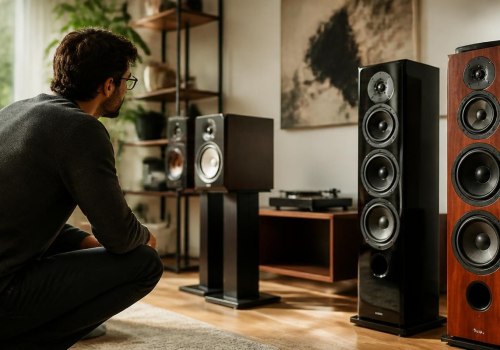
Stereo sound refers to a method of audio reproduction that creates an illusion of multi-directional audible perspective.This is achieved by using two or more audio channels, typically left and right, to simulate a natural listening experience. In a stereo audio setup, sound is delivered through two speakers positioned at specific angles to create depth and spatial awareness. The fundamental principle behind stereo sound lies in the way humans perceive sound. Our ears are spaced apart, allowing us to detect the direction from which sounds originate. By mimicking this natural hearing process, stereo systems can produce a more immersive experience compared to mono sound, which uses a single channel.
Characteristics of Stereo Sound
- Two-channel audio: Stereo systems typically consist of two channels—left and right—allowing for distinct audio signals to be sent to each speaker.
- Spatial imaging: The separation of channels creates a sense of space, making it possible for listeners to identify the location of different sounds within the audio field.
- Enhanced clarity: Stereo sound often provides clearer audio quality, as it can distribute frequencies more effectively across multiple channels.
Whether it's for listening to music, watching movies, or playing video games, a stereo setup enhances the overall experience by providing richer and more detailed sound. Many modern devices, including televisions, computers, and smartphones, support stereo output, making it accessible for everyday use. In conclusion, understanding what stereo sound is and how it functions is essential for anyone looking to optimize their home audio installation. By leveraging the principles of stereo sound, users can enjoy a more engaging auditory experience that closely resembles live performances or cinematic presentations.
What is Surround Sound?
Surround sound is an audio technology designed to create an immersive listening experience by utilizing multiple audio channels. Unlike traditional stereo sound, which typically uses two channels (left and right), surround sound systems can incorporate five or more channels, allowing sound to come from various directions.This multi-channel setup enhances the realism of audio playback, making it particularly popular in home audio installations for movies, music, and gaming. The core concept of surround sound is to replicate how we naturally perceive sound in our environment. By placing speakers around the listener—often in a configuration that includes front, rear, and sometimes overhead speakers—surround sound systems can create a three-dimensional audio space. This setup allows sounds to move around the listener, providing a more engaging experience.
Key Features of Surround Sound
- Multi-Channel Audio: Surround sound systems typically feature configurations like 5.1 or 7.1 channels, where the first number indicates the number of main speakers and the second number represents a subwoofer.
- Directional Sound: Sounds can be precisely placed in the audio field, enhancing the storytelling aspect of films and games.
- Enhanced Bass: The inclusion of a dedicated subwoofer allows for deeper bass sounds that add to the overall impact of the audio experience.
Additionally, gaming setups benefit significantly from surround sound as it allows players to hear directional cues that enhance gameplay. Overall, investing in a surround audio setup can transform your home entertainment experience into something truly spectacular.
Key Differences Between Stereo and Surround Sound
When it comes to home audio installation, understanding the differences between stereo and surround sound is essential for achieving the best listening experience. Both systems have unique characteristics that cater to different preferences and environments.Audio Quality
Stereo sound typically utilizes two channels, left and right, to create a sense of depth and directionality in audio playback. This configuration is ideal for music listening, as it allows for a more intimate and immersive experience.In contrast, surround sound employs multiple channels—usually five or more—to envelop the listener in sound from all directions. This multi-channel setup is particularly effective for movies and gaming, where sound effects can come from various angles, enhancing realism.
Speaker Configuration
- Stereo: Requires at least two speakers positioned strategically to create a balanced soundstage.
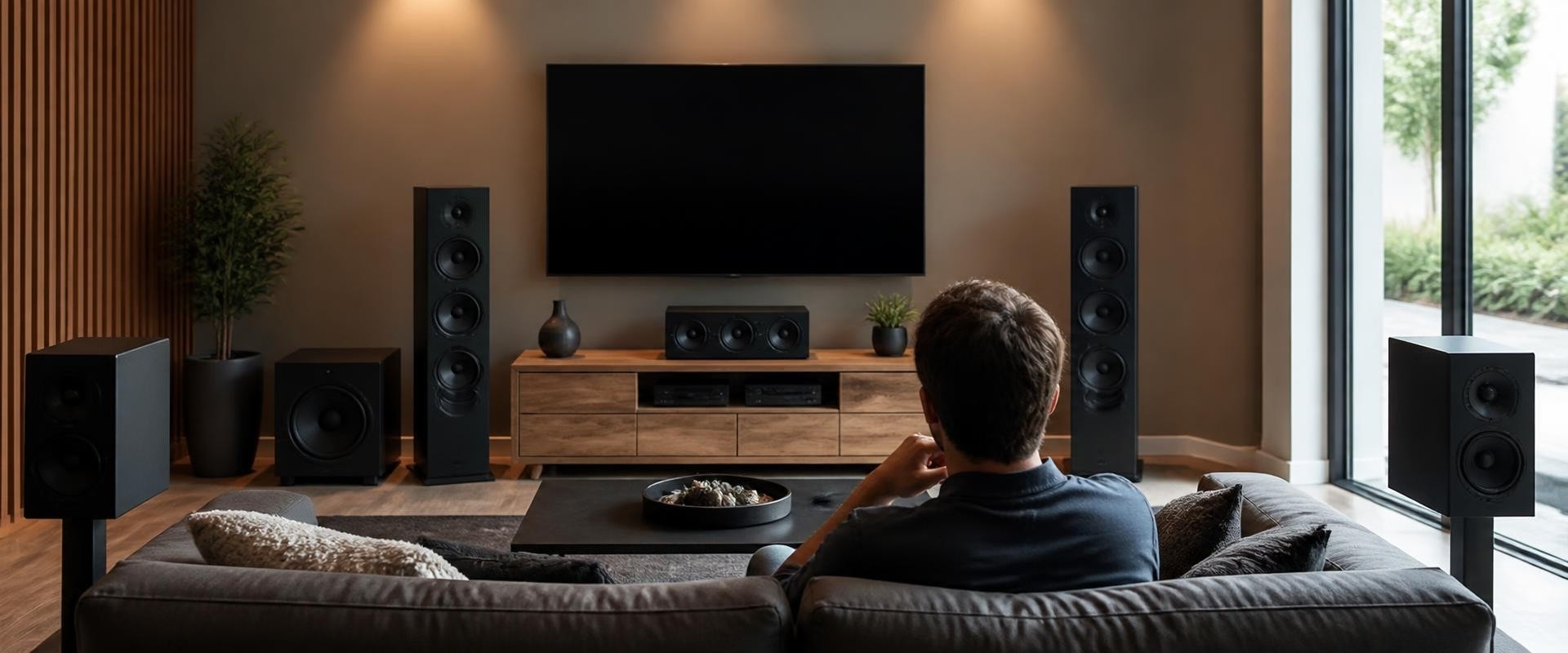
- Surround Sound: Typically involves a minimum of five speakers (front left, front right, center, rear left, rear right) plus a subwoofer for bass, creating a more complex audio environment.
User Experience
The choice between stereo and surround sound often comes down to personal preference and intended use. For those who primarily enjoy music, stereo systems may suffice due to their simplicity and effectiveness in delivering high-quality audio. However, for movie enthusiasts or gamers seeking an immersive experience, surround sound systems provide a more dynamic auditory landscape. Ultimately, the decision should align with your specific needs and the type of content you consume most frequently.Understanding these key differences will help you make an informed choice during your home audio installation.
Choosing the Right System for Your Home Audio Installation
When it comes to home audio installation, choosing between a stereo and a surround sound system can significantly impact your listening experience. Here are some key factors to consider:- Room Size: The size of your room plays a crucial role in determining the best audio system for your home. For smaller spaces, a stereo system may suffice, providing clear and rich sound without overwhelming the area. In contrast, larger rooms can benefit from a surround sound setup, which envelops the listener in audio from multiple directions.
- Budget: Your budget will also influence your decision.
Stereo systems are generally more affordable and easier to install, making them an excellent choice for those on a tighter budget. Surround sound systems, while offering a more immersive experience, often require additional speakers and equipment, which can increase costs.
- Intended Use: Consider how you plan to use your audio system. If you primarily listen to music, a high-quality stereo system may be ideal, as it excels in delivering clear vocals and instrumentals. However, if you enjoy watching movies or playing video games, a surround sound system can enhance the experience with its ability to create a three-dimensional soundstage.
Take the time to evaluate your space, budget, and how you intend to use the system to make an informed decision that will elevate your audio experience.
Installation Tips for Stereo and Surround Sound Systems
When it comes to home audio installation, understanding the nuances of both stereo and surround sound systems is crucial for achieving optimal audio performance. Here are some practical tips to guide you through the installation process.Speaker Placement
- Stereo Systems: For a stereo setup, place the left and right speakers at ear level, ideally forming an equilateral triangle with your listening position. This arrangement enhances the stereo image and provides a balanced sound.
- Surround Sound Systems: In a surround sound configuration, the front speakers should be positioned at ear level, while the rear speakers can be slightly above ear level, ideally 2-3 feet higher. The subwoofer can be placed anywhere in the room, but corner placement often enhances bass response.
Wiring Considerations
Proper wiring is essential for both systems:- Use quality speaker wire: Ensure that you use appropriate gauge wire for your system's power requirements.
Thicker wire (lower gauge number) is better for longer runs.
- Avoid interference: Keep speaker wires away from power cables to minimize interference. If possible, run them through walls or use cable conduits for a cleaner look.
Setup Best Practices
After placement and wiring, follow these best practices:- Calibration: Use an audio calibration tool or software to adjust speaker levels and distances. This ensures that sound reaches your ears simultaneously from all speakers.
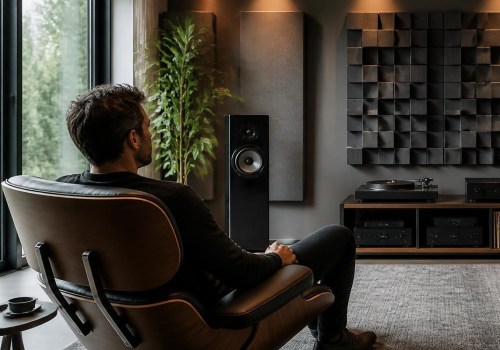
- Room Acoustics: Consider adding acoustic panels or rugs to improve sound quality by reducing echo and enhancing clarity.
- Test Different Configurations: Don’t hesitate to experiment with speaker placements and settings. Sometimes minor adjustments can lead to significant improvements in sound quality.
Common FAQs About Stereo and Surround Sound
When considering home audio installation, many people have questions about the differences between stereo and surround sound systems.Here are some common FAQs that can help clarify these concepts:
- What is the main difference between stereo and surround sound?
Stereo sound typically uses two channels (left and right) to create a sense of space and directionality in audio playback. In contrast, surround sound employs multiple channels (often five or more) to envelop the listener in sound from various directions, enhancing the immersive experience. - Is stereo sound sufficient for movies?
While stereo sound can provide a decent audio experience for movies, it lacks the depth and spatial awareness that surround sound offers. For a more cinematic experience, especially in action films or those with intricate sound design, a surround sound system is recommended. - Can I upgrade my stereo system to surround sound?
Yes, upgrading from a stereo system to a surround sound setup is possible. This typically involves adding additional speakers, a compatible receiver, and possibly a subwoofer to enhance bass response. - What are the benefits of surround sound in home theaters?
Surround sound systems provide a more immersive experience by allowing sounds to come from multiple directions.This can make watching movies or playing video games feel more realistic and engaging.
- Do I need special equipment for surround sound?
Yes, setting up a surround sound system requires specific equipment such as a multi-channel receiver, additional speakers, and sometimes specialized wiring. It's essential to ensure compatibility among all components during your home audio installation.
Conclusion: Making an Informed Choice for Your Home Audio Experience
In conclusion, understanding the differences between stereo and surround sound is crucial for anyone considering a home audio installation. Each audio format offers distinct advantages that cater to different listening preferences and environments.Stereo sound
provides a straightforward audio experience, ideal for music lovers who appreciate clarity and depth in two-channel sound.
It excels in delivering a rich auditory experience for music, making it a popular choice for those who prioritize high-fidelity sound reproduction. On the other hand, surround sound immerses listeners in a multi-dimensional audio landscape, perfect for movie enthusiasts and gamers seeking an engaging experience. With multiple speakers positioned around the room, surround sound creates a sense of space and realism that stereo cannot match. When planning your home audio installation, consider the following:
- Your primary use case: Will you be using your system mainly for music, movies, or gaming?
- Your room size: Larger rooms may benefit more from surround sound setups, while smaller spaces might be well-served by stereo systems.
- Your budget: Surround sound systems can be more expensive due to additional equipment and installation complexity.