Choosing the Right Audio Cables for Your Home Audio Installation
Discover the best audio cables for your home audio installation. Learn about RCA, XLR, HDMI, and more to enhance your sound experience.

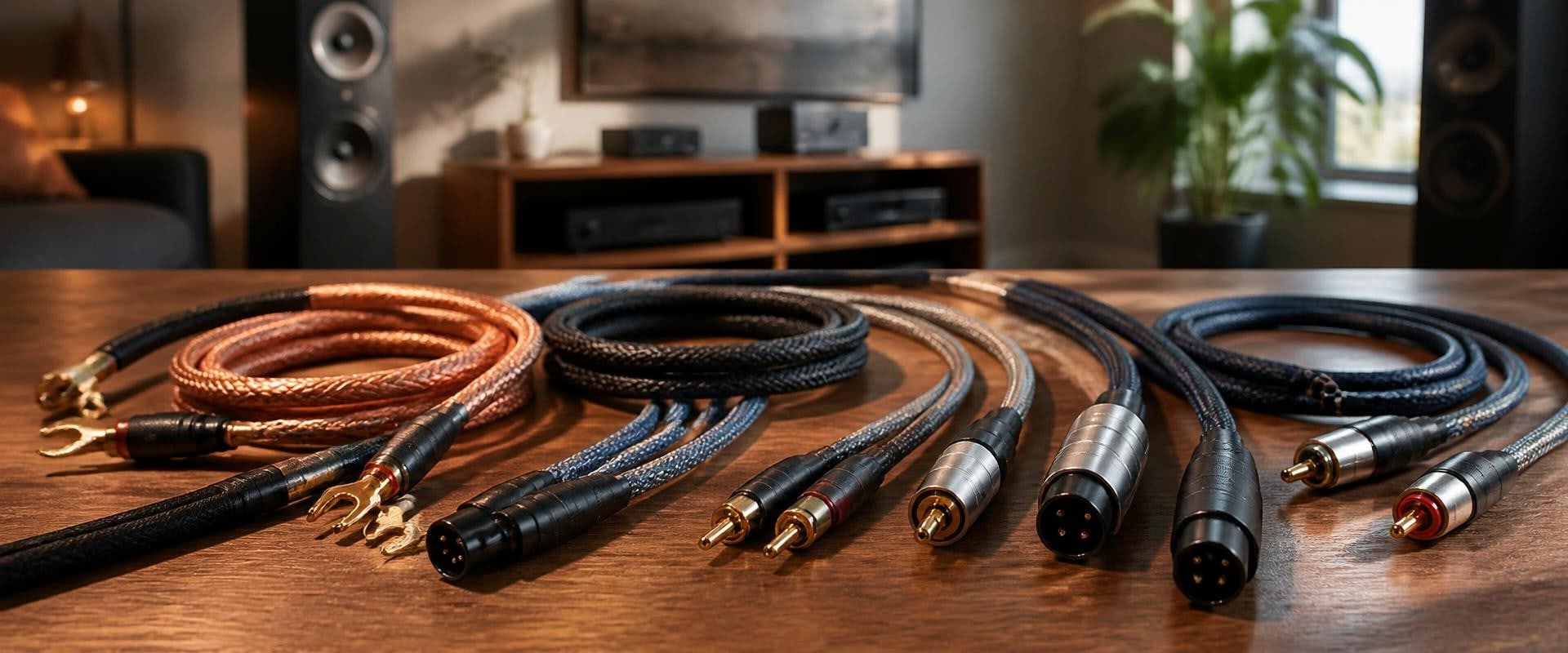
When it comes to creating an immersive listening experience in your home, understanding home audio installations is essential. These setups are not just about placing speakers in a room; they involve a careful selection of components that work harmoniously to deliver high-quality sound. From the source of your audio to the speakers themselves, every element plays a pivotal role in achieving the desired audio performance. One of the most critical aspects often overlooked is the choice of audio cables, which can significantly impact the overall sound quality. A well-designed audio setup can transform your living space into a personal concert hall or a cinematic paradise.
However, without the right cables, even the most sophisticated systems can fall short of their potential. Different types of cables serve various purposes, whether it's transmitting digital signals or connecting analog devices. Understanding these differences is crucial for anyone looking to optimize their audio system.Moreover, investing time in learning about audio system basics can save you from common pitfalls that many enthusiasts encounter. For instance, using low-quality cables can introduce noise and distortion, undermining the clarity and richness of your audio experience.
By prioritizing quality connections and understanding how each component interacts within your setup, you can ensure that your home audio installation delivers the best possible sound.
Types of Audio Cables for Home Installations
When setting up a home audio installation, choosing the right type of audio cable is crucial for achieving optimal sound quality. Here are some of the most common types of audio cables you might consider:- RCA Cables: These are typically used for connecting components like CD players, turntables, and amplifiers. RCA cables come in pairs (red and white) for stereo sound and are known for their ease of use and affordability.
- XLR Cables: Often used in professional audio settings, XLR cables provide a balanced connection that minimizes noise and interference. They are ideal for connecting microphones to mixers or audio interfaces in a home studio setup.
- Optical Cables: Also known as TOSLINK cables, these use light to transmit audio signals, making them immune to electromagnetic interference.
Optical cables are commonly used to connect TVs to soundbars or home theater systems.
- HDMI Cables: HDMI cables carry both high-definition video and audio signals, making them perfect for modern home theater setups. They support advanced audio formats like Dolby Atmos, ensuring a rich listening experience.
- Speaker Wire: This type of cable is essential for connecting speakers to an amplifier or receiver. Available in various gauges, thicker wires (lower gauge numbers) are better for longer runs to minimize resistance and signal loss.
RCA Cables: The Classic Choice
RCA cables
have been a staple in home audio installations since their introduction in the 1940s.
Originally designed for connecting phonographs to amplifiers, these cables have evolved to become a versatile choice for various audio applications. Typically characterized by their distinctive red and white connectors, RCA cables are primarily used for transmitting analog audio signals. They are commonly found in setups involving stereos, TVs, and DVD players. Their simplicity and effectiveness make them a popular choice for both casual listeners and audiophiles alike.
Applications of RCA Cables
- Connecting Audio Components: RCA cables are ideal for linking devices such as CD players, turntables, and receivers.
- Home Theater Systems: They can be used to connect various components in a home theater setup, ensuring high-quality sound transmission.
- Subwoofer Connections: Many subwoofers utilize RCA connections for low-frequency audio signals, enhancing the overall sound experience.
- Sound Quality: While RCA cables provide good sound quality for analog signals, XLR cables offer superior performance with balanced audio, reducing noise and interference.
- Ease of Use: RCA cables are straightforward to connect and disconnect, making them user-friendly for home audio installations.
- Cost: Generally, RCA cables are more affordable than their digital counterparts, making them an economical choice for budget-conscious consumers.
Ultimately, the choice of cable will depend on your specific needs and the components of your home audio system.
XLR Cables: Professional Quality for Home Use
XLR cables
are widely recognized in the audio industry for their professional-grade quality, making them an excellent choice for home audio installations. These cables are designed to carry balanced audio signals, which significantly reduces noise and interference, ensuring that the sound quality remains pristine. This is particularly beneficial in environments where multiple electronic devices are in close proximity. One of the primary benefits of using XLR cables is their ability to maintain signal integrity over long distances. Unlike unbalanced cables, such as RCA, XLR cables can effectively transmit audio signals without degradation, making them ideal for setups that require longer runs between equipment.
Benefits of XLR Cables
- Balanced Signal Transmission: XLR cables utilize a three-pin design that helps cancel out noise and interference.
- Durability: Built to withstand professional use, XLR connectors are robust and reliable.
- Versatility: Suitable for microphones, mixers, and various audio equipment, making them a flexible choice for home studios.
RCA cables are typically used for consumer electronics and are sufficient for short distances. However, they are more susceptible to noise and interference due to their unbalanced nature. In contrast, XLR cables shine in professional settings where sound quality is paramount. In summary, while RCA cables may be adequate for basic setups, investing in XLR cables can elevate your home audio experience by providing superior sound quality and reliability. For audiophiles or anyone serious about their sound system, XLR cables are undoubtedly the better choice.
Optical Cables: Digital Sound Transmission
When it comes to home audio installation, optical cables play a crucial role in delivering high-quality digital sound.These cables utilize light to transmit audio signals, which allows for a cleaner and more efficient transfer compared to traditional analog cables.
Advantages of Optical Cables
- Reduced Interference: Since optical cables transmit data as light rather than electrical signals, they are less susceptible to electromagnetic interference. This results in clearer sound quality, especially in environments with multiple electronic devices.
- High Fidelity Sound: Optical cables support high-resolution audio formats, making them ideal for audiophiles who demand the best sound quality from their systems.
- Long Distance Transmission: These cables can effectively transmit audio signals over longer distances without significant loss of quality, making them suitable for larger home setups.
- Simplified Connections: Optical cables often feature a straightforward plug-and-play design, which simplifies the installation process and reduces the likelihood of connection errors.
Ideal Scenarios for Optical Cables
Optical cables are particularly effective in setups where high-quality sound is paramount. For instance, if you are connecting a modern television to a surround sound system or a high-end audio receiver, using an optical cable can ensure that you are getting the best possible audio experience. Additionally, they are perfect for connecting devices like Blu-ray players and gaming consoles that output digital audio signals. In summary, when considering options for your home audio installation, optical cables stand out due to their ability to deliver superior sound quality while minimizing interference.
Their advantages make them a preferred choice for anyone looking to enhance their audio experience at home.
HDMI Cables: The All-in-One Solution
When it comes to home audio installation, HDMI cables stand out as a versatile option that simplifies the connection of various devices. Unlike traditional audio cables, HDMI (High-Definition Multimedia Interface) can transmit both high-definition video and multi-channel audio through a single cable, making it an ideal choice for modern home theater setups.Advantages of HDMI Cables:
- Single Cable Solution: With HDMI, you eliminate the clutter of multiple cables. This not only simplifies installation but also enhances the aesthetic appeal of your setup.
- High-Quality Audio: HDMI supports advanced audio formats such as Dolby TrueHD and DTS-HD Master Audio, ensuring that you experience high-fidelity sound that matches the quality of your video.
- ARC and eARC Support: Many HDMI cables support Audio Return Channel (ARC) and Enhanced Audio Return Channel (eARC), allowing audio to be sent back from your TV to your sound system without needing additional cables.
In contrast, HDMI can handle uncompressed multi-channel audio, providing a richer listening experience. Additionally, HDMI supports video signals, making it a more comprehensive solution for home installations. In conclusion, for anyone looking to set up a home audio installation, investing in quality HDMI cables is a smart choice. They not only streamline your connections but also enhance both audio and video performance, making them the all-in-one solution for modern home entertainment systems.
Speaker Wire: Connecting Your Speakers Effectively
When it comes to home audio installation, selecting the right speaker wire is crucial for achieving optimal sound quality. The type of wire you choose can significantly impact the performance of your audio system, so understanding the different options available is essential.Types of Speaker Wire
- Stranded Wire: This type consists of multiple thin strands of copper wire twisted together.
It is flexible and easier to work with, making it a popular choice for home installations.
- Solid Wire: Made from a single solid conductor, this wire is less flexible but can provide better conductivity over long distances. It’s often used in permanent installations.
- OFC (Oxygen-Free Copper): OFC wire is made from copper that has been refined to remove oxygen, which helps reduce oxidation and improve conductivity. This type is ideal for high-end audio systems.
Speaker Wire Gauge
The gauge of the speaker wire is another critical factor to consider. The lower the gauge number, the thicker the wire.Thicker wires can carry more current and are generally better for longer runs. Here are some common gauges:
- 16 Gauge: Suitable for runs up to 50 feet, this gauge is often recommended for most home audio setups.
- 14 Gauge: Ideal for longer distances (up to 100 feet) or higher power systems, providing less resistance and better sound quality.
- 12 Gauge: Best for very long runs or high-powered systems, ensuring minimal signal loss.
Choosing the Right Cable Length and Quality
When it comes to home audio installation, selecting the right cable length and quality is crucial for achieving optimal sound performance.The length of your audio cables can significantly impact the overall sound quality, so it’s essential to choose wisely.
Determining the Right Cable Length
One of the first considerations is the distance between your audio components. Here are some guidelines to help you determine the appropriate cable length:- Measure Accurately: Use a measuring tape to determine the distance between your audio source and speakers. Always add a little extra length to accommodate any bends or turns.
- Avoid Excess Length: While it may be tempting to buy longer cables for flexibility, excess length can lead to signal degradation and interference.
- Standard Lengths: Common lengths for audio cables range from 3 feet to 25 feet. Choose a length that fits your setup without unnecessary slack.
Understanding Cable Quality Factors
The quality of your audio cables can greatly influence sound clarity and fidelity.Here are key factors to consider:
- Material: Look for cables made from high-quality materials such as oxygen-free copper, which minimizes resistance and enhances signal transmission.
- Shielding: Good shielding protects against electromagnetic interference (EMI) and radio frequency interference (RFI), ensuring a cleaner sound.
- Connector Quality: Invest in cables with durable connectors that provide a secure fit. Poor connectors can lead to signal loss and distortion.
Best Practices for Audio Cables
To maximize the performance of your home audio installation, follow these best practices:- Test Before Finalizing: Always test your setup with different cable lengths and types to find what works best for your environment.
- Avoid Daisy-Chaining: Connecting multiple cables together can introduce noise and degrade sound quality. Use a single, appropriately sized cable whenever possible.
- Regular Maintenance: Periodically check your cables for wear and tear, as damaged cables can negatively impact audio performance.
Common FAQs About Audio Cables in Home Installations
When it comes to home audio installation, many homeowners have questions about the various types of audio cables available and how to troubleshoot common issues. Here are some frequently asked questions that can help clarify these topics.What types of audio cables are commonly used in home audio installations?
- RCA Cables: Often used for connecting components like CD players and amplifiers, RCA cables are essential for transmitting stereo audio signals.
- Speaker Wire: This type of cable is crucial for connecting speakers to an amplifier or receiver, ensuring optimal sound quality.
- Optical Cables: Ideal for digital audio connections, optical cables transmit sound using light, providing a high-quality signal without interference.
- HDMI Cables: While primarily known for video, HDMI cables also carry high-definition audio, making them perfect for modern home theater systems.
How do I know if my audio cables are faulty?
If you experience issues such as distorted sound or complete silence, it may indicate a problem with your audio cables.Here are some troubleshooting tips:
- Check Connections: Ensure all cables are securely connected to their respective ports.
- Inspect for Damage: Look for any visible signs of wear or damage on the cables themselves.
- Test with Different Equipment: Swap out the suspected faulty cable with a known working one to see if the issue persists.
Can I mix different types of audio cables?
While it is possible to mix different types of audio cables, it’s essential to ensure compatibility. For instance, using an adapter can allow you to connect RCA outputs to a 3.5mm input. However, mixing cables can sometimes lead to signal degradation or interference, so it's best to use the same type whenever possible. Understanding these common questions about audio cables can significantly enhance your home audio installation, ensuring you achieve the best sound quality possible.Conclusion: Making Informed Choices for Your Home Audio Setup
In conclusion, selecting the right audio cables is crucial for optimizing your home audio installation. The quality of sound you experience is significantly influenced by the type of cables you use, making informed choices essential for achieving the best audio performance. Throughout this article, we explored various types of audio cables, including HDMI, optical, RCA, and speaker wires.Each type serves a unique purpose and offers distinct advantages:
- HDMI cables: Ideal for transmitting high-definition audio and video signals, making them perfect for modern home theater setups.
- Optical cables: Excellent for digital audio transmission, providing a clean signal free from electromagnetic interference.
- RCA cables: A traditional choice for analog connections, suitable for older equipment and simple setups.
- Speaker wires: Essential for connecting speakers to amplifiers, with gauge size playing a critical role in sound quality.
- Compatibility: Ensure that the cables you choose are compatible with your audio equipment.
- Cable length: Measure the distance between components to avoid signal loss or degradation.
- Quality: Invest in high-quality cables to minimize interference and enhance sound clarity.