Enhancing Your Home Audio System with Smart Technology
Discover how to elevate your home audio installation with smart technology for an immersive listening experience. Explore key components and benefits.

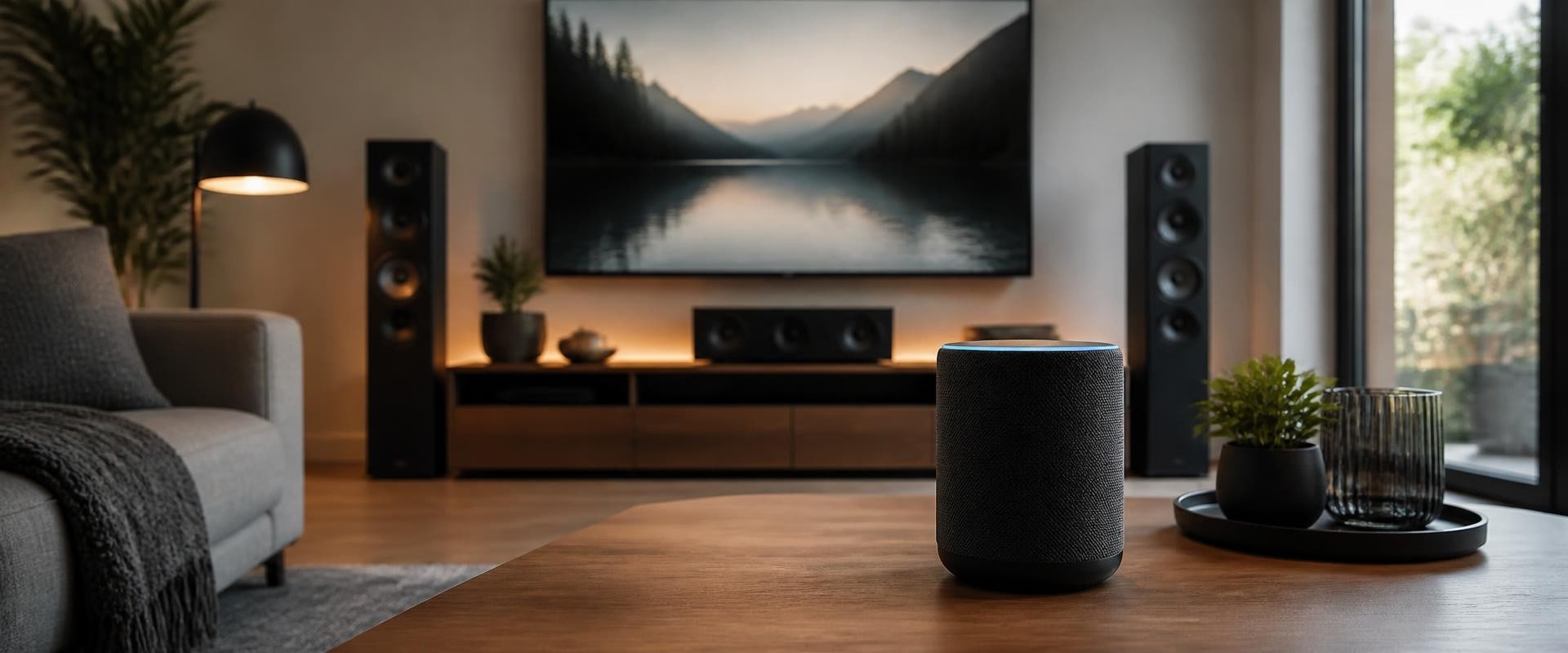
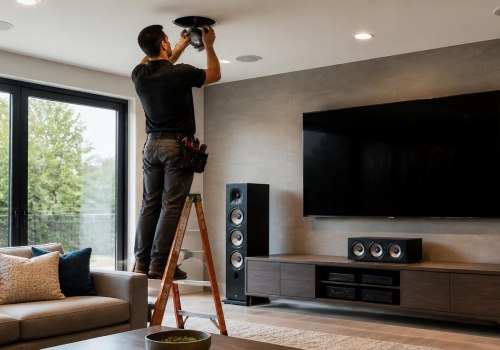
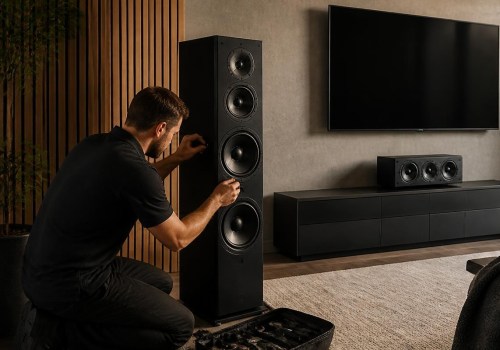
In today's fast-paced digital world, home audio installation has evolved beyond traditional setups, integrating seamlessly with smart technology to create immersive listening experiences. Whether you're a casual listener or an audiophile, understanding the fundamentals of home audio installation is crucial for maximizing your enjoyment of music, movies, and gaming. With the right components and smart features, you can transform your living space into a personal concert hall or a cinematic paradise. At its core, home audio installation involves strategically placing speakers, amplifiers, and other audio equipment to achieve optimal sound quality. However, the integration of smart audio systems takes this concept to new heights.
Imagine controlling your entire audio setup with just your voice or a mobile app—adjusting volume levels, switching playlists, or even creating multi-room audio experiences without lifting a finger. This level of convenience not only enhances your listening experience but also adds a layer of sophistication to your home. As we delve deeper into the world of audio technology, it becomes clear that the possibilities are endless. From wireless speakers that connect effortlessly to your Wi-Fi network to advanced soundbars that simulate surround sound, smart technology is revolutionizing how we interact with audio systems. By embracing these innovations, you can elevate your home entertainment setup and enjoy high-fidelity sound tailored to your preferences.
The Benefits of Smart Technology in Home Audio Systems
Integrating smart technology into your home audio system offers a multitude of benefits that can significantly enhance your listening experience.From convenience to superior sound quality, the advantages are compelling for any audiophile or casual listener alike.
Convenience and Control
- Voice Control: With smart speakers and voice assistants, you can control your audio system hands-free. Simply use voice commands to play music, adjust volume, or switch between sources.
- Remote Access: Smart audio systems allow you to manage your music from anywhere in your home through mobile apps. This means you can change playlists or adjust settings without needing to be in the same room.
- Multi-Room Audio: Many smart audio systems support multi-room setups, enabling you to play different music in different rooms or synchronize audio throughout your home for a cohesive listening experience.
Enhanced Sound Quality
- Adaptive Sound Technology: Smart audio systems often come equipped with features that automatically adjust sound settings based on the acoustics of the room, ensuring optimal sound quality.
- Streaming Services Integration: With built-in support for popular streaming services, you can access high-quality audio tracks directly from your system, eliminating the need for additional devices.
Smart Home Integration
- Seamless Connectivity: Smart audio systems can easily integrate with other smart home devices, allowing for synchronized experiences. For example, you can set your lights to dim when you start a movie or play soft music when you wake up.
- Automation: You can create routines that automate your audio settings based on time of day or specific activities, enhancing your lifestyle while providing a personalized touch to your home environment.
Embracing these advancements can transform how you enjoy music and entertainment in your home.
Key Components of a Smart Home Audio System
To create a truly immersive smart home audio system, it’s essential to understand the key components that will elevate your listening experience. Below are the fundamental elements you should consider:- Smart Speakers: These are the heart of your audio system. Look for models that support voice control and can connect to various streaming services. Brands like Sonos, Amazon Echo, and Google Nest offer excellent options that integrate seamlessly with other smart devices.
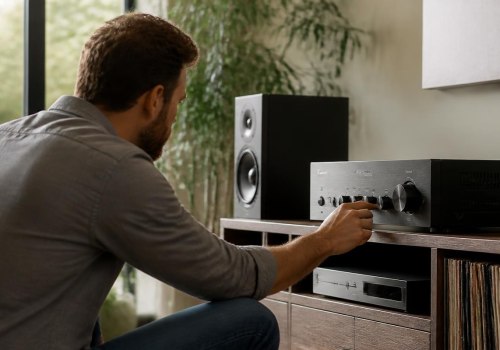
- Audio Receivers: A quality audio receiver acts as the central hub for your system, allowing you to connect multiple audio sources.
Choose a receiver that supports modern formats like Dolby Atmos and has built-in Wi-Fi or Bluetooth capabilities for easy streaming.
- Streaming Devices: If your speakers or receivers lack built-in streaming capabilities, consider adding devices like Roku, Apple TV, or Chromecast. These devices can enhance your system by providing access to a wide range of music and podcast services.
- Smart Assistants: Integrating a smart assistant like Amazon Alexa or Google Assistant can significantly enhance your audio experience. These assistants allow you to control playback with voice commands, making it easy to switch between playlists or adjust volume levels without needing a remote.
- Multi-Room Audio Systems: For those looking to fill their entire home with sound, consider a multi-room audio setup. Systems like Sonos allow you to play different music in different rooms or sync them for a cohesive listening experience throughout your home.
Whether you're hosting a party or enjoying a quiet evening at home, the right technology will ensure that your audio experience is nothing short of exceptional.
Choosing the Right Smart Speakers for Your Space
When it comes to home audio installation, selecting the right smart speakers is crucial for achieving optimal sound quality and enhancing your listening experience. Here are some key considerations to help you choose the best smart speakers for your space.Assess Your Room Size and Acoustics
The size of your room plays a significant role in determining the type of smart speakers you should consider. For smaller rooms, compact speakers can provide sufficient sound without overwhelming the space. Conversely, larger rooms may benefit from floor-standing speakers or a multi-speaker setup to fill the area with rich audio.Audio Quality Considerations
When evaluating smart speakers, pay attention to their audio quality specifications.Look for features such as:
- Frequency response: A wider frequency range typically indicates better sound reproduction.
- Power output: Higher wattage can lead to louder sound without distortion.
- Driver size: Larger drivers often produce deeper bass and clearer highs.
Personal Preferences and Ecosystem Compatibility
Your personal preferences also play a vital role in speaker selection. Think about:- Design: Choose speakers that complement your home decor.
- Voice assistant compatibility: Ensure the speakers work seamlessly with your preferred smart home ecosystem, whether it's Amazon Alexa, Google Assistant, or Apple HomeKit.
- Streaming services: Verify that the speakers support your favorite music streaming platforms.
Integrating Smart Assistants into Your Audio Setup
Integrating smart assistants like Alexa or Google Home into your home audio installation can significantly enhance your listening experience. These devices allow for seamless voice control, enabling you to manage your music without lifting a finger. To get started, ensure that your audio system is compatible with smart assistants. Many modern speakers and receivers come with built-in support for these technologies.If your system isn’t compatible, consider using a smart speaker that can connect to your existing setup via Bluetooth or Wi-Fi.
Setting Up Voice Control
Once you have the necessary hardware, follow these steps to set up voice control:- Connect Your Devices: Use the respective app for Alexa or Google Home to connect your audio system. This usually involves selecting the device from a list and following on-screen instructions.
- Create Routines: Customize routines that allow you to control multiple devices with a single command. For example, saying "Good morning" could turn on your speakers and start playing your favorite playlist.
- Voice Commands: Familiarize yourself with the voice commands specific to your smart assistant. For instance, you can say "Alexa, play jazz music" or "Hey Google, pause the music" to control playback effortlessly.
Enhancing Automation
Beyond basic playback controls, integrating smart assistants opens up a world of automation possibilities:- Multi-Room Audio: Use smart assistants to synchronize music across multiple rooms.
This feature allows you to enjoy a consistent audio experience throughout your home.
- Scheduling: Set schedules for when you want music to play. For example, you can program your system to start playing soft music in the morning and switch to upbeat tunes in the evening.
- Integration with Other Smart Devices: Connect your audio system with other smart home devices like lights and thermostats for a fully automated environment. Imagine dimming the lights and starting your favorite playlist with just one command!
Setting Up Multi-Room Audio Systems with Smart Technology
Setting up a multi-room audio system with smart technology can transform your home into a seamless sound experience.By integrating various devices, you can enjoy your favorite music in every room without the hassle of complicated wiring or setup. To begin, consider the following steps for an effective whole home audio solution:
- Choose Your Smart Speakers: Select speakers that are compatible with your preferred streaming services. Brands like Sonos, Amazon Echo, and Google Nest offer excellent options that can easily connect to your home Wi-Fi network.
- Plan Your Layout: Identify the rooms where you want audio coverage. Ensure that each speaker is strategically placed to maximize sound quality and minimize dead zones.
- Connect to a Central Hub: Use a smart home hub or an app that allows you to control all your devices from one place. This will enable you to manage playback across different rooms effortlessly.
- Set Up Streaming Services: Link your music streaming accounts (like Spotify, Apple Music, or Pandora) to your smart speakers.
This will allow you to access your playlists and favorite songs from any room.
- Create Zones: Most smart audio systems allow you to create zones for different areas of your home. You can play different music in each zone or synchronize them for a unified listening experience.
Common Challenges in Smart Home Audio Installation and Solutions
When it comes to home audio installation, integrating smart technology can present several challenges. Understanding these common issues and their solutions can help ensure a seamless setup.1.Connectivity Issues
One of the most frequent challenges is connectivity between devices.Smart audio systems often rely on Wi-Fi or Bluetooth, which can be unstable due to interference or distance from the router. To mitigate this:
- Position your router strategically: Ensure your router is centrally located to minimize dead zones.
- Use a Wi-Fi extender: If your audio devices are far from the router, consider using a Wi-Fi extender to boost the signal.
2.Compatibility Problems
Another common issue is compatibility between different brands and devices. Not all smart audio systems work seamlessly together. To avoid this:- Research compatibility: Before purchasing, check if your devices support common protocols like AirPlay, Chromecast, or Bluetooth.
- Consider a unified ecosystem: Sticking to one brand or ecosystem can simplify integration and reduce compatibility issues.
3.Setup Complexity
The installation process itself can be daunting, especially for those unfamiliar with technology.Here are some tips to simplify the setup:
- Follow manufacturer instructions: Always refer to the user manual for specific installation steps.
- Utilize online resources: Many manufacturers provide video tutorials that can guide you through the process.
4.Troubleshooting Tips
If you encounter problems post-installation, here are some troubleshooting tips:- Restart devices: A simple restart can often resolve connectivity issues.
- Check for updates: Ensure all devices have the latest firmware updates installed for optimal performance.
Future Trends in Smart Home Audio Technology
The future of smart audio is poised to revolutionize the way we experience sound in our homes. As technology continues to evolve, several key trends are emerging that will significantly enhance home audio installations.- Integration with AI: Artificial intelligence is becoming increasingly prevalent in audio systems. Smart speakers and soundbars are now equipped with AI capabilities that allow them to learn user preferences, adjust sound settings automatically, and even curate playlists based on listening habits.
- Spatial Audio Technology: The rise of spatial audio is transforming how we perceive sound. This technology creates a three-dimensional audio experience, making it feel as though sounds are coming from all around you.
As more devices support this feature, homeowners can expect a more immersive listening experience.
- Voice Control Advancements: Voice-activated systems are becoming more sophisticated. Future audio installations will likely feature enhanced voice recognition capabilities, allowing users to control their systems seamlessly without needing physical remotes or apps.
- Wireless Connectivity: The trend towards wireless audio solutions continues to grow. Technologies like Wi-Fi 6 and Bluetooth 5.0 are enabling faster and more reliable connections, allowing for multi-room audio setups without the clutter of cables.
- Smart Home Integration: As smart home ecosystems expand, audio systems will increasingly integrate with other smart devices. This means your audio system could sync with lighting, security systems, and even HVAC controls for a fully automated home environment.
As consumers demand higher quality and more personalized experiences, the future of smart home audio technology looks promising. By staying informed about these advancements, homeowners can make strategic decisions about their home audio installations, ensuring they remain at the forefront of innovation and enjoy an unparalleled listening experience.
FAQs About Enhancing Your Home Audio System with Smart Technology
Enhancing your home audio system with smart technology can raise many questions. Here are some frequently asked questions that can help you navigate this exciting upgrade.What are the benefits of integrating smart technology into my home audio system?
Integrating smart technology into your home audio system offers numerous benefits, including:- Convenience: Control your audio system remotely via smartphone apps or voice commands.
- Multi-room audio: Stream music throughout your home, allowing for a seamless listening experience in every room.
- Personalization: Create playlists and customize sound settings based on your preferences.
- Integration: Connect with other smart home devices for a cohesive smart home experience.
Can I use my existing speakers with smart technology?
Yes, many smart audio solutions allow you to use your existing speakers. You can achieve this by:- Using a smart speaker as a hub that connects to your traditional speakers via Bluetooth or auxiliary input.
- Installing a smart amplifier that can enhance the capabilities of your current setup.
What should I do if my smart speaker isn't connecting to my audio system?
If you're experiencing connectivity issues, consider the following troubleshooting steps:- Check Wi-Fi Connection: Ensure that both your smart speaker and audio system are connected to the same Wi-Fi network.
- Restart Devices: Power cycle your smart speaker and audio components to refresh their connections.
- Update Firmware: Make sure all devices have the latest software updates installed for optimal performance.
- Consult Manufacturer Support: If problems persist, refer to the user manuals or contact customer support for assistance.