Selecting the Perfect Amplifier for Your Home Audio System
Learn how to select the perfect amplifier for your home audio installation, ensuring optimal sound quality and compatibility with your speakers.

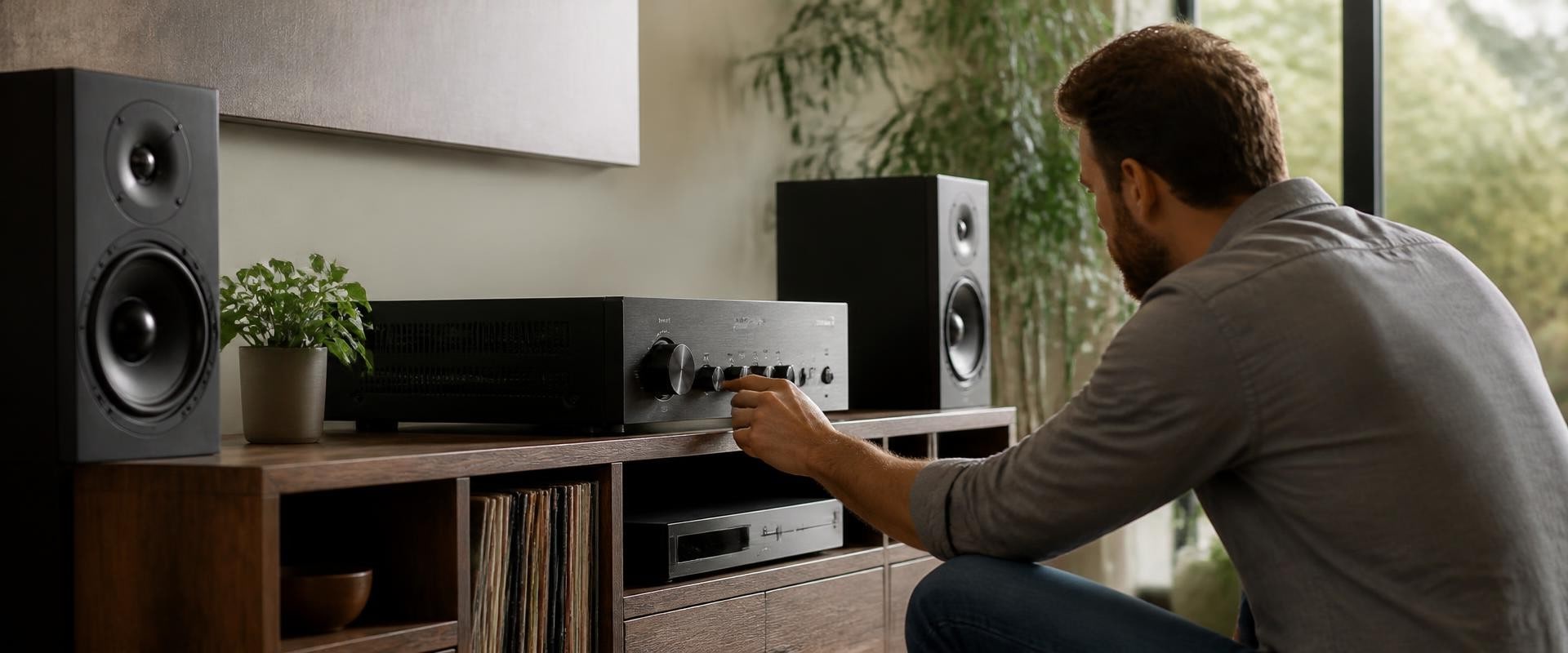
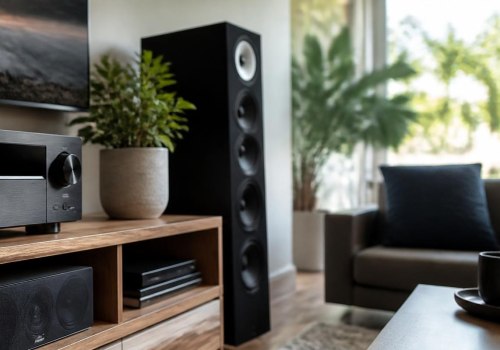
When embarking on a home audio installation, understanding your speakers is the first step toward achieving optimal sound quality. Different types of speakers, such as bookshelf, floor-standing, and in-wall models, each have unique characteristics that influence their performance and compatibility with amplifiers. For instance, bookshelf speakers are compact and ideal for smaller spaces, while floor-standing speakers typically deliver a more powerful sound due to their larger size and driver configuration. Equally important are the specifications of your speakers, particularly impedance and sensitivity. Impedance, measured in ohms, indicates how much resistance the speaker offers to the amplifier's output.
Most home audio systems operate at either 4, 6, or 8 ohms. Matching the impedance of your speakers with that of your amplifier is crucial; using an amplifier with a lower impedance rating than your speakers can lead to distortion or even damage. On the other hand, sensitivity measures how efficiently a speaker converts power into sound. A higher sensitivity rating means that the speaker requires less power to produce the same volume as a lower-rated one. By grasping these fundamental aspects of your speakers, you can make informed decisions when selecting an amplifier that not only complements your audio setup but also enhances your listening experience.
Whether you’re setting up a cozy home theater or a robust multi-room audio system, knowing your speaker types and specifications will guide you in achieving the best possible sound performance.
Amplifier Basics: What You Need to Know
When it comes to home audio installation, understanding the basics of amplifiers is crucial for achieving optimal sound quality. Amplifiers come in various types, each with its own characteristics that can significantly impact performance.Types of Amplifiers
- Class A: Known for their high fidelity, Class A amplifiers operate by conducting over the entire waveform. This results in excellent sound quality but can be inefficient, generating a lot of heat and consuming more power.
- Class D: These amplifiers are highly efficient, converting a larger portion of input power into output power. Class D amplifiers are ideal for home audio installations where space and energy efficiency are priorities, though they may not always match the sound quality of Class A.
- Class AB: A hybrid of Class A and Class B designs, Class AB amplifiers offer a balance between sound quality and efficiency.
They are commonly used in home audio systems due to their versatility.
Understanding Power Ratings
The power rating of an amplifier is another critical factor to consider. It is typically measured in watts and indicates how much power the amplifier can deliver to the speakers. Here are some key points to keep in mind:- RMS Power: This is the continuous power output that an amplifier can provide without distortion. It’s essential to match the RMS rating of your amplifier with your speakers for optimal performance.
- Peak Power: This refers to the maximum power level an amplifier can produce for short bursts.
While it’s important, relying solely on peak power ratings can be misleading.
- Impedance Matching: Ensure that the amplifier's output impedance matches your speakers' impedance (measured in ohms). This compatibility is vital for preventing damage and ensuring efficient operation.
Matching Amplifier Power to Speaker Needs
When it comes to home audio installation, one of the most critical aspects is ensuring that your amplifier's wattage aligns with your speakers' requirements. This matching process is essential for achieving optimal sound quality and preventing potential damage to your equipment.Understanding Wattage
- Wattage refers to the amount of power an amplifier can deliver to speakers. It is crucial to choose an amplifier that can provide sufficient wattage to meet the needs of your speakers.
- Most speakers have a specified wattage rating, indicating the maximum power they can handle without distortion or damage.
This rating is typically found in the speaker's specifications.
Power Matching
To achieve the best performance, aim for an amplifier that can deliver power within the range of your speakers' wattage rating. A good rule of thumb is to select an amplifier that offers between 75% and 150% of your speaker's rated power. This ensures that you have enough headroom for dynamic peaks in music without risking damage.
Headroom and Volume Levels
- Headroom refers to the extra power available beyond what is needed for normal listening levels. Having adequate headroom allows for transient peaks in audio, such as drum hits or orchestral crescendos, without causing distortion.
- When selecting an amplifier, consider how loud you typically listen to music.
If you enjoy high volume levels, ensure your amplifier can handle these demands without straining.
Connectivity Options: What Works Best?
When selecting an amplifier for your home audio installation, understanding the connectivity options available is crucial. The type of connection can significantly affect both the audio quality and the convenience of your setup. Here, we will explore the most common connection types: RCA, XLR, and wireless options.RCA Connections
The RCA connection is one of the most widely used methods for connecting amplifiers to speakers.Typically color-coded with red and white connectors, RCA cables are easy to use and compatible with most consumer audio equipment. However, they are susceptible to interference, which can affect sound quality, especially over longer distances.
XLR Connections
XLR connections are often found in professional audio setups due to their ability to provide a balanced signal. This means they can effectively reduce noise and interference, making them ideal for longer cable runs. If you’re looking for superior sound quality and have the option for XLR connections in your amplifier and speakers, this is a great choice.Wireless Options
In recent years, wireless connectivity has gained popularity for home audio installations.Technologies like Bluetooth and Wi-Fi allow you to connect your amplifier to speakers without the clutter of cables. While wireless options offer convenience and flexibility, they may introduce latency or compression that can impact audio fidelity. It’s essential to choose high-quality wireless equipment to minimize these issues. Ultimately, the best connectivity option depends on your specific needs and setup. Consider factors such as distance, potential interference, and whether you prioritize convenience or sound quality when making your decision.
Budgeting for Your Amplifier Purchase
When it comes to home audio installation, budgeting for your amplifier purchase is crucial to ensure you get the best value for your investment.Amplifiers come in a wide range of prices, and understanding these price ranges can help you make an informed decision.
Amplifier Price Ranges:
- Entry-Level Amplifiers: Typically priced between $100 and $300, these amplifiers are suitable for casual listeners or those just starting with home audio systems. They often provide decent sound quality but may lack advanced features.
- Mid-Range Amplifiers: Ranging from $300 to $800, these models offer better sound quality, more power, and additional features such as Bluetooth connectivity or multi-room capabilities. They are ideal for audiophiles who want a balance between performance and cost.
- High-End Amplifiers: Priced above $800, high-end amplifiers deliver exceptional sound quality and are often equipped with the latest technology. These are best suited for serious audiophiles or dedicated home theater setups.
Budget Tips:
- Set a Clear Budget: Determine how much you are willing to spend before you start shopping.
This will help narrow down your options and prevent overspending.
- Research Brands: Some brands offer better value for money than others. Look for reviews and comparisons to find amplifiers that provide excellent performance at a reasonable price.
- Consider Used Equipment: Buying a used amplifier can save you money while still providing high-quality sound. Just ensure that it’s in good condition and comes from a reputable source.
Common Mistakes to Avoid When Choosing an Amplifier
Choosing the right amplifier for your speakers can significantly enhance your home audio installation, but many people make common mistakes that can lead to subpar performance.Here are some pitfalls to avoid:
- Ignoring Power Ratings: One of the most frequent mistakes is not paying attention to the power ratings of both the amplifier and the speakers. Ensure that the amplifier's output power matches or slightly exceeds the speaker's power handling capacity. This prevents distortion and potential damage.
- Overlooking Impedance Compatibility: Amplifiers and speakers have specific impedance ratings, typically measured in ohms. Using an amplifier with an incompatible impedance can lead to poor sound quality or even damage your equipment.
Always check that your amplifier matches your speakers' impedance.
- Choosing Based on Price Alone: While budget is important, selecting an amplifier solely based on price can lead to compromises in quality. Invest time in researching reputable brands and models that fit your needs rather than opting for the cheapest option.
- Neglecting Features: Many amplifiers come with additional features such as built-in equalizers, Bluetooth connectivity, or multi-channel support. Consider what features are essential for your home audio installation. Neglecting these can limit your system's capabilities.
- Not Listening Before Buying: If possible, always listen to the amplifier with your speakers before making a purchase.
Personal preference plays a significant role in audio quality, and what sounds good to one person may not appeal to another.
FAQs About Choosing Amplifiers for Speakers
When it comes to home audio installation, choosing the right amplifier for your speakers can be a daunting task. Here are some frequently asked questions that can help clarify your choices:What is the difference between a stereo amplifier and a home theater receiver?
A stereo amplifier is designed primarily for two-channel audio, making it ideal for music listening. In contrast, a home theater receiver combines an amplifier with a surround sound processor, allowing you to connect multiple speakers and enjoy immersive audio for movies and games.How do I determine the power requirements for my speakers?
To find the right amplifier, check the wattage rating of your speakers. Look for the RMS (Root Mean Square) power rating, which indicates how much power your speakers can handle continuously.Choose an amplifier that can deliver power within this range to avoid damaging your speakers.
Can I use an underpowered amplifier with my speakers?
Using an underpowered amplifier can lead to distortion and potential damage to both the amplifier and the speakers. It's crucial to match the amplifier's output with your speakers' requirements to ensure optimal performance.What should I consider regarding speaker impedance?
Speaker impedance, measured in ohms, affects how much power an amplifier needs to drive them effectively. Most home audio systems use 4, 6, or 8-ohm speakers. Ensure that your amplifier is compatible with your speakers' impedance rating to avoid overheating or damaging components.What are some troubleshooting tips if my audio sounds distorted?
- Check connections: Ensure all cables are securely connected and not damaged.
- Avoid overdriving: Lower the volume if distortion occurs at high levels.
- Inspect settings: Verify that the amplifier settings match your speaker configuration.
- Test with different sources: Try different audio sources to rule out issues with specific devices.