Understanding the Role of Acoustic Treatment in Home Audio Installations
Discover how acoustic treatment enhances home audio installations for optimal sound quality and an immersive listening experience.

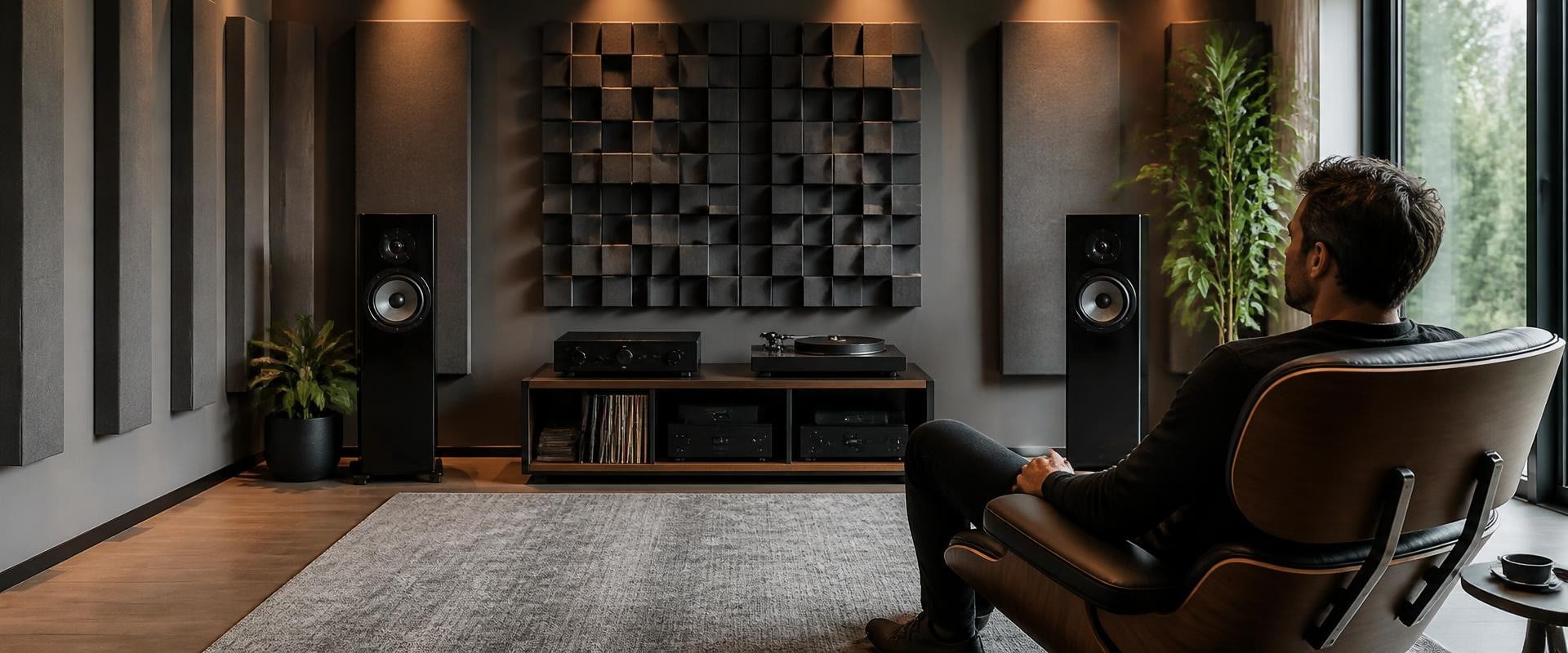
In the realm of home audio installations, achieving the perfect sound experience goes beyond merely selecting high-quality speakers and amplifiers. It involves a comprehensive understanding of how sound interacts with the environment. This is where acoustic treatment comes into play, serving as a crucial element that can significantly enhance audio performance. Whether you are setting up a dedicated home theater or a cozy listening nook, the acoustics of your space can make or break your audio experience. Many enthusiasts underestimate the importance of acoustic treatment, often believing that expensive equipment alone will suffice.
However, without proper treatment, even the best audio gear can fall short, resulting in muddled sound and an unsatisfactory listening experience. Acoustic treatment involves strategically placing materials that absorb, diffuse, or reflect sound waves, thereby optimizing the acoustic environment. This not only improves clarity and detail but also helps in managing unwanted echoes and reverberations. As we delve deeper into the significance of acoustic treatment, it becomes evident that it is not merely an optional enhancement but a fundamental aspect of any successful home audio installation. Understanding how to manipulate sound within your space can lead to a more immersive and enjoyable auditory experience, making every movie night or music session truly memorable.
What is Acoustic Treatment?
Acoustic treatment refers to the process of controlling sound within a space to enhance audio quality.In the context of home audio installation, it plays a crucial role in achieving optimal sound performance by addressing issues such as echoes, reverberation, and unwanted noise. Proper acoustic treatment can transform a standard room into an acoustically balanced environment, making it essential for audiophiles and casual listeners alike.
Types of Acoustic Treatment
- Absorption: This type of treatment involves materials that absorb sound waves, reducing reflections and echoes. Common absorption materials include acoustic panels, foam tiles, and heavy curtains. These elements help to minimize sound bouncing off walls, which can muddy the audio experience.
- Diffusion: Unlike absorption, diffusion scatters sound waves evenly throughout a space.
This technique helps to maintain a lively sound while preventing harsh reflections. Diffusers can be made from various materials, including wood or specialized plastic designs that break up sound waves effectively.
- Bass Traps: Low-frequency sounds can often overwhelm a room, leading to an unbalanced audio experience. Bass traps are designed to absorb these lower frequencies, helping to create a more even sound profile. They are typically placed in corners where bass buildup is most pronounced.
By understanding the different types of acoustic treatment available, homeowners can make informed decisions about how to optimize their audio environments for both music and movie enjoyment.
Why Acoustic Treatment Matters in Home Audio Installations
When it comes to home audio installations, the significance of acoustic treatment cannot be overstated. Proper acoustic treatment is essential for achieving optimal sound quality, as it directly influences how sound waves interact within a space. Without adequate treatment, even the most advanced audio equipment can fall short of delivering the immersive experience that enthusiasts seek.Importance of Acoustic Treatment
- Sound Quality Improvement: Acoustic treatment helps to minimize unwanted reflections and echoes, which can muddle sound clarity. By absorbing or diffusing sound waves, these treatments ensure that audio signals reach the listener's ears in their purest form.
- Noise Reduction: In many home environments, external noise can interfere with audio enjoyment.
Acoustic panels and bass traps can significantly reduce background noise, allowing for a more focused listening experience.
- Enhanced Listening Experience: A well-treated room creates a balanced sound field, making it easier to appreciate the nuances in music or dialogue in films. This balance is crucial for audiophiles and casual listeners alike.
Common Acoustic Treatment Solutions for Home Audio Installations
When it comes to home audio installations, achieving optimal sound quality often hinges on effective acoustic treatment.There are several solutions available, ranging from commercial products to DIY options, that can significantly enhance your listening experience.
Commercial Acoustic Panels
One of the most popular solutions for acoustic treatment are acoustic panels. These panels are designed to absorb sound waves, reducing echo and improving clarity. They come in various sizes, shapes, and materials, allowing you to choose options that fit your aesthetic while effectively managing sound. Common materials include foam, fabric-wrapped fiberglass, and wood.When selecting panels, consider:
- Thickness: Thicker panels generally absorb lower frequencies better.
- Placement: Strategically placing panels at first reflection points can maximize their effectiveness.
- Design: Look for panels that complement your home decor.
Soundproofing Solutions
While acoustic panels focus on improving sound quality within a space, soundproofing solutions aim to prevent sound from entering or leaving a room. This is particularly important in home audio installations where external noise can disrupt the listening experience. Some effective soundproofing methods include:- Mass Loaded Vinyl (MLV): A dense material that can be added to walls or ceilings to block sound transmission.
- Decoupling Techniques: Using resilient channels or sound isolation clips can help separate drywall from framing, reducing vibrations.
- Weatherstripping: Sealing gaps around doors and windows can prevent sound leakage.
DIY Acoustic Treatment
If you're looking for budget-friendly options, many effective DIY acoustic treatment solutions can be implemented with minimal investment. Here are a few ideas:- Bookshelves: Filling bookshelves with books can act as a natural diffuser and absorber.
- Curtains: Heavy curtains can help absorb sound and reduce reflections when hung over windows.
- Pillows and Rugs: Soft furnishings like pillows and rugs can dampen sound reflections in a room.
How to Implement Acoustic Treatment in Your Home Audio Setup
Implementing acoustic treatment in your home audio installation is essential for achieving the best sound quality.Here are some practical steps to enhance your home audio setup:
- Assess Your Room: Start by evaluating the dimensions and layout of your room. Identify areas where sound waves may bounce, such as hard walls, ceilings, and floors.
- Select Appropriate Materials: Choose acoustic panels, bass traps, and diffusers that suit your needs. For example, foam panels can absorb high frequencies, while bass traps help manage low frequencies.
- Strategic Placement: Position acoustic panels at first reflection points—these are the spots where sound waves first bounce off surfaces before reaching your ears. Use a mirror to find these points easily.
- Consider Ceiling Treatment: Don’t overlook the ceiling; installing acoustic tiles or clouds can significantly improve sound quality by reducing echo.
- Add Rugs and Curtains: Soft furnishings like rugs and heavy curtains can help absorb sound and reduce reflections, making them a cost-effective solution for improving room acoustics.
- Test and Adjust: After implementing your treatment, listen to your audio setup.
Make adjustments as necessary to find the perfect balance between absorption and diffusion.
Common Mistakes to Avoid When Treating Acoustics at Home
When it comes to home audio installation, achieving optimal sound quality often hinges on effective acoustic treatment. However, many enthusiasts fall prey to common mistakes that can undermine their efforts. Here are some frequent errors to avoid:- Ignoring Room Dimensions: One of the biggest pitfalls is neglecting the size and shape of the room.
Acoustic treatment should be tailored to the specific dimensions of your space. Failing to consider this can lead to uneven sound distribution.
- Overusing Absorption Materials: While absorption panels are essential, overusing them can create a dead sound environment. Balance is key; incorporate a mix of absorption and diffusion materials to maintain liveliness in your audio.
- Placement Errors: Improper placement of acoustic panels can significantly diminish their effectiveness. Panels should be strategically positioned at first reflection points and other critical areas, rather than randomly scattered.
- Neglecting Bass Management: Many homeowners focus solely on mid and high frequencies, overlooking bass treatment.
Low frequencies can cause muddiness in sound; therefore, bass traps are crucial for a well-rounded acoustic treatment.
- Skipping Testing: Failing to test the acoustics after installation is a common mistake. Use measurement tools or software to analyze the sound before and after treatment, ensuring that adjustments can be made as needed.
FAQs About Acoustic Treatment in Home Audio Installations
When it comes to home audio installations, many homeowners have questions about the role of acoustic treatment. Here are some frequently asked questions that can help clarify its importance:What is acoustic treatment?
Acoustic treatment involves the use of materials and techniques to control sound within a space.This can include absorbing, diffusing, or reflecting sound waves to enhance audio quality. Unlike soundproofing, which aims to block sound from entering or leaving a room, acoustic treatment focuses on improving the sound characteristics within the room itself.
Why is acoustic treatment important for home audio installations?
Proper acoustic treatment is crucial for achieving optimal sound quality in your home audio system. It helps to minimize unwanted echoes and reverberations, ensuring that you hear music and dialogue as intended. Without adequate treatment, even the best audio equipment can underperform due to poor room acoustics.How does acoustic treatment differ from soundproofing?
- Soundproofing: This process aims to prevent sound from escaping or entering a space.
It often involves heavy materials like mass-loaded vinyl or specialized drywall.
- Acoustic Treatment: This focuses on enhancing the sound quality within a room by using materials like foam panels, bass traps, and diffusers to manage sound waves.
Can I install acoustic treatment myself?
Yes, many homeowners choose to install acoustic treatment themselves. There are numerous DIY options available, including foam panels and fabric-wrapped panels that can be easily mounted on walls. However, for optimal results, consulting with an acoustic professional may be beneficial.What are some common materials used for acoustic treatment?
- Auralex foam: Popular for its effectiveness in absorbing mid to high frequencies.
- Bass traps: Designed to manage low-frequency sounds and reduce muddiness in audio.
- Drapes and carpets: These can also serve as effective acoustic treatments by absorbing sound waves.
Conclusion: The Essential Role of Acoustic Treatment in Home Audio Installations
In conclusion, the significance of acoustic treatment in home audio installations cannot be overstated. As we have explored throughout this article, the quality of sound in your home environment is heavily influenced by how sound waves interact with various surfaces.Without proper treatment, even the most advanced audio equipment can fall short of delivering an optimal listening experience.
Acoustic treatment
serves multiple purposes that enhance audio performance:- Minimizing Echo and Reverberation: By strategically placing acoustic panels and bass traps, you can significantly reduce unwanted echoes and reverberation that muddle sound clarity.
- Improving Frequency Response: Acoustic treatment helps to balance the frequency response in a room, ensuring that bass, midrange, and treble frequencies are heard as intended.
- Enhancing Soundstage: Proper treatment allows for a more defined soundstage, giving listeners a sense of space and depth in their audio experience.