Understanding the Role of an AV Receiver in Your Home Audio Installation
Discover how an AV receiver enhances your home audio installation, improving sound quality and connectivity for an immersive entertainment experience.

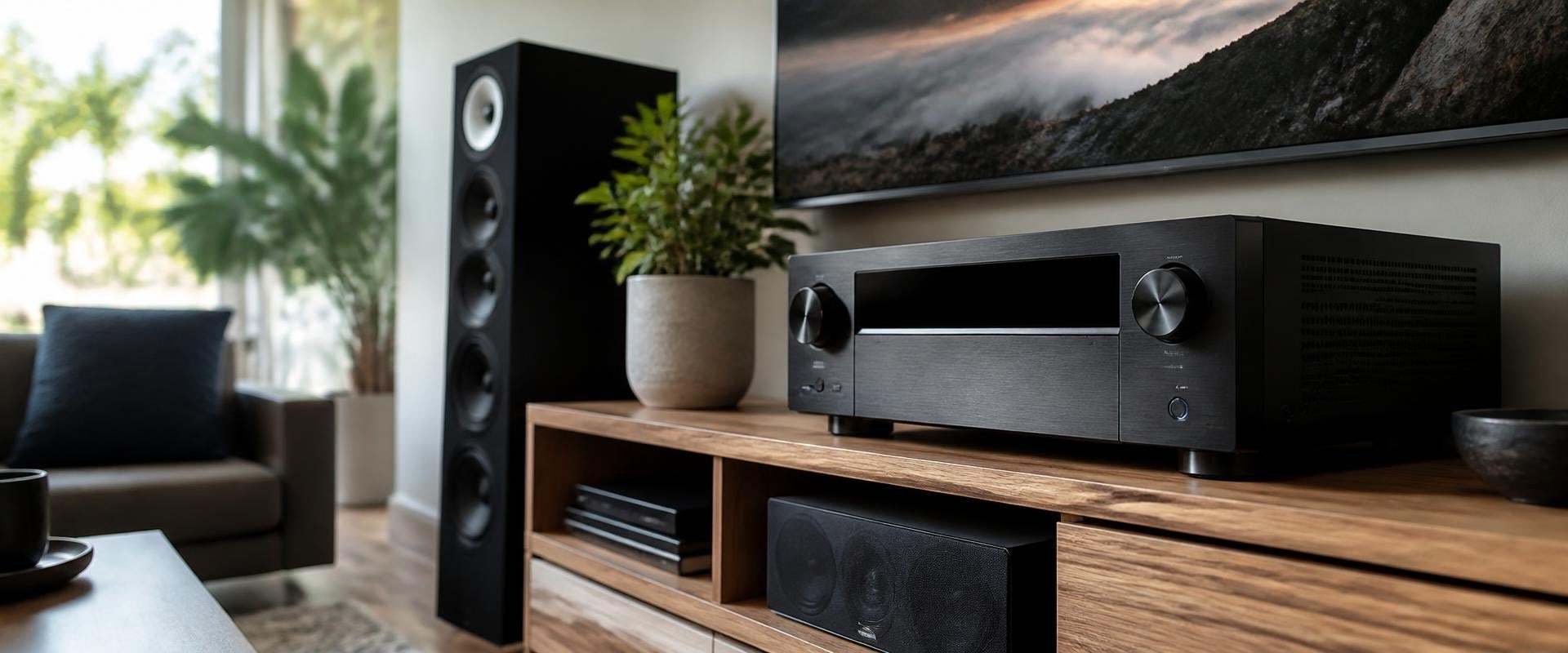
In today's world, where entertainment options are abundant, creating an immersive home audio system has become a priority for many audiophiles and casual listeners alike. Whether you're watching the latest blockbuster, enjoying your favorite music, or gaming with friends, the quality of sound can significantly enhance your experience. A well-designed home theater setup not only elevates your enjoyment but also transforms your living space into a personal entertainment hub. At the heart of any effective home audio installation lies the AV receiver, a crucial component that acts as the command center for your audio and video sources. This device is responsible for processing audio signals, managing multiple inputs, and delivering high-quality sound to your speakers.
Understanding the role of an AV receiver is essential for anyone looking to optimize their home audio experience. It ensures that every note, dialogue, and sound effect is delivered with clarity and precision, making it an indispensable part of any modern audio setup. As we delve deeper into the intricacies of home audio systems, we will explore how an AV receiver integrates with various components, enhances sound quality, and simplifies the overall user experience. From connecting different devices to fine-tuning audio settings, the AV receiver plays a pivotal role in achieving that cinematic sound you crave. Join us as we uncover the importance of this device and how it can elevate your home entertainment to new heights.
What is an AV Receiver?
An AV receiver, or audio video receiver, is a crucial component in any home audio installation.It serves as the central hub that connects various audio and video sources to your home entertainment system, allowing for seamless integration and control. At its core, an AV receiver performs several key functions:
- Signal Processing: The AV receiver processes audio and video signals from multiple sources, such as Blu-ray players, gaming consoles, and streaming devices. It decodes formats like Dolby Atmos and DTS:X, ensuring high-quality sound reproduction.
- Amplification: It amplifies the audio signals before sending them to your speakers. This amplification is essential for achieving optimal sound levels and clarity, especially in larger rooms.
- Switching: An AV receiver allows users to switch between different input sources easily. With multiple HDMI ports and other connections, you can connect various devices without the hassle of plugging and unplugging cables.
- Video Upscaling: Many modern AV receivers offer video upscaling capabilities, enhancing lower-resolution content to improve picture quality on high-definition displays.
- Input/Output Ports: These include HDMI, optical, coaxial, and analog inputs for connecting various devices.
- Amplifiers: Built-in amplifiers power the speakers, providing the necessary output for a rich audio experience.
- Tuning Capabilities: Many receivers come with built-in tuners for AM/FM radio, allowing users to enjoy live broadcasts.
- User Interface: A user-friendly interface or remote control makes it easy to navigate settings and adjust sound profiles.
It not only enhances the listening experience but also simplifies the management of multiple devices within your entertainment setup.
Key Functions of an AV Receiver
An AV receiver serves as the central hub of a home audio installation, playing a crucial role in managing and enhancing your audio and video experience. Its primary functions can be categorized into several key areas:- Audio Processing: One of the most significant functions of an AV receiver is its ability to process audio signals. It decodes various audio formats, including Dolby Atmos, DTS:X, and PCM, ensuring that you experience sound as intended by the creators. This processing allows for immersive surround sound experiences that elevate your home theater setup.
- Video Switching: Modern AV receivers come equipped with multiple HDMI inputs, enabling seamless switching between various video sources such as Blu-ray players, gaming consoles, and streaming devices.
This feature simplifies your setup by allowing you to connect all your devices to one central unit, reducing cable clutter and enhancing convenience.
- Connectivity Options: An AV receiver offers a range of connectivity options, including Bluetooth, Wi-Fi, and Ethernet. These features allow you to stream music directly from your smartphone or access online services like Spotify and Apple Music. Additionally, many receivers support multi-room audio setups, enabling you to enjoy music throughout your home.
- Room Calibration: Many AV receivers include advanced room calibration technologies that analyze your room's acoustics and adjust the audio output accordingly. This ensures optimal sound quality tailored to your specific environment, making it easier to achieve a balanced listening experience.
These features collectively enhance the overall performance of your home audio installation, providing a richer and more engaging entertainment experience.
How an AV Receiver Enhances Home Audio Installation
An AV receiver plays a pivotal role in enhancing the overall experience of a home audio installation. It acts as the central hub that connects various audio and video components, ensuring seamless communication between devices while delivering superior sound quality. One of the primary benefits of an AV receiver is its ability to decode multiple audio formats. Modern receivers support advanced formats such as Dolby Atmos and DTS:X, which provide immersive sound experiences by creating a three-dimensional audio environment. This capability significantly enhances the listening experience, making it feel as though sounds are coming from all around you.Improved Sound Quality
The sound quality improvement offered by an AV receiver cannot be overstated.With built-in amplification, these devices can drive speakers more effectively than standard TV outputs or basic sound systems. This results in clearer dialogue, richer bass, and overall more dynamic sound. Additionally, many receivers come equipped with room calibration technology that analyzes your room's acoustics and adjusts the audio output accordingly. This ensures that you get the best possible sound tailored to your specific environment.
Versatile Connectivity Options
Another advantage of using an AV receiver in your home audio installation is the versatility it offers in terms of connectivity.Most receivers come with multiple HDMI inputs, allowing you to connect various devices such as gaming consoles, Blu-ray players, and streaming devices. This not only simplifies your setup but also enhances your ability to switch between different sources without hassle.
- Multi-Room Audio: Many AV receivers support multi-room audio setups, enabling you to enjoy music throughout your home.
- Streaming Capabilities: Built-in Wi-Fi and Bluetooth allow for easy streaming from smartphones and other devices.
- Future-Proofing: Investing in a high-quality AV receiver ensures compatibility with future technologies and formats.
Choosing the Right AV Receiver for Your Setup
Choosing the right AV receiver for your home audio installation is crucial to achieving the best sound quality and overall experience. With numerous options available, it can be overwhelming to determine which receiver suits your needs.Here are some key factors to consider:
- Budget: Establishing a budget is the first step in your selection process. AV receivers can range from a few hundred to several thousand dollars. Determine how much you are willing to invest without compromising on essential features.
- Power Output: Look for an AV receiver that provides adequate power for your speakers. The power output, measured in watts per channel, should match or exceed the requirements of your speakers for optimal performance.
- Audio Formats: Ensure that the receiver supports various audio formats such as Dolby Atmos, DTS:X, and others.
This compatibility will enhance your home theater experience by delivering immersive sound.
- Connectivity Options: Check for multiple HDMI inputs and outputs, as well as support for 4K video and HDR. Additionally, consider wireless connectivity options like Bluetooth and Wi-Fi for streaming music.
- Room Calibration: Many modern AV receivers come with automatic room calibration technology. This feature adjusts the audio settings based on your room's acoustics, ensuring optimal sound quality.
- Denon AVR-X3700H: Known for its excellent sound quality and robust feature set, this receiver supports 9.2 channels and offers advanced room calibration.
- Yamaha RX-V6A: A versatile option with great connectivity options and support for various audio formats, making it ideal for both music and movies.
- Pioneer VSX-LX504: This receiver stands out with its powerful amplification and extensive streaming capabilities, perfect for audiophiles.
Common Features to Look for in an AV Receiver
When considering a new AV receiver for your home audio installation, it's crucial to understand the features that will enhance your listening experience.Here are some common features to look for:
- HDMI Inputs: Look for multiple HDMI inputs to connect various devices such as gaming consoles, Blu-ray players, and streaming devices. A minimum of four HDMI inputs is recommended to future-proof your setup.
- Surround Sound Formats: Ensure the receiver supports popular surround sound formats like Dolby Atmos and DTS:X. These formats provide an immersive audio experience, making movies and music come alive.
- Power Output: Check the power output per channel, measured in watts. A higher wattage typically means better sound quality and the ability to drive larger speakers effectively.
- Multi-Room Audio: If you plan to expand your audio system, consider a receiver with multi-room capabilities.
This feature allows you to play different audio sources in different rooms simultaneously.
- Built-in Streaming Services: Many modern AV receivers come with built-in support for streaming services like Spotify, Tidal, and Apple Music. This feature simplifies access to your favorite music without needing additional devices.
- User Interface: A user-friendly interface is essential for navigating settings and features easily. Look for receivers with intuitive remote controls or mobile app compatibility.
Setting Up Your AV Receiver: A Step-by-Step Guide
Setting up your AV receiver is a crucial step in achieving an optimal home audio installation. Follow this step-by-step guide to ensure your system performs at its best.- Gather Your Equipment: Before you start, make sure you have all necessary components, including your AV receiver, speakers, cables, and any additional devices like a Blu-ray player or gaming console.
- Choose the Right Location: Place your AV receiver in a well-ventilated area, ideally in a media cabinet or shelf that allows for easy access to ports and controls.
Ensure it’s close to your TV and speakers for efficient cable management.
- Connect Your Speakers: Begin by connecting your speakers to the AV receiver. Use high-quality speaker wire and follow the color-coded terminals on both the receiver and the speakers. Make sure to connect positive (+) to positive and negative (-) to negative.
- Connect Video Sources: Next, connect your video sources such as a cable box, gaming console, or streaming device. Use HDMI cables for the best quality.
Plug one end into the source device and the other into an available HDMI input on the AV receiver.
- Connect to Your TV: Use another HDMI cable to connect the AV receiver’s HDMI output to your TV’s HDMI input. This will allow audio and video signals to pass through seamlessly.
- Power Up and Configure: Once everything is connected, power on your AV receiver and TV. Follow the on-screen setup wizard to configure settings such as speaker size, distance, and calibration. This step is vital for optimizing sound quality based on your room's acoustics.
- Test Your Setup: Finally, play a variety of audio and video content to test your setup.
Adjust settings as needed for balance and clarity. Make sure all speakers are functioning correctly and that you’re getting the desired sound experience.
Troubleshooting Common Issues with AV Receivers
When setting up a home audio installation, encountering issues with your AV receiver can be frustrating. Here are some common problems and troubleshooting tips to help you resolve them.- No Sound Output: If your AV receiver is powered on but you hear no sound, check the following:
- Ensure that the correct input source is selected.
- Verify that all cables are securely connected and not damaged.
- Check the volume level; it may be muted or set too low.
- Audio Sync Issues: If the audio does not match the video, try these steps:
- Look for a lip-sync adjustment feature in your AV receiver settings.
- Ensure that your video source and display device are compatible.
- Update firmware if available, as this can resolve compatibility issues.
- Intermittent Sound Dropouts: This can be caused by several factors:
- Check for loose connections or damaged cables.
- Reduce interference from other electronic devices by repositioning them.
- If using wireless speakers, ensure they are within range of the receiver.
- Overheating: If your AV receiver feels excessively hot, consider these solutions:
- Ensure proper ventilation around the unit; avoid placing it in enclosed spaces.
- Check if the receiver is overloaded with too many connected devices.
- Clean dust from vents and fans to improve airflow.
Future Trends in AV Receivers and Home Audio Systems
As technology continues to evolve, the future of AV receivers and home audio installations is poised for significant transformation.Several emerging trends are shaping how consumers experience audio in their homes, making it more immersive and integrated than ever before.
Smart Home Integration
One of the most notable trends is the increasing integration of smart home technology. Modern AV receivers are now designed to seamlessly connect with various smart devices, allowing users to control their audio systems through voice commands or mobile apps. This integration not only enhances convenience but also enables users to create customized audio experiences tailored to their preferences.Wireless Audio Solutions
The shift towards wireless audio solutions is another significant trend. With advancements in Wi-Fi and Bluetooth technologies, consumers are moving away from traditional wired setups.This shift allows for greater flexibility in home audio installations, enabling users to place speakers anywhere without the constraints of cables. Wireless multi-room audio systems are becoming increasingly popular, allowing users to enjoy synchronized sound throughout their homes.
High-Resolution Audio Formats
The demand for high-resolution audio formats is also on the rise. As streaming services begin to offer lossless audio options, AV receivers are evolving to support these formats, ensuring that audiophiles can enjoy superior sound quality. This trend emphasizes the importance of investing in receivers that can handle high-definition audio signals.Sustainability and Energy Efficiency
Lastly, sustainability is becoming a key consideration in the design of AV receivers and home audio systems.Manufacturers are increasingly focusing on creating energy-efficient products that minimize environmental impact. This trend not only appeals to eco-conscious consumers but also aligns with broader efforts to promote sustainability in technology. In conclusion, the future of AV receivers and home audio installations is bright, driven by innovations in smart technology, wireless solutions, high-resolution formats, and sustainability. As these trends continue to develop, consumers can expect more versatile and high-quality audio experiences in their homes.
Conclusion: The Importance of an AV Receiver in Home Audio Installation
In conclusion, the role of an AV receiver in a home audio installation cannot be overstated. It serves as the central hub that connects all your audio and video components, ensuring seamless communication between devices.By understanding its functions and features, homeowners can make informed decisions that enhance their overall audio experience. Throughout this article, we explored several key aspects of AV receivers:
- Signal Processing: AV receivers decode various audio formats, allowing for high-quality sound reproduction that brings movies and music to life.
- Multi-Zone Capability: Many modern receivers support multi-zone setups, enabling users to enjoy different audio sources in various rooms simultaneously.
- Connectivity Options: With multiple HDMI inputs and wireless capabilities, AV receivers facilitate easy connections to a range of devices, from gaming consoles to streaming services.
- Room Calibration: Advanced models come equipped with room calibration technology that optimizes sound based on the unique acoustics of your space.