How to Stream Music to Your Home Audio System: A Complete Guide
Discover the best ways to stream music to your home audio system with our comprehensive guide on installation and streaming options.

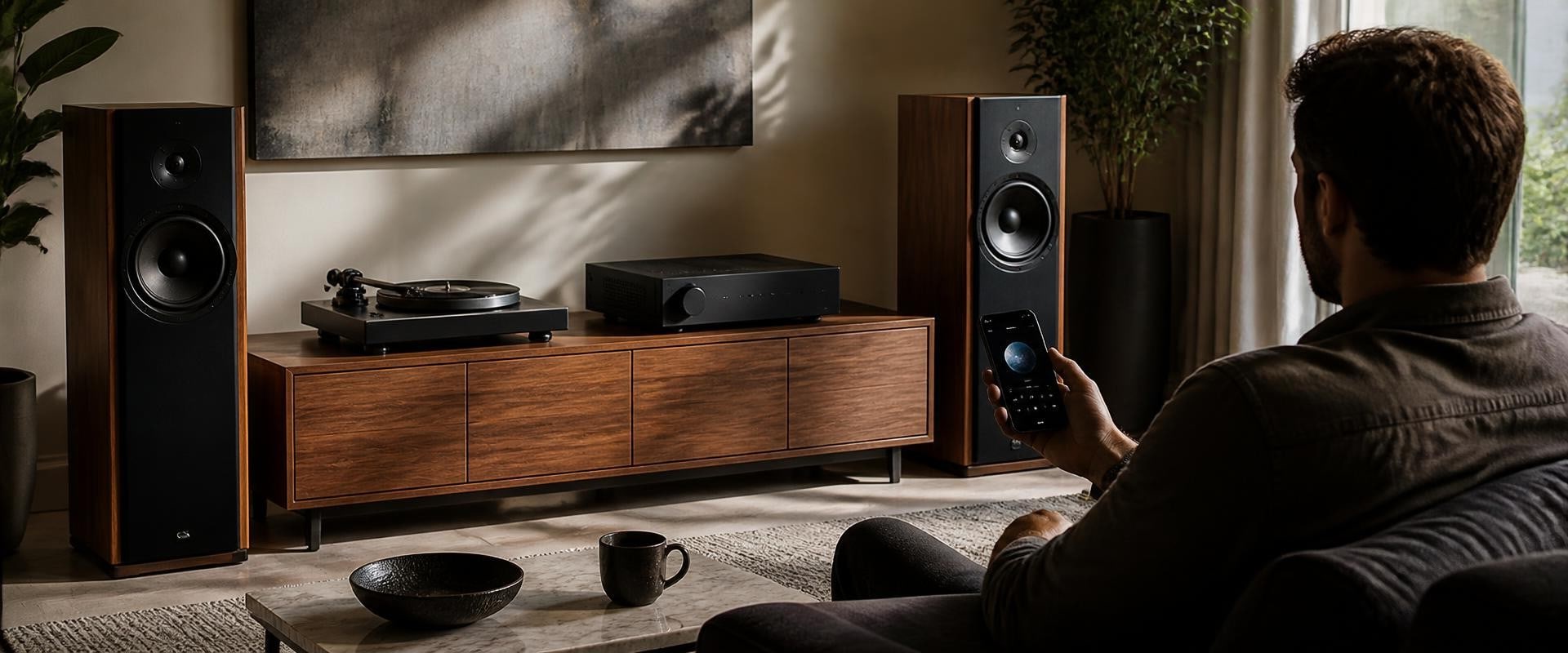
When it comes to enjoying music at home, understanding home audio systems is essential. These systems can transform your listening experience, allowing you to enjoy your favorite tracks with clarity and depth that standard speakers simply can't provide. A well-designed home audio system not only enhances sound quality but also integrates seamlessly with modern streaming technologies, making it easier than ever to access your music library. There are several types of home audio systems available, each catering to different preferences and needs. For instance, a stereo system typically consists of two speakers and a receiver, providing a straightforward setup for those who appreciate simplicity.
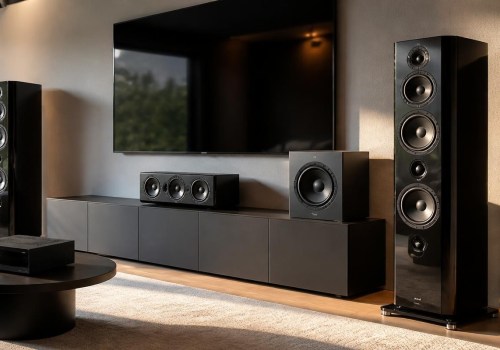
On the other hand, a multi-room audio system allows you to play music throughout your home, creating an immersive auditory environment. Additionally, home theater systems combine audio and visual elements for an enhanced entertainment experience, perfect for movie nights or gaming. Understanding the various audio system components is also crucial. Key elements include speakers, amplifiers, receivers, and source devices like streaming players or turntables. Each component plays a vital role in delivering high-quality sound.
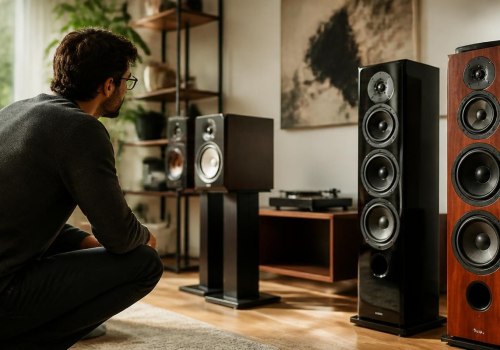
For example, speakers come in different types—such as bookshelf, floor-standing, or in-wall—each offering unique advantages depending on your space and listening habits. By familiarizing yourself with these components and their functions, you can make informed decisions that will elevate your music streaming experience.
Streaming Options for Home Audio Systems
When it comes to streaming music to your home audio system, there are several options available that cater to different preferences and setups. Understanding these options can help you choose the best solution for your needs.- Streaming Services: Numerous music streaming services offer vast libraries of songs, playlists, and personalized recommendations. Here are some of the most popular:
- Spotify: Known for its extensive library and user-friendly interface, Spotify allows users to create playlists, discover new music, and share tracks with friends.
It also offers a premium subscription for ad-free listening and offline downloads.
- Apple Music: This service integrates seamlessly with Apple devices and provides access to over 70 million songs. Apple Music also features curated playlists and radio stations tailored to your tastes.
- Amazon Music: With various tiers including a free version for Prime members, Amazon Music offers a wide selection of songs and playlists. Its integration with Alexa devices makes it a convenient choice for smart home setups.
- Tidal: For audiophiles, Tidal stands out with its high-fidelity audio quality and exclusive content. It’s an excellent option for those who prioritize sound quality in their home audio installation.
Device Compatibility:
When selecting a streaming service, consider the compatibility with your home audio system.
Many modern systems support Bluetooth, Wi-Fi, or even AirPlay, allowing you to stream directly from your smartphone or tablet.
Smart Speakers:
If you have smart speakers like Amazon Echo or Google Nest, they can serve as hubs for streaming music throughout your home. These devices often support multiple streaming services, making it easy to access your favorite tracks hands-free.
Multi-Room Audio Systems:
For those looking to enhance their listening experience, investing in a multi-room audio system can be beneficial. Systems like Sonos allow you to stream music in different rooms simultaneously, providing a cohesive audio experience throughout your home.
Ultimately, the best way to stream music to your home audio system depends on your specific needs and preferences. By exploring these options, you can find the perfect solution that enhances your listening experience.
Setting Up Your Home Audio Installation for Streaming
Setting up your home audio installation for streaming music can transform your listening experience, allowing you to enjoy high-quality sound from various sources.Follow these steps to ensure a seamless setup:
- Choose Your Streaming Device: Start by selecting a streaming device that suits your needs. Options include smart speakers, streaming media players, or even a dedicated audio receiver with built-in streaming capabilities.
- Connect to Your Home Network: Ensure your streaming device is connected to your home Wi-Fi network. This connection is crucial for accessing online music services like Spotify, Apple Music, or Tidal.
- Integrate with Your Audio System: If you’re using a separate audio receiver, connect it to your streaming device via HDMI, optical cable, or RCA cables. Make sure to select the correct input on your receiver for optimal sound quality.
- Install Necessary Apps: Download and install any required apps on your smartphone or tablet.
These apps will allow you to control playback and manage playlists directly from your device.
- Optimize Speaker Placement: For the best sound experience, position your speakers correctly. Ideally, they should be at ear level and spaced evenly apart to create a balanced soundstage.
- Tweak Audio Settings: Access the audio settings on your streaming device or app. Adjust equalizer settings to enhance bass, treble, and mid-range frequencies according to your preferences.
- Test Your Setup: Play different genres of music to evaluate sound quality and make adjustments as needed.
- Consider Multi-Room Audio: If you want music throughout your home, look into multi-room audio systems that allow you to stream music in different areas simultaneously.
- Stay Updated: Regularly check for firmware updates for your devices to ensure optimal performance and access to new features.
Connecting Devices to Your Home Audio System
Connecting your devices to your home audio system can significantly enhance your listening experience. Depending on your preferences and the capabilities of your audio equipment, there are several methods to achieve this: Bluetooth, Wi-Fi, and wired connections.Bluetooth Connection
One of the most convenient ways to connect devices is through Bluetooth.This wireless technology allows you to stream music directly from your smartphone, tablet, or laptop without the hassle of cables. To set up a Bluetooth connection:
- Ensure your audio system supports Bluetooth.
- Put your audio system in pairing mode, usually indicated by a blinking light.
- On your device, go to the Bluetooth settings and select your audio system from the list of available devices.
- Once connected, you can start streaming music instantly.
Wi-Fi Connection
If you prefer a more stable connection with higher audio quality, consider using a Wi-Fi connection. Many modern audio systems support streaming over Wi-Fi, which can also allow for multi-room audio setups. To connect via Wi-Fi:- Ensure both your audio system and device are connected to the same Wi-Fi network.
- Use an app compatible with your audio system (like Spotify or Apple Music) to select your speakers.
- Select the music you want to play, and it will stream directly through your home audio system.
Wired Connection
If you prefer a traditional approach or have concerns about wireless connectivity, a wired connection is a reliable option.This method typically involves using an auxiliary cable or RCA cables:
- Connect one end of the cable to the headphone jack of your device.
- The other end should be plugged into the corresponding input on your audio system.
- This method ensures a consistent sound quality without interference.
Optimizing Sound Quality in Your Home Audio Setup
To achieve the best listening experience in your home audio installation, optimizing sound quality is essential. Here are some effective techniques and tips to enhance your audio setup:- Speaker Placement: The positioning of your speakers can significantly affect sound quality. Aim to place them at ear level when seated and ensure they are equidistant from the primary listening area.
Avoid placing them too close to walls, as this can cause unwanted reflections and muddiness in the sound.
- Room Acoustics: The acoustics of your room play a crucial role in audio performance. Consider adding soft furnishings like rugs, curtains, and cushions to absorb excess sound reflections. You can also use acoustic panels to minimize echo and improve clarity.
- Quality Cables: Investing in high-quality speaker cables and interconnects can make a noticeable difference in audio fidelity. Look for cables that are well-shielded and have low resistance to ensure optimal signal transfer.
- Source Quality: The quality of the music files you stream or play is vital.
Opt for lossless formats such as FLAC or WAV instead of compressed formats like MP3 to preserve audio detail.
- Use a DAC: A Digital-to-Analog Converter (DAC) can enhance sound quality by providing a cleaner signal than built-in converters found in many devices. This is especially beneficial if you’re streaming music from a computer or mobile device.
Troubleshooting Common Streaming Issues
Streaming music to your home audio system can sometimes be a frustrating experience, especially when technical issues arise. Here are some common problems you might encounter and tips on how to troubleshoot them effectively.1.Poor Audio Quality
If you notice that the audio quality is lacking, it could be due to a weak Wi-Fi signal or bandwidth limitations.To improve this:
- Check your Wi-Fi connection: Ensure your router is functioning properly and positioned in a central location.
- Reduce interference: Keep other electronic devices away from your router and audio equipment.
- Upgrade your internet plan: If you frequently stream high-quality audio, consider a plan with higher bandwidth.
2.Connection Drops
Frequent disconnections can disrupt your listening experience. Here’s how to address this issue:- Restart your devices: Sometimes, simply rebooting your audio system and router can resolve connectivity issues.
- Update firmware: Ensure that both your streaming device and home audio system have the latest software updates installed.
- Use Ethernet: If possible, connect your streaming device directly to the router using an Ethernet cable for a more stable connection.
3.App Crashes or Freezes
If the music streaming app crashes or freezes, try these solutions:- Clear cache: Go into the app settings and clear the cache to free up memory.
- Reinstall the app: Uninstalling and reinstalling the app can fix bugs that may be causing issues.
- Check for updates: Make sure you are using the latest version of the app for optimal performance.
Future Trends in Home Audio Streaming
As technology continues to evolve, the future of home audio streaming is poised for significant advancements that will enhance user experience and audio quality. One of the most exciting trends is the rise of high-resolution audio streaming.Services like Tidal and Qobuz are already offering lossless audio formats, and as internet speeds improve, we can expect even more platforms to adopt this technology, allowing audiophiles to enjoy music as it was intended to be heard. Another trend gaining traction is the integration of smart home technology with audio systems. Voice-activated assistants such as Amazon Alexa and Google Assistant are becoming standard features in modern audio installations. This integration allows users to control their music with simple voice commands, making it easier than ever to enjoy a seamless listening experience throughout the home.
Innovations in Audio Systems
The development of multi-room audio systems is also transforming how we stream music at home. Systems like Sonos and Bose are leading the charge, enabling users to play different songs in different rooms or synchronize music across multiple spaces.This flexibility not only enhances the listening experience but also allows for personalized soundscapes tailored to individual preferences. Moreover, advancements in streaming protocols, such as Chromecast Audio and Apple AirPlay 2, are making it easier for devices to communicate with each other. These technologies facilitate high-quality streaming without compromising on sound fidelity, ensuring that your home audio installation remains at the forefront of innovation. Lastly, we can expect an increase in personalized music recommendations driven by artificial intelligence. As algorithms become more sophisticated, they will analyze listening habits and preferences to curate playlists that resonate with individual users. This level of personalization will not only enhance user satisfaction but also encourage exploration of new genres and artists. In conclusion, staying informed about these emerging trends in music streaming technology is essential for anyone looking to optimize their home audio installation.
By embracing these innovations, you can ensure that your system remains cutting-edge and continues to deliver an exceptional listening experience.