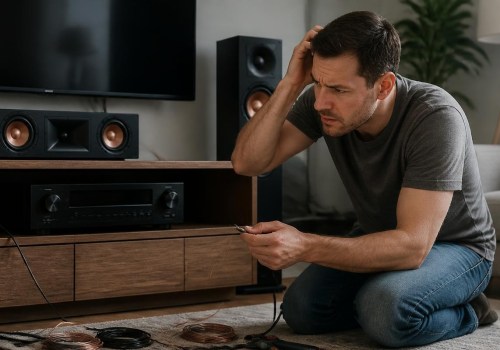
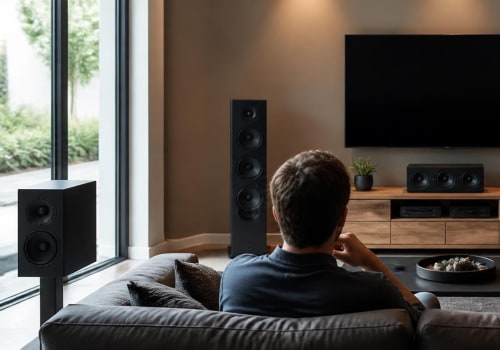
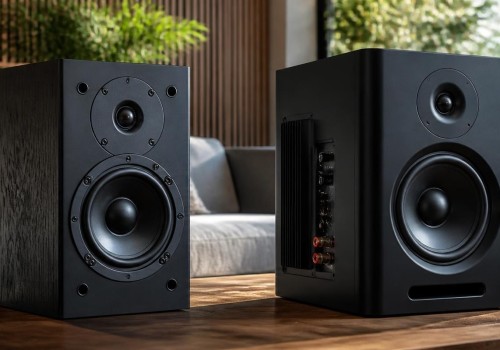
Understanding the Role of a Sound Engineer in Home Audio Installation
Discover how sound engineers enhance home audio installation for optimal sound quality and immersive experiences.

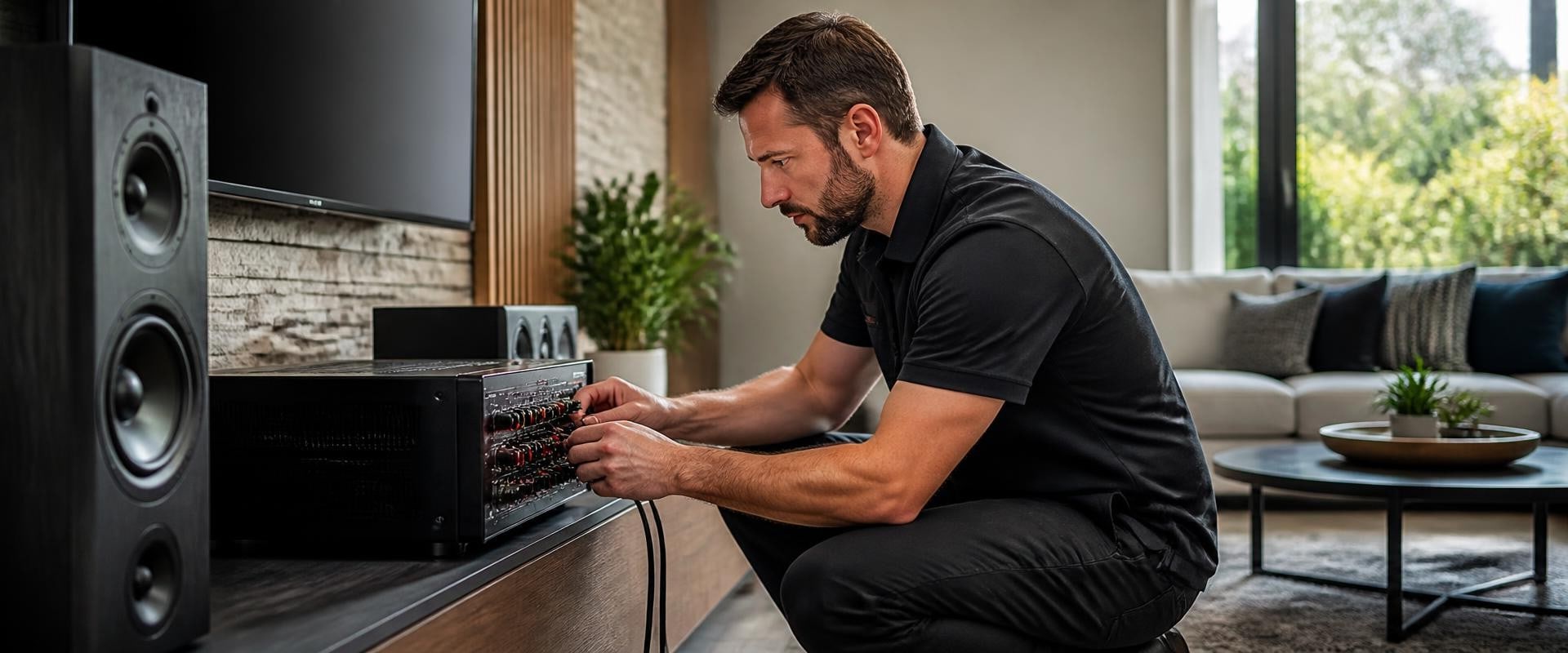
In today's world, where entertainment is increasingly centered around immersive experiences, home audio installation has become a vital aspect of creating the perfect atmosphere in any living space. Whether you're a movie buff seeking cinematic sound or a music lover wanting to fill your home with rich, vibrant audio, understanding the intricacies of audio setup is essential. This is where the expertise of a sound engineer comes into play, transforming your vision into reality. A sound engineer specializes in the technical aspects of audio production and installation, ensuring that every component of your home audio system works harmoniously. From selecting the right speakers and amplifiers to optimizing acoustics for your specific environment, their role is crucial in achieving optimal sound quality.
They possess the knowledge to navigate various challenges that may arise during installation, such as room dimensions, speaker placement, and wiring complexities. Moreover, a sound engineer not only focuses on the hardware but also on the software that drives modern audio systems. With advancements in technology, many home audio setups now incorporate smart devices and streaming capabilities. A skilled sound engineer can integrate these elements seamlessly, allowing for a user-friendly experience without compromising on sound fidelity. As we delve deeper into the role of a sound engineer in home audio installation, it becomes clear that their expertise is indispensable for anyone looking to elevate their auditory experience.
What is Home Audio Installation?
Home audio installation refers to the process of setting up a comprehensive audio system within a residential space, designed to deliver high-quality sound for various purposes such as music listening, home theater experiences, or multi-room audio distribution.This installation encompasses a range of components and requires careful planning to ensure optimal performance. At its core, a typical home audio system includes several key elements:
- Speakers: These are the primary output devices that convert electrical signals into sound. They come in various types, including floor-standing, bookshelf, and in-wall speakers.
- Amplifiers: Amplifiers boost the audio signal to drive the speakers effectively. They can be integrated into receivers or exist as standalone units.
- Receivers: A receiver acts as the central hub for your audio system, managing inputs from various sources like streaming devices, CD players, and televisions.
- Cables and Connectors: Quality cables and connectors are essential for transmitting audio signals without loss of quality. This includes speaker wires, HDMI cables, and optical cables.
- Source Devices: These include any device that plays audio content, such as smartphones, computers, or dedicated music players.
- Assessment: Evaluating the space to determine the best locations for speakers and equipment based on acoustics and aesthetics.
- Planning: Designing a layout that optimizes sound distribution while considering wiring routes and power sources.
- Installation: Physically setting up the equipment, which may involve mounting speakers, running cables, and connecting devices.
- Tuning: Adjusting settings on the receiver and speakers to achieve the desired sound quality tailored to the specific environment.
Understanding these components and processes lays the groundwork for appreciating the vital role of a sound engineer in achieving an exceptional audio setup.
The Role of a Sound Engineer in Home Audio Installation
A sound engineer plays a crucial role in home audio installation, ensuring that every component works harmoniously to deliver an exceptional listening experience. Their expertise encompasses a variety of responsibilities and tasks that are essential for the successful implementation of an audio system.- System Design: One of the primary responsibilities of a sound engineer is to design the audio system tailored to the specific needs of the home environment. This includes selecting appropriate equipment such as speakers, amplifiers, and receivers that match the acoustics of the space.
- Equipment Installation: Sound engineers are skilled in the physical installation of audio components. They ensure that all devices are correctly mounted, wired, and configured to optimize sound quality.
- Tuning and Calibration: After installation, a sound engineer will calibrate the system to achieve the best possible sound.
This involves adjusting settings such as equalization, speaker placement, and volume levels to suit the room's acoustics.
- Integration with Other Systems: In many homes, audio systems need to work seamlessly with other technologies like home theaters or smart home systems. A sound engineer ensures that all components communicate effectively, providing a cohesive user experience.
- Client Consultation: Throughout the process, sound engineers engage with clients to understand their preferences and requirements. This collaboration helps in making informed decisions about equipment choices and system design.
Key Skills and Qualifications of a Sound Engineer
To excel in home audio installation, a sound engineer must possess a unique blend of skills and qualifications that enable them to create optimal audio experiences.Here are some of the key attributes that define an effective sound engineer:
- Technical Proficiency: A sound engineer should have a deep understanding of audio equipment, including speakers, amplifiers, and mixing consoles. Familiarity with various audio formats and technologies is crucial for ensuring compatibility and performance.
- Acoustic Knowledge: Understanding acoustics is vital for sound engineers. They must know how sound behaves in different environments and how to manipulate it to achieve the best possible sound quality in a home setting.
- Problem-Solving Skills: Home audio installations often present unique challenges. A skilled sound engineer must be able to troubleshoot issues quickly and effectively, ensuring that the system operates smoothly.
- Attention to Detail: Precision is key in audio engineering.
Sound engineers must pay close attention to every aspect of the installation process, from speaker placement to cable management, to ensure optimal sound performance.
- Communication Skills: Working closely with clients is essential. A sound engineer should be able to explain technical concepts in layman's terms and understand the client's needs and preferences.
Common Challenges Faced by Sound Engineers in Home Audio Installation
Sound engineers play a crucial role in home audio installation, but they often face a variety of challenges that can complicate the process.Understanding these challenges not only highlights their expertise but also sheds light on the importance of their problem-solving skills.
- Room Acoustics: One of the primary challenges is dealing with the acoustics of the room. Every space has unique characteristics that can affect sound quality, such as wall materials, furniture placement, and ceiling height. Sound engineers must assess these factors and make adjustments to optimize audio performance.
- Equipment Compatibility: Ensuring that all components of the audio system work seamlessly together can be tricky. Different brands and models may have varying specifications, leading to potential compatibility issues.
Sound engineers often need to troubleshoot these problems by selecting appropriate equipment or using adapters.
- Cabling and Connectivity: Proper cabling is essential for a successful installation. Engineers must navigate through various cable types and lengths while avoiding interference from other electronic devices. This requires careful planning and sometimes creative solutions to ensure clean connections.
- User Preferences: Each client has unique preferences regarding sound quality and system functionality. Balancing these preferences with technical limitations can be challenging.
Sound engineers often conduct thorough consultations to understand client needs and tailor installations accordingly.
- Troubleshooting Audio Issues: Even after installation, issues may arise, such as unexpected noise or connectivity problems. Sound engineers must be adept at diagnosing these issues quickly and efficiently, often employing a systematic approach to identify the root cause.
The Importance of Collaboration with Other Professionals
In the realm of home audio installation, the role of a sound engineer extends far beyond just setting up equipment. A successful installation often hinges on effective collaboration with various professionals, including electricians, interior designers, and general contractors.This teamwork is essential to create a cohesive audio environment that meets the homeowner's expectations.
Working with Electricians
- Sound engineers must coordinate with electricians to ensure that the necessary power sources are available and correctly installed. This includes determining the best locations for outlets and ensuring that wiring meets safety standards.
- Proper grounding and circuit considerations are crucial to avoid interference and ensure optimal sound quality.
Collaboration with Interior Designers
- Interior designers play a vital role in the aesthetic aspect of home audio installations. Sound engineers need to work closely with them to integrate speakers and other audio components seamlessly into the home’s decor.
- This collaboration helps in selecting materials and finishes that not only look good but also enhance sound performance, such as acoustic panels or strategically placed furniture.
The Importance of Teamwork
- Effective communication among all parties involved is key. Regular meetings can help address any potential issues before they arise, ensuring that everyone is on the same page regarding timelines and expectations.
- A collaborative approach allows for creative solutions to challenges that may occur during the installation process, ultimately leading to a more satisfying outcome for the homeowner.
By working together, they can create an audio experience that not only sounds great but also fits harmoniously within the home environment.
FAQs About Sound Engineers and Home Audio Installation
When considering home audio installation, many people have questions about the role of a sound engineer. Here are some frequently asked questions that can help clarify their responsibilities and the overall process.- What does a sound engineer do in home audio installation?
A sound engineer is responsible for designing, setting up, and optimizing audio systems to ensure high-quality sound reproduction. They assess the space, select appropriate equipment, and configure settings to achieve the best audio experience. - Do I need a sound engineer for my home audio system?
While it’s possible to install a home audio system on your own, hiring a sound engineer can significantly enhance the quality of your setup. Their expertise ensures that all components work harmoniously and that the acoustics of your space are taken into account. - How much does it cost to hire a sound engineer?
The cost of hiring a sound engineer varies based on factors such as location, project complexity, and the engineer's experience.On average, you might expect to pay anywhere from $50 to $150 per hour.
- What should I look for in a sound engineer?
When selecting a sound engineer for your home audio installation, consider their experience with residential projects, client reviews, and their ability to communicate effectively about your specific needs. - Can a sound engineer help with troubleshooting?
Yes, sound engineers are skilled at diagnosing and resolving issues within audio systems. If you encounter problems with your setup, they can provide valuable insights and solutions.
Conclusion: The Essential Role of Sound Engineers in Home Audio Installation
In conclusion, the role of a sound engineer in home audio installation is pivotal for achieving an immersive and high-quality listening experience. Throughout this article, we have explored various aspects of how sound engineers contribute to the design, setup, and optimization of audio systems in residential settings.Key Contributions of Sound Engineers:
- System Design: Sound engineers assess the unique acoustics of a home environment, ensuring that the audio system is tailored to fit the specific needs and preferences of the homeowner.
- Equipment Selection: They possess extensive knowledge of audio equipment, enabling them to recommend and source the best components that align with the desired sound quality and budget.
- Installation Expertise: With their technical skills, sound engineers ensure that all equipment is installed correctly, minimizing potential issues such as interference or suboptimal sound distribution.
- Tuning and Calibration: After installation, sound engineers fine-tune the system to achieve optimal performance, adjusting settings to compensate for room acoustics and personal preferences.
By collaborating with a sound engineer, homeowners can transform their living spaces into personalized audio havens that deliver exceptional sound quality. Ultimately, investing in a professional sound engineer for home audio installation is a decision that pays off in terms of both performance and satisfaction. Their specialized knowledge ensures that every note is crisp, every beat resonates, and every moment spent enjoying music or movies is truly unforgettable.