Understanding How Room Size Affects Home Audio Performance
Discover how room size affects home audio installation and performance. Optimize your listening experience with expert tips and insights.

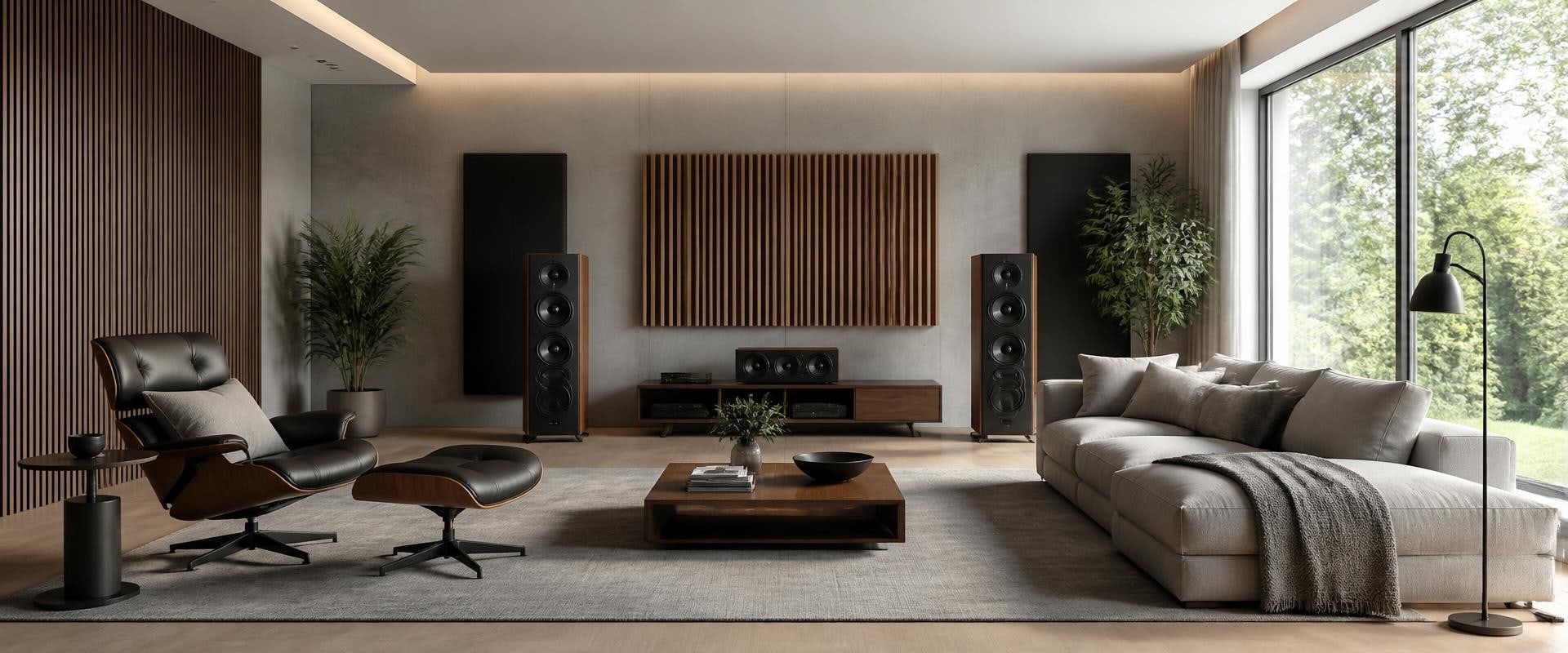
The relationship between room size and audio quality is a critical consideration for anyone looking to optimize their home audio installation. The dimensions of a room can significantly influence how sound waves interact with the environment, affecting everything from clarity to bass response. In smaller rooms, sound waves may bounce off walls more frequently, leading to potential issues like echo and muddiness. Conversely, larger spaces can provide a more open soundstage but may also introduce challenges such as sound dispersion and loss of bass impact. Understanding how room dimensions affect sound performance is essential for achieving the best listening experience.
For instance, a room that is too small may not allow for adequate speaker placement, which can hinder the stereo imaging and overall balance of the audio. On the other hand, excessively large rooms might require additional acoustic treatments to manage sound reflections and ensure that the audio remains cohesive. This interplay between room size and audio quality underscores the importance of thoughtful planning in any home audio installation. Moreover, factors such as ceiling height, furniture placement, and even wall materials can further complicate this relationship. A well-designed audio setup takes into account these variables to create an immersive listening environment.
By recognizing how different room sizes impact sound performance, homeowners can make informed decisions about their audio systems, ensuring that they achieve the best possible results tailored to their specific space.
How Room Dimensions Influence Sound Waves
The dimensions of a room play a crucial role in the performance of home audio installations. Understanding how sound waves interact with different room sizes can significantly enhance your listening experience. Sound waves travel through the air and can be affected by the physical characteristics of the space they occupy.Reflection
is one of the primary ways sound waves interact with room dimensions. When sound waves hit hard surfaces like walls, ceilings, and floors, they bounce back into the room.In smaller rooms, this can lead to an accumulation of sound, creating a phenomenon known as room modes. These modes can cause certain frequencies to be amplified or diminished, leading to an uneven audio experience.
On the other hand, larger rooms tend to allow for better sound dispersion. The increased space enables sound waves to travel further before reflecting back, which can help in achieving a more balanced audio performance. However, if a room is too large, it may introduce issues such as echo and delay, which can muddy the clarity of the audio.
Absorption
is another critical factor influenced by room size.Soft furnishings like carpets, curtains, and upholstered furniture can absorb sound waves, reducing reflections and enhancing clarity. In smaller rooms, these absorptive materials can help mitigate the effects of excessive reflections. Conversely, larger spaces may require more strategic placement of absorptive materials to achieve optimal acoustics.
Diffusion
, or the scattering of sound waves, is also essential for creating a rich audio environment. In smaller rooms, adding diffusive elements such as bookshelves or specially designed acoustic panels can help break up standing waves and improve overall sound quality.In larger rooms, diffusion becomes even more critical to prevent sound from becoming overly focused in certain areas. In summary, understanding how room dimensions influence sound waves is vital for effective home audio installation. By considering factors like reflection, absorption, and diffusion based on your specific room size, you can create an audio environment that maximizes performance and enhances your listening experience.
Optimal Room Sizes for Home Audio Installation
When considering home audio installation, the size and shape of your room play a crucial role in determining audio performance. Different setups, such as home theaters and dedicated music listening rooms, have varying optimal dimensions that can significantly enhance sound quality.Optimal Room Sizes for Home Theaters
For a home theater, the ideal room size typically ranges from 200 to 300 square feet. This size allows for a balance between sound reflection and absorption, creating an immersive experience.A common recommendation is to aim for dimensions of approximately 15 feet by 20 feet, which provides enough space for seating arrangements while maintaining effective sound distribution.
Best Dimensions for Music Listening Rooms
In contrast, music listening rooms benefit from slightly different dimensions. A rectangular room with a ratio of 1:1.5:2 (width: length: height) is often considered optimal. For example, a room measuring 12 feet by 18 feet with a ceiling height of around 9 feet can create an acoustically pleasing environment. This ratio helps minimize standing waves and enhances clarity in sound reproduction.Considerations for Smaller Spaces
If you're working with a smaller area, such as a 10 by 12-foot room, consider using acoustic treatments like bass traps and diffusers to improve sound quality.While smaller rooms may pose challenges due to reflections and resonances, strategic placement of speakers and furniture can mitigate these issues.
Conclusion
Ultimately, the best dimensions for your home audio installation will depend on your specific needs and preferences. Whether you’re setting up a home theater or a music listening space, understanding the impact of room size on audio performance is essential for achieving the best sound experience possible.Common Challenges in Small vs. Large Rooms
When it comes to home audio installation, the size of the room plays a crucial role in determining audio performance. Both small and large rooms present unique challenges that can significantly affect sound quality.Challenges in Small Rooms
In smaller spaces, one of the primary issues is sound reflection.The close proximity of walls can cause sound waves to bounce back quickly, leading to a phenomenon known as flutter echo. This can muddle audio clarity and create an uneven listening experience. Additionally, small rooms often suffer from bass buildup, where low-frequency sounds resonate excessively, resulting in a boomy or muddy sound.
- Solution: To mitigate these issues, consider using acoustic panels to absorb excess reflections and bass traps to control low-frequency buildup. Positioning speakers away from walls can also help improve sound dispersion.
Challenges in Large Rooms
Conversely, large rooms face their own set of challenges.One significant issue is sound dispersion. In expansive spaces, sound waves can dissipate before reaching the listener, leading to a lack of impact and clarity. Additionally, larger rooms may introduce phase cancellation, where sound waves from different speakers interfere with each other, causing certain frequencies to be diminished or lost.
- Solution: To enhance audio performance in large rooms, strategically placing speakers and using multiple subwoofers can help ensure even sound coverage. Employing a calibrated equalizer can also assist in addressing frequency imbalances caused by room acoustics.
By addressing the specific issues related to room size during your home audio installation, you can create a more immersive and enjoyable listening experience.
Acoustic Treatments for Different Room Sizes
When it comes to home audio installation, the size of the room plays a crucial role in determining the overall sound quality. Different room sizes require tailored acoustic treatments to optimize audio performance. Here, we explore effective solutions for both small and large spaces.Acoustic Treatment for Small Rooms
In smaller rooms, sound waves can easily bounce off walls, leading to unwanted echoes and muddiness in audio playback. To combat these issues, consider the following treatments:- Acoustic Panels: Installing acoustic panels on walls can significantly reduce reflections and improve clarity.
These panels absorb sound energy, preventing it from bouncing around the room.
- Bass Traps: Low-frequency sounds tend to build up in corners. Adding bass traps can help manage these frequencies, resulting in a more balanced sound.
- Rugs and Curtains: Soft furnishings like rugs and heavy curtains can also absorb sound, making them an easy and effective solution for small spaces.
Acoustic Solutions for Large Spaces
Larger rooms present their own challenges, such as sound dispersion and echo. Here are some effective treatments for enhancing audio performance in expansive areas:- Diffusers: Unlike absorptive materials, diffusers scatter sound waves evenly throughout the space, reducing harsh reflections while maintaining liveliness in the audio.
- Zoning: Creating distinct zones within a large room can help manage sound distribution. Use furniture or partitions to define areas where sound can be optimized.
- Ceiling Treatments: High ceilings can lead to excessive reverberation.
Installing acoustic tiles or panels on the ceiling can help control this effect.
The Role of Furniture and Layout in Audio Performance
When it comes to home audio installation, the arrangement of furniture and the overall layout of a room play a crucial role in determining sound quality. The way sound waves interact with various surfaces can either enhance or diminish your listening experience. Here are some key considerations for optimizing your audio performance through thoughtful furniture placement.- Speaker Placement: Position your speakers at ear level when seated, ideally forming an equilateral triangle with your listening position.
This setup allows for a balanced soundstage and clearer audio.
- Avoiding Obstacles: Ensure that there are no large pieces of furniture obstructing the path between your speakers and the listening area. Items like bookshelves or cabinets can absorb or reflect sound waves, leading to muddied audio.
- Soft Furnishings: Incorporate soft furnishings such as rugs, curtains, and upholstered furniture. These materials can help absorb excess sound reflections, reducing echoes and improving clarity.
- Room Symmetry: Aim for a symmetrical layout where possible. Uneven arrangements can lead to uneven sound distribution, causing certain frequencies to be amplified or diminished.
- Listening Position: Experiment with your seating arrangement.
Sometimes, simply moving your couch or chairs a few inches can significantly impact how sound is perceived in the room.
FAQs About Room Size and Home Audio Installation
When considering home audio installation, many homeowners wonder how room size affects sound quality.Here are some frequently asked questions that can help clarify this important aspect:
- How does room size impact sound quality?
The size of a room significantly influences how sound waves travel and interact. In smaller rooms, sound can become muddled due to reflections and standing waves, while larger spaces may allow for better sound dispersion but can also lead to echoes if not treated properly. - What are the best practices for home audio installation in different room sizes?
- For small rooms, consider using acoustic panels to minimize reflections.
- In larger spaces, strategically placing speakers away from walls can enhance sound clarity.
- Always test speaker placement before finalizing your setup to find the optimal position for your specific room dimensions. - Can I improve audio performance in a poorly sized room?
Yes! Utilizing soundproofing materials, adjusting speaker placement, and incorporating furniture can help mitigate issues caused by room size. Additionally, using a subwoofer can enhance bass response, making the audio experience more enjoyable. - What common mistakes should I avoid during home audio installation?
- Avoid placing speakers too close to walls or corners, as this can distort sound.
- Don’t overlook the importance of room acoustics; neglecting this can lead to poor audio performance regardless of equipment quality.
- Ensure that your audio equipment is compatible with the size of your room; oversized speakers in a small space can overwhelm the acoustics.
Conclusion: Key Takeaways on Room Size and Audio Performance
In conclusion, the impact of room size on home audio installation cannot be overstated. Throughout this article, we have explored how various dimensions and characteristics of a room can significantly influence audio performance.Here are the key takeaways:
- Room Dimensions Matter: The size of your room directly affects sound waves. Larger rooms may require more powerful speakers or additional subwoofers to fill the space adequately, while smaller rooms can often achieve optimal sound with less equipment.
- Acoustic Treatment is Essential: Regardless of room size, implementing acoustic treatments such as sound-absorbing panels or bass traps can enhance audio clarity and reduce unwanted echoes. This is particularly important in larger spaces where sound can bounce off walls.
- Speaker Placement is Crucial: The positioning of speakers in relation to the room's dimensions plays a vital role in achieving balanced sound. Experimenting with placement can help mitigate issues caused by room size, such as standing waves or dead spots.
- Listening Position: The ideal listening position should be carefully considered based on the room's layout.
In larger rooms, creating a dedicated listening area can help focus sound and improve overall audio experience.