Essential Considerations for Designing Your Home Audio Installation Layout
Discover essential factors for designing your home audio installation layout to enhance your listening experience and sound quality.

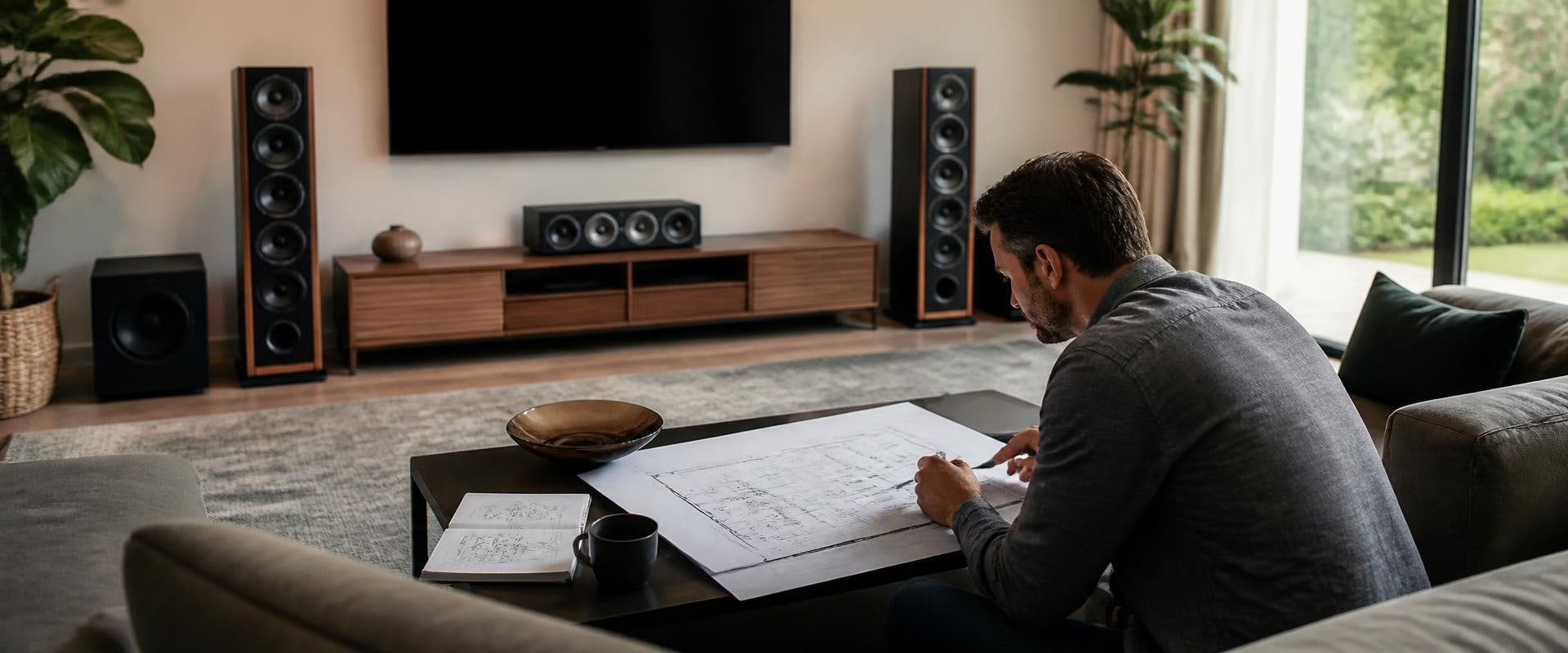
When it comes to creating an immersive listening experience in your home, home audio installation plays a pivotal role. The right audio layout can transform your living space into a personal concert hall or a cinematic paradise, allowing you to enjoy music and movies like never before. However, achieving this level of sound quality requires careful planning and consideration of various factors that influence the overall effectiveness of your home sound system. Understanding the intricacies of audio layout is essential for anyone looking to enhance their home entertainment experience. From speaker placement to room acoustics, each element contributes to how sound travels and is perceived within your space.
For instance, the dimensions of your room, the materials used in construction, and even the furniture arrangement can significantly impact sound quality. By taking these factors into account, you can design a layout that not only meets your aesthetic preferences but also maximizes audio performance. Moreover, with advancements in technology, there are now more options than ever for customizing your home audio installation. Whether you prefer a simple stereo setup or a complex multi-room system, understanding the fundamentals of audio layout will empower you to make informed decisions that align with your lifestyle and listening habits. As we delve deeper into this topic, we will explore the key considerations that will help you create an exceptional audio environment tailored to your needs.
Assessing Your Space
When planning your home audio installation, the first step is to thoroughly assess your space.Understanding the dimensions and characteristics of the room where you intend to set up your audio system is crucial for achieving optimal sound quality.Room Size and Shape The size of your room plays a significant role in determining the type and number of speakers you should use. Larger rooms may require more powerful speakers or additional units to fill the space adequately, while smaller rooms might benefit from compact speakers that can deliver high-quality sound without overwhelming the area. Additionally, consider the shape of the room; irregularly shaped spaces can create sound reflections that may distort audio quality.Acoustics Acoustic properties are another vital factor in your home audio installation. Hard surfaces like tile or hardwood floors can lead to excessive echo, while soft furnishings such as carpets, curtains, and upholstered furniture can help absorb sound and reduce reverberation.
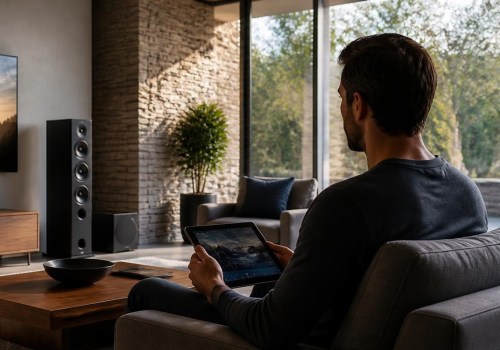
To evaluate your room's acoustics, try clapping your hands in different areas to listen for echoes. If you notice significant echoing, you may need to incorporate acoustic treatments like wall panels or bass traps to enhance sound clarity.Speaker Placement Once you've assessed the room size and acoustics, the next step is determining optimal speaker placement. Ideally, speakers should be positioned at ear level when seated and arranged in a way that creates an equilateral triangle between the listener and the speakers. This setup helps ensure a balanced soundstage.
Avoid placing speakers too close to walls or corners, as this can lead to unwanted bass buildup and muddiness in sound. In summary, evaluating your space involves considering room size, shape, existing acoustics, and strategic speaker placement. By taking these factors into account, you can create a home audio installation that delivers an immersive listening experience tailored to your environment.
Choosing the Right Equipment
When it comes to home audio installation, selecting the right equipment is crucial for achieving the best sound experience. The choices can be overwhelming, but understanding the different types of audio equipment available can help streamline your decision-making process.Speakers
Speakers are the heart of any audio system. They come in various types, including:- Floor-standing speakers: Ideal for larger rooms, these speakers deliver powerful sound and can fill a space with rich audio.
- Bookshelf speakers: Compact and versatile, bookshelf speakers are perfect for smaller spaces while still providing excellent sound quality.
- In-wall and in-ceiling speakers: These options save space and offer a clean aesthetic, making them suitable for modern home designs.
Receivers
The receiver acts as the control center for your audio system.It processes audio signals and powers your speakers. When selecting a receiver, look for:
- Power output: Ensure the receiver has enough wattage to drive your chosen speakers effectively.
- Connectivity options: Modern receivers should support various inputs like HDMI, optical, and Bluetooth for seamless integration with other devices.
- Multi-room capabilities: If you plan to expand your system in the future, consider a receiver that supports multi-room audio.
Soundbars
If you're looking for a more compact solution without sacrificing sound quality, a soundbar might be the right choice. Soundbars are sleek and easy to install, making them ideal for smaller spaces or as an upgrade to your TV's built-in speakers. When choosing a soundbar, consider:- Sound quality: Look for models that offer virtual surround sound or additional subwoofers for enhanced bass.
- Smart features: Many soundbars now come with built-in voice assistants or streaming capabilities.
Take the time to research and listen to different options before making a final decision to ensure your home audio installation meets your expectations.
Speaker Placement Strategies
When it comes to home audio installation, the placement of your speakers is crucial for achieving the best sound quality. Here are some effective strategies to consider:General Speaker Placement Tips
- Room Size and Shape: The dimensions of your room will significantly influence speaker placement. In larger rooms, you may need to position speakers further apart to fill the space effectively.
- Listening Position: Always consider where you will be sitting. Ideally, speakers should form an equilateral triangle with your main listening position.
- Height Matters: For optimal sound, place speakers at ear level when seated.
This ensures that sound waves reach your ears directly without obstruction.
Surround Sound Setup
- 5.1 and 7.1 Configurations: In a 5.1 setup, place the center speaker directly in front of the listening area, while the left and right speakers should be positioned at a 30-degree angle from the center. For a 7.1 setup, add two rear speakers behind the listening position for a more immersive experience.
- Subwoofer Placement: The subwoofer can be placed in various locations, but corner placement often enhances bass response. Experiment with different positions to find what works best for your room.
Stereo Configuration
- Left and Right Speakers: In a stereo setup, ensure that the left and right speakers are equidistant from the listening position and angled slightly towards it for better soundstage.
- Avoiding Obstacles: Keep speakers away from walls and furniture that could obstruct sound waves. This helps in reducing reflections that can muddy the audio quality.
Wiring and Connectivity Options
When planning your home audio installation, one of the most critical aspects to consider is the wiring and connectivity options.The choice between wired and wireless connections can significantly impact both the performance and convenience of your audio system.
Wired Connections
Wired connections typically offer superior sound quality and reliability. They are less susceptible to interference from other electronic devices, ensuring a consistent audio experience. Common wiring options include:- Speaker Wire: Essential for connecting speakers to an amplifier or receiver, available in various gauges.
- RCA Cables: Used for connecting audio components, providing a solid connection for high-fidelity sound.
- HDMI Cables: Ideal for home theater setups, capable of transmitting both audio and video signals.
Consider using cable conduits or raceways to hide wires along walls or baseboards.
Wireless Connections
Wireless connections, on the other hand, offer flexibility and ease of installation. They eliminate the need for extensive wiring, allowing you to place speakers in various locations without being tethered by cables. Popular wireless technologies include:- Bluetooth: Great for streaming music from mobile devices but may have limitations in range and sound quality.
- Wi-Fi: Provides a more stable connection with higher audio fidelity, suitable for multi-room setups.
- Zigbee or Z-Wave: Often used in smart home systems, these protocols allow for seamless integration with other smart devices.
By carefully considering these wiring options, you can create an efficient and effective home audio installation.
Acoustic Treatments for Enhanced Sound Quality
When it comes to home audio installation, achieving optimal sound quality is not solely about selecting the right equipment; it also involves understanding and implementing effective acoustic treatments. These treatments can significantly enhance your listening experience by addressing issues related to sound reflection, absorption, and diffusion.Understanding Room Acoustics
The acoustics of a room can greatly influence how sound is perceived. Factors such as room size, shape, and the materials used in construction all play a role. For instance, hard surfaces like concrete or glass can create unwanted echoes, while soft furnishings can help absorb sound.
To improve room acoustics, consider the following:
- Acoustic Panels: Installing these on walls can help absorb excess sound waves, reducing echo and improving clarity.
- Bass Traps: These are essential for controlling low-frequency sounds that can muddy your audio experience. Placing them in corners where bass tends to accumulate can make a significant difference.
- Diffusers: Unlike absorbers, diffusers scatter sound waves, helping to create a more balanced sound field throughout the room.
Soundproofing Techniques
If you want to prevent sound from escaping or entering your listening space, effective soundproofing is crucial. Here are some techniques to consider:
- Sealing Gaps: Use acoustic caulk to seal gaps around doors and windows to minimize sound leakage.
- Heavy Curtains: Thick curtains not only enhance aesthetics but also provide additional sound insulation.
- Rugs and Carpets: Adding rugs or carpets can help absorb sound and reduce reflections from hard floors.
Integrating Smart Technology into Your Audio System
Incorporating smart technology into your home audio installation can significantly enhance both functionality and convenience.With the rise of smart home audio systems, homeowners can enjoy seamless integration with other smart devices, creating a cohesive and intuitive environment.
Voice Control Integration
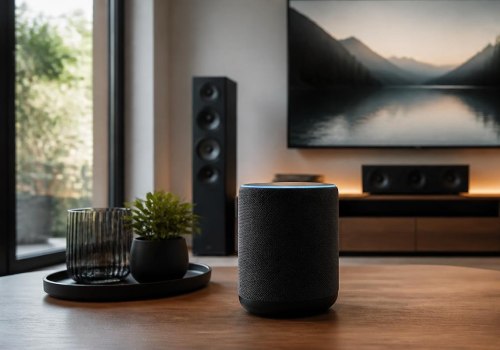
- One of the most appealing features of modern audio systems is voice control integration. Systems compatible with virtual assistants like Amazon Alexa, Google Assistant, or Apple Siri allow users to control their audio experience hands-free.
- Imagine simply saying, "Play my favorite playlist" or "Turn up the volume in the living room" without needing to reach for a remote or smartphone.
- This level of convenience not only enhances user experience but also makes it easier for everyone in the household to interact with the system.
Automation Features
- Automation features are another key aspect of integrating smart technology into your audio layout. With automation, you can set schedules for your audio system to turn on or off at specific times, or even adjust settings based on your daily routines.
- For instance, you might program your system to play soft music in the morning to help wake you up gently, then switch to more upbeat tunes as you prepare for the day.
- Additionally, many smart audio systems allow for multi-room audio setups, enabling you to control different zones of sound throughout your home from a single app.
Testing and Fine-Tuning Your Setup
Once your home audio installation is complete, the next crucial step is testing and fine-tuning your setup to achieve the best possible sound quality.This process involves several methods and adjustments that can significantly enhance your audio experience.
Audio Testing Methods
Begin by using a variety of audio tracks that cover different genres and sound profiles. This will help you identify how your system performs across a spectrum of frequencies. Pay attention to:- Clarity: Ensure vocals and instruments are distinct and clear.
- Balance: Check that no frequency range overpowers another, leading to a muddy sound.
- Dynamic Range: Listen for the contrast between soft and loud passages.
Fine-Tuning Sound Settings
After initial testing, it’s time to adjust your settings. Most modern audio systems come with equalizers that allow you to tweak specific frequency bands.Here are some tips for fine-tuning:
- Adjust Bass and Treble: If bass sounds overwhelming, reduce it slightly. Conversely, if treble feels lacking, increase it until you find a comfortable balance.
- Room Calibration: Many systems offer automatic room calibration features that analyze your space and adjust settings accordingly. Utilize this feature for optimal results.
- Speaker Placement: Experiment with speaker positioning. Moving them closer to walls or corners can enhance bass response, while angling them towards the listening area can improve clarity.
Optimizing Your Audio Experience
The final step in perfecting your home audio setup is to consider the overall environment.Factors such as room acoustics, furniture placement, and even wall materials can impact sound quality. Here are some strategies:
- Add Acoustic Treatments: Use rugs, curtains, or acoustic panels to minimize sound reflections and improve clarity.
- Avoid Clutter: Keep the area around your speakers clear of obstacles that could interfere with sound dispersion.
- Regularly Reassess: As you change furniture or add new equipment, revisit your settings to ensure they still provide the best audio experience.
Common Mistakes to Avoid in Home Audio Installation
When it comes to home audio installation, avoiding common mistakes can significantly enhance your listening experience. Here are some pitfalls to watch out for:- Ignoring Room Acoustics: One of the most frequent errors is neglecting the acoustics of the room. Hard surfaces can create echoes, while soft furnishings can absorb sound.
Consider using rugs, curtains, and wall treatments to improve sound quality.
- Improper Speaker Placement: Placing speakers too close to walls or in corners can lead to distorted sound. Aim for a triangular setup where the speakers and listening position form an equilateral triangle for optimal sound distribution.
- Overlooking Wiring Needs: Many installers underestimate the importance of quality wiring. Using subpar cables can lead to signal loss and degraded audio quality. Invest in high-quality speaker wires and ensure they are appropriately rated for your system.
- Neglecting Power Supply: A common oversight is not considering the power supply's capacity.
Ensure that your electrical outlets can handle the load of your audio equipment to avoid interruptions or damage.
- Skipping Calibration: Failing to calibrate your audio system can result in unbalanced sound. Use calibration tools or hire a professional to ensure that all speakers are properly tuned to your room's acoustics.
- Check Connections: Loose or faulty connections can lead to poor sound quality. Regularly inspect all cables and connectors.
- Test Different Sources: If you experience audio dropouts, try different input sources to determine if the issue lies with a specific device.
- Adjust Settings: Sometimes, simple adjustments in your receiver settings can resolve sound issues. Experiment with equalizer settings and surround sound configurations.
Conclusion: Crafting Your Ideal Home Audio Experience
In conclusion, designing a home audio installation that meets your needs and preferences requires careful consideration of several key factors.By taking the time to evaluate your space, budget, and personal listening habits, you can create an audio environment that enhances your overall experience.First and foremost , understanding the layout of your room is crucial. The dimensions, shape, and acoustics of the space will significantly influence sound quality. Consider how furniture placement and wall materials can affect sound waves. For instance, soft furnishings can absorb sound, while hard surfaces may reflect it, creating echoes.Next , selecting the right equipment is essential.
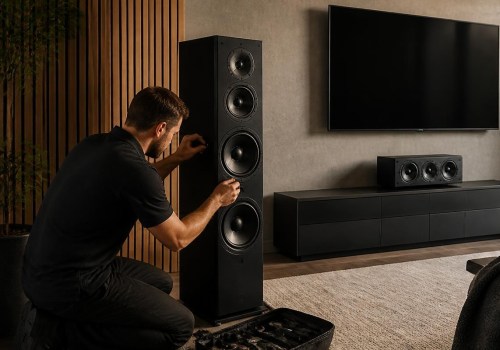
Invest in quality speakers and receivers that suit your listening preferences, whether you enjoy music, movies, or gaming. Research various brands and models to find the best fit for your audio needs.Additionally , think about the connectivity options available in your home audio installation. With the rise of smart home technology, consider systems that allow for wireless streaming and integration with other devices. This flexibility can enhance your listening experience and make it more convenient. Finally, don’t underestimate the importance of professional installation.
While DIY setups can be tempting, enlisting the help of experts can ensure optimal placement and configuration of your audio system. They can provide valuable insights into achieving the best sound quality tailored to your specific environment. By considering these factors—room layout, equipment selection, connectivity options, and professional installation—you can craft a home audio experience that not only meets but exceeds your expectations. Take the time to plan carefully, and you’ll enjoy a rich auditory landscape that transforms how you enjoy music and entertainment in your home.