Selecting the Perfect Speakers for Your Home Audio System
Discover how to select the perfect speakers for your home audio installation, enhancing your listening experience with expert tips.

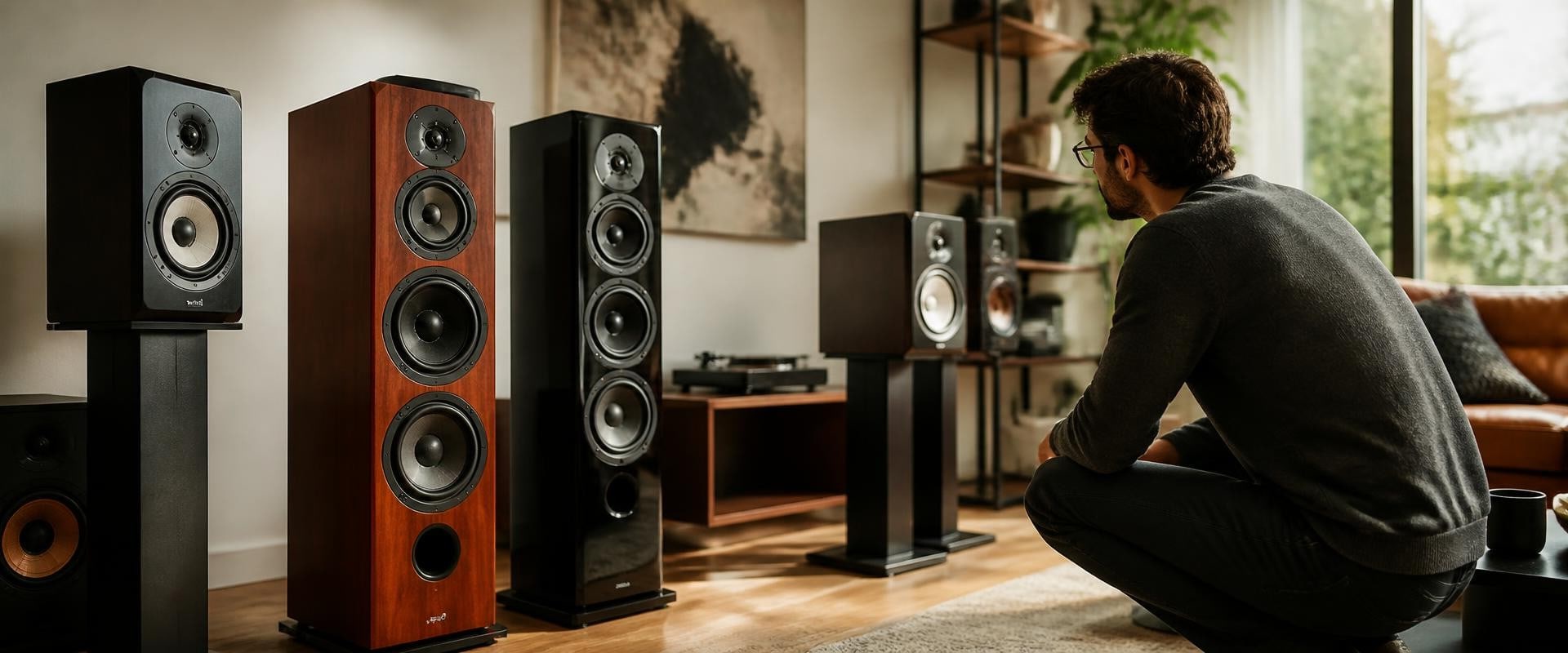
Choosing the right speakers for your home audio installation begins with a clear understanding of your unique audio needs. Every listener has different preferences, whether you enjoy the crisp highs of classical music, the deep bass of hip-hop, or the immersive soundscapes of movies. Identifying these preferences is crucial, as it will guide you in selecting speakers that not only fit your space but also enhance your listening experience. Start by considering the types of audio content you consume most frequently. Are you an avid movie watcher who craves surround sound, or do you primarily listen to music? This distinction will help you determine whether you need bookshelf speakers, floor-standing models, or perhaps a soundbar for a more compact solution.
Additionally, think about the size of your room and how sound travels within it; larger spaces may require more powerful speakers to fill the area effectively. Another important factor is your audio preferences. Do you prefer a balanced sound profile, or are you drawn to specific frequencies? Some speakers are designed to emphasize bass, while others provide a more neutral sound. Listening to different speaker types in person can be invaluable; visiting an audio store allows you to compare how various models perform with your favorite tracks. Ultimately, understanding your audio needs will empower you to make an informed decision that elevates your home audio experience.
Types of Speakers Available
When it comes to home audio installation, understanding the different types of speakers available is crucial for achieving the best sound experience.Each type of speaker serves a unique purpose and can significantly impact the overall audio quality of your system.
Bookshelf Speakers
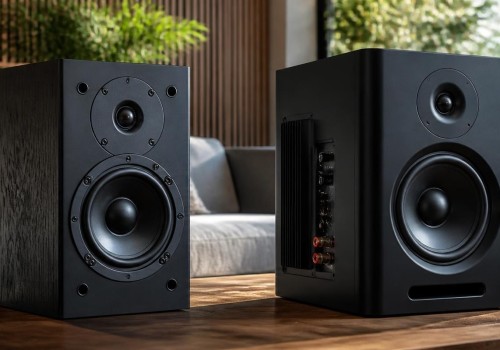
Bookshelf speakers are compact and versatile, making them ideal for smaller spaces or as part of a multi-room audio setup. They can be placed on shelves, stands, or even mounted on walls. Despite their size, many bookshelf speakers deliver impressive sound quality and can handle a wide range of frequencies. They are perfect for casual listening or as part of a more extensive home theater system.Floor-Standing Speakers
If you're looking for powerful sound and deep bass, floor-standing speakers are an excellent choice.These larger speakers are designed to stand on the floor and typically feature multiple drivers that enhance sound clarity and depth. They are well-suited for larger rooms and can fill the space with rich audio, making them ideal for movie nights or music listening sessions.
Soundbars
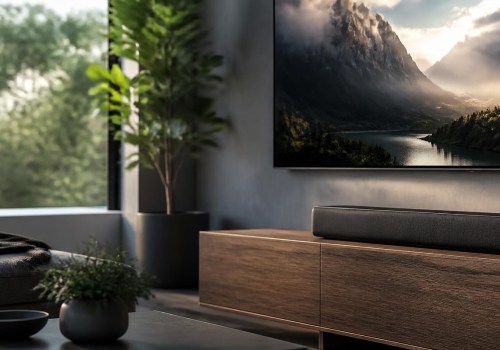
Soundbars have gained popularity due to their sleek design and ease of installation. They are a great option for those who want to enhance their TV's audio without cluttering their space with multiple speakers. Soundbars often come with built-in subwoofers and can simulate surround sound, providing an immersive experience for movies and gaming.Subwoofers
No home audio system is complete without a subwoofer.These specialized speakers focus on low-frequency sounds, delivering deep bass that enhances music and movie experiences. Subwoofers can be standalone units or integrated into other speaker types, ensuring that you feel every beat and explosion in your audio content. In summary, choosing the right type of speaker depends on your specific needs, room size, and personal preferences. By understanding the features and ideal use cases of each speaker type, you can make informed decisions that will elevate your home audio installation.
Room Size and Acoustics Considerations
When it comes to home audio installation, understanding the impact of room size and acoustics is crucial for achieving optimal sound quality. The dimensions of your room can significantly influence how sound waves travel and interact with surfaces, which in turn affects the overall listening experience.Room Size Impact
- Small Rooms: In smaller spaces, sound can become muddled due to reflections from walls, ceilings, and floors.
This can lead to an overwhelming bass response and a lack of clarity in higher frequencies. To mitigate this, consider using bookshelf speakers or compact floor-standing models that are designed for close proximity.
- Large Rooms: Larger spaces often require more powerful speakers to fill the area with sound. Floor-standing speakers or a combination of satellite speakers with a subwoofer may be necessary to achieve balanced audio. Additionally, positioning speakers away from walls can help reduce unwanted reflections.
Acoustics Considerations
The acoustics of your room play a vital role in how sound is perceived.
Hard surfaces like tile or glass can create echoes, while soft furnishings such as carpets and curtains can absorb sound. Here are some tips for optimizing acoustics:
- Speaker Placement: Positioning your speakers at ear level when seated is essential for achieving the best soundstage. Experiment with angles and distances from walls to find the sweet spot where sound clarity is maximized.
- Room Treatments: Consider adding acoustic panels or bass traps to control reflections and improve sound quality. These treatments can help balance frequencies and reduce unwanted noise.
- Listening Position: Your seating arrangement should also be taken into account.
Ideally, the listening position should form an equilateral triangle with the speakers for optimal sound distribution.
Matching Speakers with Your Audio Equipment
When it comes to home audio installation, ensuring that your speakers are compatible with your existing audio equipment is crucial for achieving optimal sound quality. Here are some key factors to consider when matching speakers with your audio setup:- Impedance: Most amplifiers and receivers are designed to work with speakers that have a specific impedance, typically 4, 6, or 8 ohms. Check the specifications of both your amplifier and speakers to ensure they match. Using speakers with an impedance that is too low can strain your amplifier, while those with too high an impedance may not deliver enough power.
- Power Handling: Each speaker has a power rating, usually expressed in watts.
Ensure that the power handling capacity of your speakers aligns with the output of your amplifier. If your amplifier produces more power than your speakers can handle, you risk damaging them.
- Speaker Sensitivity: Sensitivity ratings indicate how efficiently a speaker converts power into sound. A higher sensitivity rating means that the speaker will produce more volume at a given power level. If you have a lower-powered amplifier, consider choosing speakers with higher sensitivity ratings to achieve better sound levels.
- Type of Speakers: Consider the type of speakers that best suit your needs—whether they are floor-standing, bookshelf, or in-wall speakers.
Each type has its own advantages and may perform differently based on room size and layout.
- Matching Power Output: Ensure that the amplifier's output matches the power handling capabilities of your speakers.
- Connectivity Options: Check for compatibility with various audio sources and formats, including Bluetooth, Wi-Fi, or traditional wired connections.
Budgeting for Your Home Audio System
When planning your home audio installation, budgeting for speakers is a crucial step that can significantly impact your overall experience. Understanding how much to spend on speakers involves balancing quality, performance, and your personal financial constraints.Determine Your Budget Range
- Start by establishing a clear budget range. Consider how much you are willing to invest in your home audio system.
This will help narrow down your options and prevent overspending.
- Keep in mind that while higher-priced speakers often offer better sound quality, there are many affordable options that provide excellent value for money.
Research Speaker Costs
The cost of speakers can vary widely based on brand, type, and features. Here are some key points to consider:
- Entry-Level Speakers: Typically range from $100 to $300 per pair. These are suitable for casual listeners and smaller spaces.
- Mid-Range Speakers: Priced between $300 and $800 per pair, these speakers often deliver superior sound quality and are ideal for dedicated audio enthusiasts.
- High-End Speakers: Starting at $800 and going well into the thousands, these speakers are designed for audiophiles seeking the best possible sound experience.
Value for Money
When evaluating speakers, consider the following to ensure you get the best value:
- Sound Quality: Listen to different models in-store or through trusted reviews to assess their sound performance.
- Durability: Invest in speakers made from high-quality materials that will last over time.
- Features: Look for additional features such as wireless connectivity or built-in amplifiers that can enhance your listening experience without breaking the bank.
Listening Tests and Reviews: Making an Informed Decision
When it comes to home audio installation, making an informed decision about your speakers is crucial for achieving the best sound quality.One of the most effective ways to evaluate speakers is through listening tests. These tests allow you to experience the sound firsthand, helping you determine which speakers resonate with your personal preferences.
Conducting Listening Tests
- Visit Local Audio Stores: Many stores offer listening rooms where you can compare different speaker models side by side. Pay attention to how each speaker handles various genres of music.
- Bring Your Own Music: Familiar tracks can help you assess the speakers' performance more accurately. Choose songs that highlight different aspects of sound, such as bass, treble, and vocals.
- Evaluate Different Volume Levels: Listen at various volumes to see how the speakers perform under different conditions.
Some speakers may sound great at low volumes but struggle at higher levels.
Researching Speaker Reviews
In addition to personal listening tests, researching speaker reviews can provide valuable insights into the performance and reliability of different models. Look for reviews from reputable sources that include:
- Expert Opinions: Audio professionals often provide detailed analyses of sound quality, build quality, and overall value.
- User Feedback: Customer reviews can reveal common issues or praises that may not be covered in expert reviews.
- Comparison Articles: These articles often pit similar models against each other, highlighting their strengths and weaknesses.
Sound Quality Evaluation
Ultimately, the goal is to find speakers that not only fit your budget but also deliver a sound experience that meets your expectations. Take your time during this process; investing in quality speakers will enhance your overall home audio installation, providing enjoyment for years to come.
Installation Tips for Optimal Performance
When it comes to home audio installation, the way you install your speakers can significantly impact sound quality. Here are some essential tips to ensure optimal performance:- Speaker Placement: Position your speakers at ear level when seated for the best sound experience.
Avoid placing them too close to walls or corners, as this can cause unwanted bass buildup and muddiness.
- Room Acoustics: Consider the acoustics of your room. Hard surfaces can create echoes, while soft furnishings can absorb sound. Use rugs, curtains, and cushions to help balance the sound.
- Distance from Walls: Aim for at least 12 inches of space between your speakers and any walls. This distance helps prevent sound reflections that can distort audio clarity.
- Angle Your Speakers: For stereo setups, angle your speakers towards the listening area.
This positioning enhances the stereo image and creates a more immersive experience.
- Use Quality Cables: Invest in high-quality speaker cables to minimize signal loss. Ensure that connections are secure and free from corrosion for optimal performance.
If you prefer a hands-on approach, use an SPL meter to measure sound levels and adjust accordingly. By following these installation tips, you can significantly enhance your home audio setup, ensuring that every note and beat is delivered with clarity and precision.
Frequently Asked Questions About Home Audio Installation
When it comes to home audio installation, many homeowners have questions that can significantly impact their listening experience. Here are some frequently asked questions that can help clarify common doubts:What should I consider when choosing speakers?
Choosing the right speakers involves several factors:- Room Size: Larger rooms may require floor-standing speakers for better sound dispersion, while smaller spaces might be suited for bookshelf speakers.
- Speaker Type: Decide between passive and active speakers. Passive speakers need an external amplifier, while active speakers have built-in amplification.
- Sound Quality: Listen to different models to find the sound profile that suits your taste—whether you prefer bass-heavy sounds or a more balanced audio experience.
- Compatibility: Ensure your speakers are compatible with your existing audio equipment, including receivers and amplifiers.
How do I install my speakers correctly?
Proper installation is crucial for optimal sound quality. Here are some tips:- Placement: Position speakers at ear level when seated and avoid placing them too close to walls to minimize distortion.
- Cabling: Use high-quality speaker cables and ensure they are securely connected to both the speakers and the receiver.
- Tuning: After installation, adjust settings on your receiver or amplifier to match the speaker specifications for the best performance.
What are common audio issues I might encounter?
During home audio installation, you may face several common issues:- No Sound: Check connections and ensure that the receiver is set to the correct input source.
- Distorted Sound: This could be due to improper placement or settings.
Experiment with speaker positioning and adjust equalizer settings.
- Bass Issues: If bass is lacking, consider adding a subwoofer or adjusting the crossover settings on your receiver.