Future-Proofing Your Home Audio Installation: Key Strategies and Tips
Discover key strategies to ensure your home audio installation is future-proof, enhancing your listening experience for years to come.

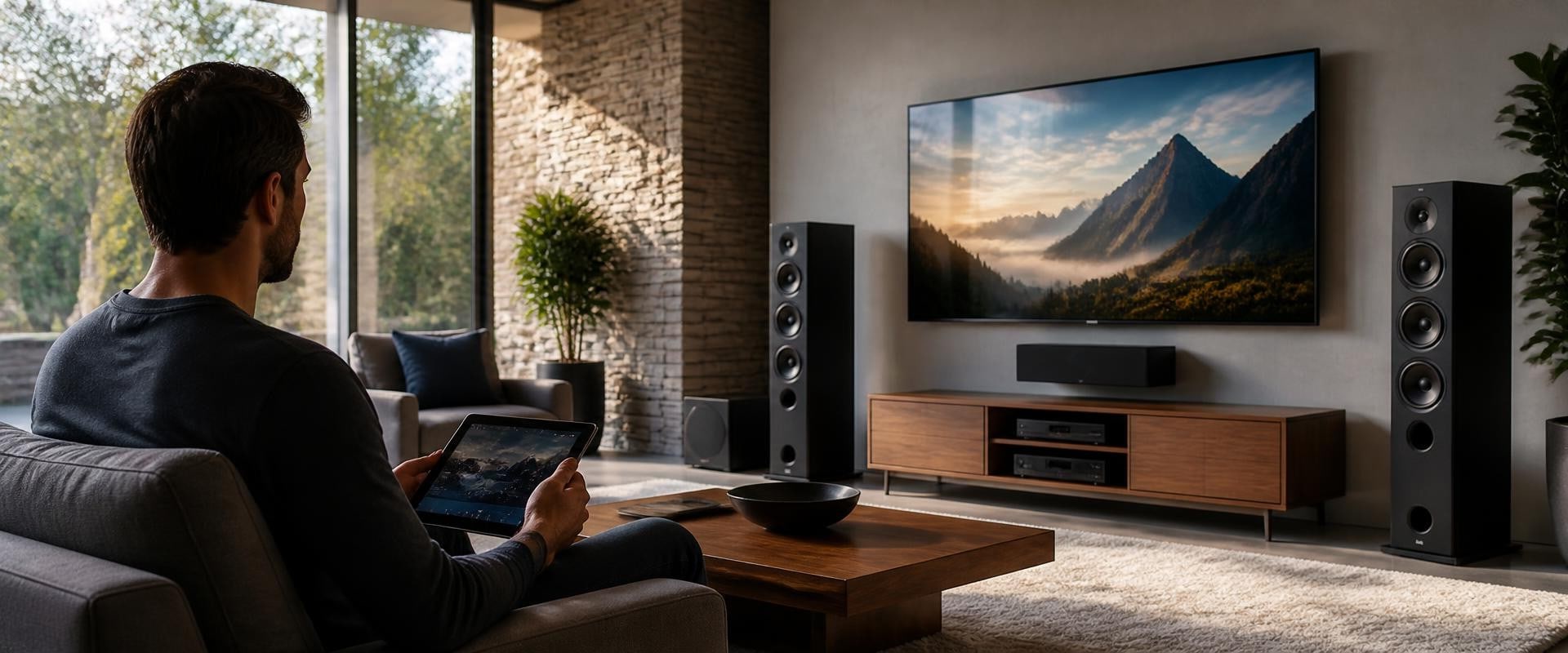
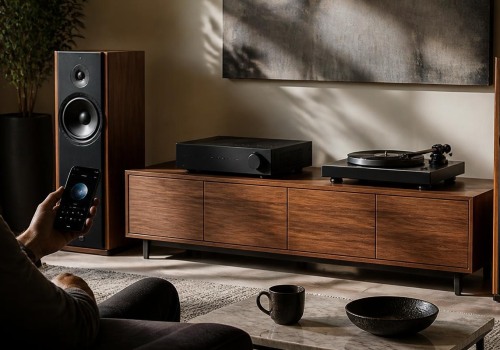
In today's digital age, home audio systems have evolved significantly, offering a range of options that cater to various preferences and needs. Understanding the different types of audio systems available is crucial for anyone looking to enhance their listening experience. From traditional stereo setups to advanced multi-room systems, each configuration has its unique advantages and can dramatically impact how you enjoy music, movies, and gaming. At the core of any home audio installation are several key components that work together to deliver high-quality sound. These include speakers, amplifiers, receivers, and source devices.
Speakers come in various forms, such as floor-standing, bookshelf, and in-wall options, allowing for flexibility in design and sound delivery. Amplifiers boost the audio signal, ensuring that your speakers perform at their best, while receivers act as the central hub for connecting all your devices. Source devices, which can range from streaming services to vinyl players, provide the content that fuels your audio experience. As technology continues to advance, ensuring that your home audio system is future-proof becomes increasingly important. With the rise of smart home technology and streaming services, investing in a versatile system that can adapt to new formats and technologies will save you time and money in the long run.
By understanding the various types of audio systems and their components, you can make informed decisions that not only enhance your current setup but also prepare you for future innovations in home audio.
Assessing Your Current Setup
To ensure your home audio system is future-proof, the first step is to assess your current setup. This evaluation will help you identify both the strengths and weaknesses of your audio equipment, allowing you to make informed decisions moving forward.1.Evaluate Your Components
- Speakers: Check the quality and type of speakers you have. Are they passive or active? Do they support modern audio formats like Dolby Atmos?
- Receiver: Look at your audio receiver's capabilities. Does it support the latest HDMI standards? Can it handle 4K video and high-resolution audio?
- Source Devices: Consider the devices you use to play music or movies.
Are they up-to-date? Streaming services often require compatible hardware for optimal performance.
2.Analyze Your Room Acoustics
The acoustics of your room play a significant role in your audio experience. Take note of:
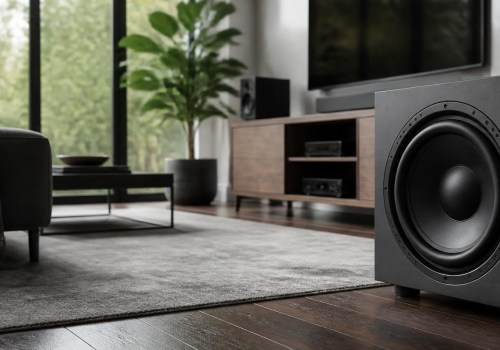
- Room Size: Larger rooms may require more powerful speakers or additional subwoofers.
- Furniture Placement: Soft furnishings can absorb sound, while hard surfaces may reflect it. Adjusting furniture can enhance sound quality.
- Wall Treatments: Consider adding acoustic panels or rugs to improve sound clarity.
3.Stay Updated with Current Audio Technology
The audio landscape is constantly evolving, with new technologies emerging regularly. Keep an eye on:
- Wireless Technologies: Ensure your system supports Bluetooth and Wi-Fi streaming for convenience.
- Smart Home Integration: Look for systems that can integrate with smart home devices for seamless control.
- Audio Formats: Familiarize yourself with high-resolution audio formats and ensure your equipment can handle them.
Choosing the Right Components for Longevity
When it comes to home audio installation, selecting the right components is crucial for ensuring longevity and adaptability to future advancements.Here are some key considerations to keep in mind:
- Invest in Quality Brands: Opt for reputable brands known for their durability and performance. Brands that have a history of innovation and customer satisfaction often produce equipment that can withstand the test of time.
- Modular Systems: Choose audio systems that allow for upgrades. Modular components, such as amplifiers and speakers, can be replaced or enhanced without needing to overhaul the entire system.
- Compatibility with New Technologies: Ensure that your components support the latest technologies, such as high-resolution audio formats and wireless streaming capabilities. This will help your system remain relevant as new formats emerge.
- Durable Materials: Look for equipment made from high-quality materials that resist wear and tear.
For instance, speakers with robust enclosures and connectors can endure physical stress better than cheaper alternatives.
- Future-Proof Features: Features like Bluetooth connectivity, multi-room capabilities, and smart home integration can enhance your system's versatility.
- Warranty and Support: A solid warranty can be a good indicator of a product's longevity. Brands that offer extensive support are often more committed to their products' durability.
- User Reviews: Research user feedback on the longevity of specific models. Real-world experiences can provide insights into how well components hold up over time.
Embracing Wireless Technology
In the realm of home audio installation, embracing wireless technology is a game-changer that not only enhances sound quality but also offers unparalleled flexibility. As we move towards a more connected world, the benefits of wireless audio systems become increasingly evident.Advantages of Wireless Audio Technology
- Flexibility in Placement: Wireless speakers can be placed anywhere in your home without the constraints of cables.
This allows for creative arrangements and optimal sound distribution.
- Ease of Installation: Setting up a wireless audio system is often simpler and quicker than traditional wired systems. You can avoid the hassle of running cables through walls or under floors.
- Scalability: As your audio needs evolve, adding new components to a wireless system is straightforward. You can easily integrate additional speakers or devices without major overhauls.
- Compatibility with Smart Home Devices: Many wireless audio systems seamlessly integrate with smart home technology, allowing you to control your music through voice commands or mobile apps.
This adaptability not only enhances your listening experience but also ensures that your investment in a home audio installation is future-proof.
Integrating Smart Home Features
Integrating smart home features into your home audio installation can significantly enhance its functionality and longevity. As technology evolves, the ability to adapt your audio system to new advancements is crucial for maintaining a modern and efficient setup. One of the most popular ways to achieve this is through the use of smart speakers. These devices not only play music but also serve as hubs for controlling other smart home devices. By incorporating smart speakers into your audio system, you can easily manage playback through voice commands, stream music from various online services, and even integrate with other smart home systems.- Voice Control: With smart speakers, you can control your audio system hands-free.
This feature is particularly useful when multitasking or when your hands are occupied.
- Multi-Room Audio: Many smart speakers allow for multi-room audio setups, enabling you to play different music in different rooms or synchronize playback throughout your home.
- Compatibility: Ensure that your audio components are compatible with popular smart home ecosystems like Amazon Alexa, Google Assistant, or Apple HomeKit. This compatibility will allow for seamless integration and control.
Investing in smart features today will pay off in the long run as they provide flexibility and enhance the overall enjoyment of your audio experience.
Staying Updated with Audio Formats and Standards
In the rapidly evolving world of audio technology, staying updated with audio formats and standards is crucial for ensuring your home audio installation remains relevant and functional. As new formats emerge, they often bring enhancements in sound quality, efficiency, and compatibility with various devices.Understanding Audio Formats
- Lossy vs. Lossless: Familiarize yourself with the difference between lossy formats (like MP3) and lossless formats (like FLAC). Lossless formats preserve the original audio quality, making them ideal for audiophiles.
- Surround Sound Formats: Keep an eye on advancements in surround sound technologies such as Dolby Atmos and DTS:X, which provide immersive audio experiences.
- Streaming Quality: As streaming services evolve, they may adopt new codecs like AAC or Opus that offer better sound quality at lower bitrates.
The Importance of Latest Audio Standards
Audio standards are continually updated to accommodate new technologies and improve user experience.
For instance, HDMI standards have evolved to support higher bandwidths, allowing for better audio transmission alongside video. Ensuring your equipment supports the latest HDMI version can prevent compatibility issues with future devices.
Future-Proofing Your Audio Formats
To future-proof your home audio system, consider the following strategies:
- Invest in Upgradable Equipment: Choose receivers and speakers that allow firmware updates. This ensures you can adapt to new formats without needing a complete overhaul of your system.
- Stay Informed: Regularly check industry news and updates from manufacturers regarding new audio formats and standards. Subscribing to tech blogs or forums can keep you in the loop.
- Test Compatibility: Before purchasing new devices, verify their compatibility with existing equipment.
This can save you from investing in technology that may not work seamlessly with your current setup.
Planning for Expansion and Upgrades
When considering home audio installation, planning for future expansions and upgrades is crucial to ensure your system remains relevant and effective. Here are some strategies to help you achieve this:- Choose Modular Components: Opt for audio equipment that can be easily upgraded or replaced. For instance, select speakers, receivers, and amplifiers that allow for easy integration with newer technologies.
- Invest in Wireless Technology: Wireless audio systems offer flexibility and ease of expansion. Look for systems that support multi-room audio and can connect with various devices without the need for extensive rewiring.
- Future-Proof Formats: Ensure your components support the latest audio formats and standards, such as Dolby Atmos or high-resolution audio streaming.
This will allow you to take advantage of advancements in sound quality without needing a complete system overhaul.
- Plan for Additional Zones: If you anticipate expanding your audio system to other rooms, consider wiring your home during the initial installation. This foresight will save you time and money when adding speakers or zones later on.
- Stay Informed: Keep an eye on emerging technologies and trends in the audio industry. Subscribe to industry newsletters or follow tech blogs to stay updated on new products that could enhance your system.
Common Mistakes to Avoid in Home Audio Installation
When it comes to home audio installation, avoiding common mistakes can significantly enhance your system's performance and longevity. Here are some pitfalls to steer clear of:- Neglecting Room Acoustics: One of the most frequent errors is overlooking the acoustics of your space.
Every room has unique sound characteristics, and failing to account for these can lead to poor audio quality. Consider using acoustic panels or strategically placing furniture to improve sound distribution.
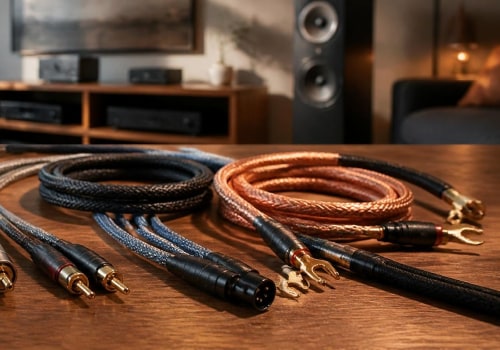
- Inadequate Wiring: Using low-quality or insufficient wiring can severely impact your audio system's performance. Ensure that you use high-quality cables that are appropriate for your setup, and avoid running wires near power sources to minimize interference.
- Ignoring Compatibility: Many users make the mistake of purchasing components without checking their compatibility. Always verify that your speakers, receivers, and other devices work well together to avoid functionality issues.
- Overlooking Future Upgrades: When installing your system, think ahead.
Avoid hardwiring everything in a way that makes future upgrades difficult. Consider using modular components or wireless options where possible.
- Improper Speaker Placement: The placement of your speakers can drastically affect sound quality. Avoid placing them too close to walls or in corners, as this can create unwanted bass buildup and distort sound clarity.
Conclusion: Building a Future-Proof Home Audio System
In conclusion, creating a future-proof home audio installation requires careful consideration and strategic planning. As technology continues to evolve, it is essential to build a system that not only meets your current needs but also adapts to future advancements. First and foremost, investing in high-quality components is crucial.Opt for audio equipment that supports the latest formats and technologies, such as high-resolution audio and multi-room capabilities. This ensures that your system remains relevant as new audio standards emerge. Additionally, consider the flexibility of your setup. A modular approach allows you to upgrade individual components without overhauling the entire system. For instance, choosing a receiver with multiple HDMI inputs and support for various streaming services can significantly extend the lifespan of your installation. Another key aspect is the integration of smart technology.
As home automation becomes increasingly popular, incorporating smart speakers and voice control into your audio system can enhance user experience and compatibility with future devices. Lastly, don’t underestimate the importance of proper installation. Engaging a professional for your home audio installation can ensure optimal performance and longevity. They can provide insights on acoustics, speaker placement, and wiring that may not be apparent to the average homeowner. By focusing on quality, flexibility, smart integration, and professional installation, you can create a home audio system that not only meets today’s demands but also stands the test of time.