Understanding the Costs of Home Audio Installation in the U.S.
Discover the average costs and factors influencing home audio installation in the U.S. to budget effectively for your audio needs.

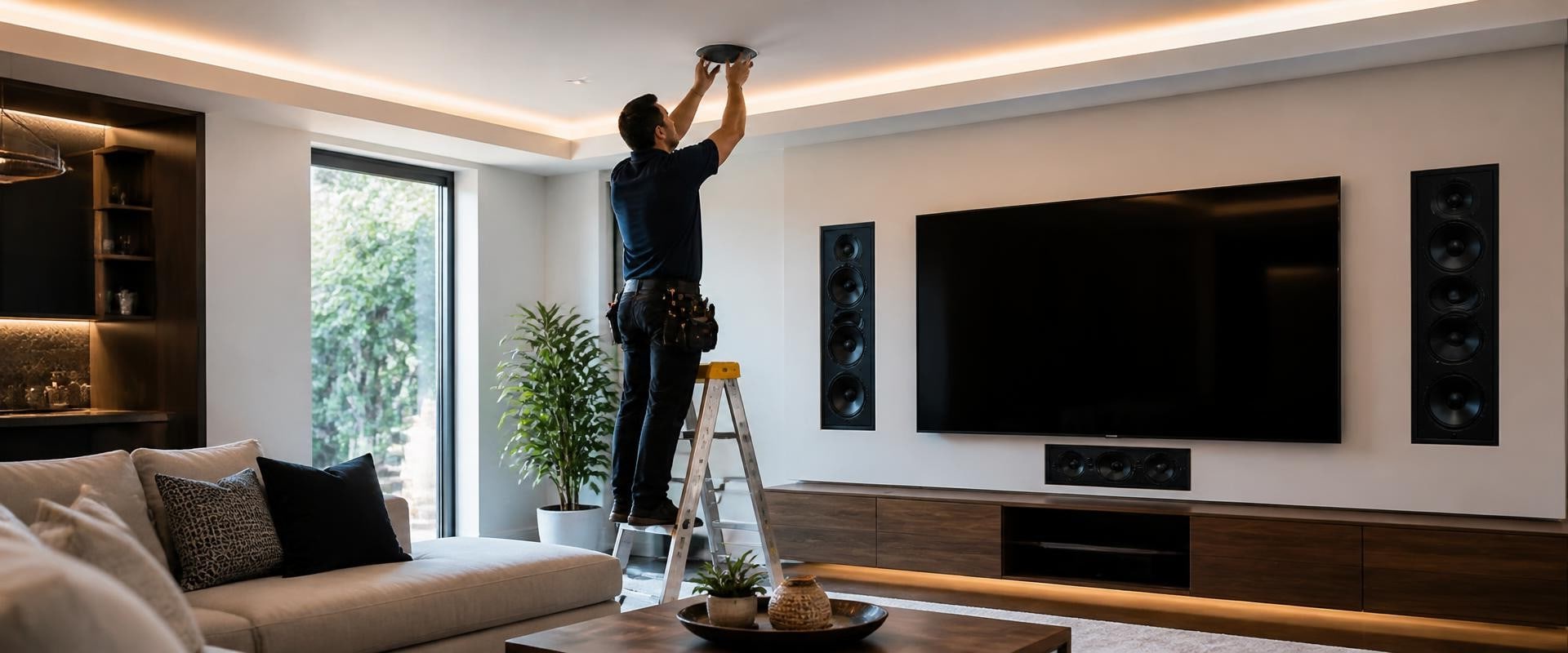
When considering a home audio installation, understanding the associated costs is crucial for homeowners looking to enhance their listening experience. The average cost of home audio installation can vary significantly based on several factors, including the complexity of the system, the quality of equipment chosen, and the specific installation requirements. This introductory section aims to provide a foundational understanding of what influences these costs and what homeowners can expect when budgeting for their audio needs. Typically, a basic home audio system might start at a few hundred dollars, but as you delve into more sophisticated setups—such as multi-room audio systems or high-end surround sound configurations—the price can escalate into the thousands. Factors such as the size of your home, the number of speakers, and whether you opt for professional installation or a DIY approach will all play a significant role in determining your final expenditure. If you are considering hiring a professional, it is advisable to consult a Low Voltage Contractor to ensure quality installation. Moreover, regional differences across the United States can also impact pricing.
For instance, urban areas may have higher labor costs compared to rural regions, which can affect the overall home audio system pricing. As we explore this topic further, we will break down these elements to give you a clearer picture of what to expect when investing in a home audio installation.
Factors Influencing Home Audio Installation Costs
When considering home audio installation, several key factors can significantly influence the overall cost. Understanding these elements can help homeowners make informed decisions and budget accordingly.- Equipment Quality: The type and quality of audio equipment chosen play a crucial role in determining installation costs. High-end speakers, receivers, and amplifiers typically come with a higher price tag, but they also offer superior sound quality and durability.
Conversely, budget-friendly options may reduce initial costs but could compromise on performance.
- Installation Complexity: The complexity of the installation process is another major factor. Simple setups, such as a basic stereo system, will generally cost less to install than more intricate configurations that involve multiple zones, surround sound systems, or integrated smart home technology. Custom installations that require extensive wiring or structural modifications will also increase labor costs.
- Labor Costs: Labor rates can vary widely depending on the region and the expertise of the installers. Urban areas often have higher labor costs compared to rural locations.
Additionally, hiring specialized professionals with extensive experience in home audio installation may incur higher fees but can ensure a more seamless and effective setup.
- Additional Features: Features such as wireless connectivity, smart home integration, and advanced control systems can add to the overall cost. While these features enhance convenience and functionality, they also require additional components and installation time.
- Regional Pricing Variations: Geographic location can significantly impact pricing due to differences in market demand and local economic conditions. For instance, metropolitan areas may have a higher concentration of audio installation services, leading to competitive pricing, while remote areas might face limited options and higher costs.
Average Cost Breakdown by Equipment Type
When considering home audio installation, understanding the average costs associated with various types of equipment is crucial for budgeting effectively.Below is a breakdown of typical expenses for key components of a home audio system.
Cost of Speakers
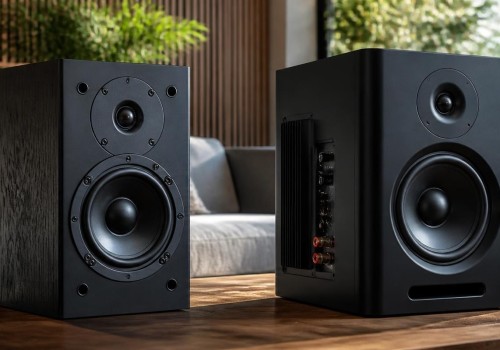
Speakers are often the most significant investment in a home audio setup. The average cost can vary widely based on type and quality:- Bookshelf Speakers: $100 - $500 per pair
- Floorstanding Speakers: $300 - $2,000 per pair
- Subwoofers: $150 - $1,500 each
Cost of Amplifiers
Amplifiers are essential for driving speakers and enhancing sound quality. Their costs typically range from:- Stereo Amplifiers: $200 - $1,500
- Multi-Channel Amplifiers: $400 - $3,000
Cost of Receivers
A receiver acts as the hub of your home audio system, combining multiple functions. Average costs include:- Stereo Receivers: $150 - $1,000
- AV Receivers: $300 - $2,500
Home Audio Equipment Pricing Summary
In summary, the total cost of home audio installation can vary significantly based on the equipment chosen.A basic setup might start around $1,000, while a high-end system could easily exceed $10,000. It's essential to prioritize your needs and research thoroughly to find the best value for your budget.
Installation Costs: DIY vs. Professional Services
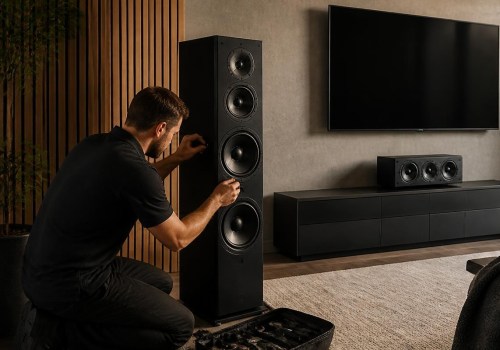
When considering home audio installation, one of the first decisions homeowners face is whether to tackle the project themselves or hire a professional service. Each option comes with its own set of costs and benefits that can significantly impact your overall experience and satisfaction.DIY Home Audio Installation Cost
For those who are handy and enjoy taking on projects, DIY home audio installation can be a cost-effective solution.The average cost for materials and equipment can range from $200 to $1,500, depending on the complexity of the system and the quality of components chosen. Basic setups may only require:
- Speakers: $100 - $500
- A/V receiver: $200 - $800
- Cables and accessories: $50 - $200
Professional Audio Installation Pricing
If you prefer a hassle-free experience or lack the technical skills, hiring a professional is a viable option. The cost for professional audio installation services typically ranges from $300 to $2,000, depending on factors such as:- The size of your home and the complexity of the audio system.
- The reputation and experience of the installation company.
- The geographical location, as labor costs can vary significantly.
Benefits of Professional Installation
Choosing professional installation not only saves time but also ensures that your system is set up for optimal performance.Professionals can provide:
- Expertise: Knowledge of the latest technologies and best practices.
- Customization: Tailored solutions based on your specific needs and preferences.
- Troubleshooting: Immediate assistance with any issues that arise during setup.
Regional Variations in Home Audio Installation Costs
The cost of home audio installation can vary significantly depending on the region in the United States. Factors such as local labor rates, the cost of living, and market demand all play a crucial role in determining these prices.Regional Pricing Differences
- West Coast: States like California and Washington often see higher installation costs, averaging between $1,000 to $2,500 for comprehensive systems. This is largely due to the higher cost of living and a competitive market.
- East Coast: In states such as New York and Massachusetts, homeowners can expect to pay similar prices, typically ranging from $800 to $2,200. Urban areas tend to have higher rates compared to rural regions.
- Midwest: The Midwest generally offers more affordable options, with installation costs averaging between $600 and $1,800.
States like Ohio and Illinois often have lower labor costs, making them attractive for budget-conscious consumers.
- South: Southern states like Texas and Florida present a mixed bag. While urban centers may charge between $800 and $2,000, rural areas can see prices drop to around $500 for basic installations.
By researching local providers and comparing quotes, consumers can find the best value while ensuring they receive quality service tailored to their specific needs.
Common FAQs About Home Audio Installation Costs
When considering home audio installation, many homeowners have questions regarding the costs involved. Here are some of the most frequently asked questions that can help clarify your concerns:- What factors influence the cost of home audio installation?
The cost can vary significantly based on several factors, including the size of your home, the complexity of the audio system, and whether you choose to install it yourself or hire a professional. Additional elements such as wiring, speaker quality, and integration with existing systems can also affect pricing. - Is it worth hiring a professional for installation?
While DIY installation may save money upfront, hiring a professional can ensure optimal performance and aesthetics. Professionals have the expertise to handle complex setups and troubleshoot potential issues, which can ultimately save you time and money in the long run. - What is the average cost range for home audio installation?
The average cost for home audio installation in the United States typically ranges from $500 to $2,500.This range can vary based on system specifications and labor costs in your area.
- Are there any hidden costs I should be aware of?
Yes, potential hidden costs may include additional wiring, mounting hardware, or even permits if your installation requires structural changes. Always ask for a detailed estimate before proceeding. - Can I upgrade my existing audio system without a complete overhaul?
Absolutely! Many homeowners choose to upgrade specific components of their audio systems, such as adding new speakers or a more advanced receiver. This approach can be more budget-friendly while still enhancing your overall audio experience.
Tips for Budgeting Your Home Audio Installation Project
When planning your home audio installation, budgeting effectively is crucial to ensure you achieve the desired sound quality without overspending. Here are some practical tips to help you manage your budget while still getting a top-notch audio system.- Define Your Needs: Start by assessing what you want from your audio system.
Are you looking for a simple setup for casual listening, or do you need a more complex system for home theater experiences? Knowing your requirements will help you avoid unnecessary expenses.
- Research Equipment Costs: Take the time to research various audio components such as speakers, receivers, and amplifiers. Prices can vary significantly between brands and models. Websites like Consumer Reports or CNET can provide valuable insights into the best options within your budget.
- Consider DIY Installation: If you're handy, consider installing the system yourself. This can save you a significant amount on labor costs.
There are numerous online tutorials and videos that can guide you through the process of setting up your home audio installation.
- Get Multiple Quotes: If you decide to hire professionals, obtain quotes from several installers. This not only gives you a better idea of the average cost but also allows you to compare services and find the best deal.
- Look for Package Deals: Many retailers offer package deals that include multiple components at a discounted rate. These bundles can provide substantial savings compared to purchasing items individually.
- Plan for Future Upgrades: When budgeting, consider investing in scalable equipment that allows for future upgrades. This way, you won’t have to replace everything when you want to enhance your system later on.
Remember, careful planning and research are key to achieving the best results without breaking the bank.
Conclusion: Making Informed Decisions on Home Audio Installation Costs
In conclusion, understanding the average cost of home audio installation is crucial for homeowners looking to enhance their audio experience. Throughout this article, we have explored various factors that influence installation costs, including equipment quality, installation complexity, and regional pricing variations. When planning your home audio installation, it’s essential to consider the following key points:- Budgeting: Establish a clear budget that encompasses both equipment and installation fees. This will help you avoid unexpected expenses.
- Research: Take the time to research different audio systems and installation services. Comparing quotes from multiple providers can lead to significant savings.
- Professional vs.
DIY:
Weigh the pros and cons of hiring a professional installer versus attempting a DIY setup. While DIY may save money upfront, professional installations often ensure optimal performance and longevity. - Future-proofing: Consider investing in scalable systems that can be upgraded over time. This approach can save you money in the long run as technology evolves.