DIY vs Professional Home Audio Installation: Making the Right Choice
Explore the pros and cons of DIY vs professional home audio installation to make an informed choice for your audio needs.

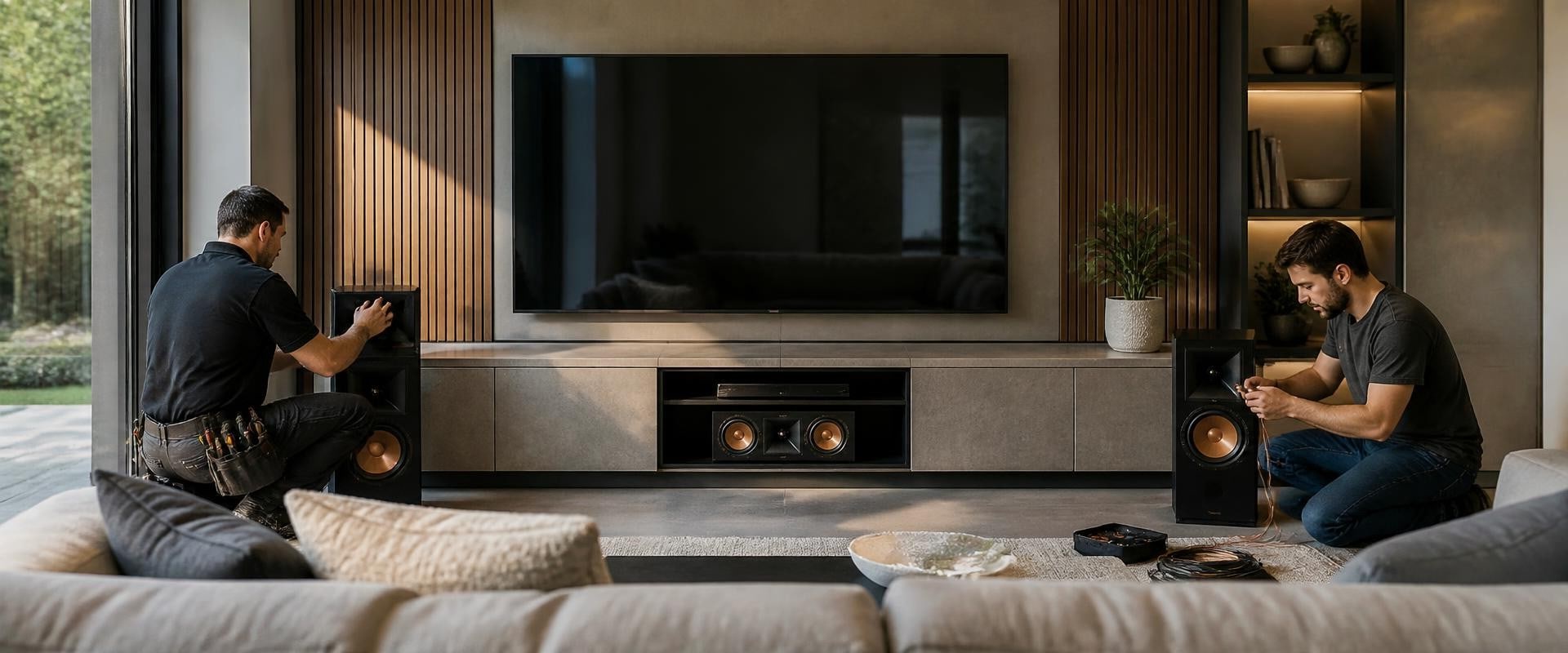
When considering home audio installation, it's essential to first understand the various types of home audio systems available on the market. From simple stereo setups to complex multi-room systems, each type serves different needs and preferences. For instance, a basic stereo system typically includes two speakers and a receiver, making it ideal for smaller spaces or casual listening. In contrast, a surround sound system enhances the cinematic experience by incorporating multiple speakers strategically placed around a room. Another popular option is the wireless audio system, which allows for seamless streaming from devices without the clutter of wires.
These systems often include smart features, enabling users to control their audio experience through mobile apps or voice commands. Understanding these distinctions is crucial as it helps you determine which system aligns with your lifestyle and audio preferences. Moreover, each audio system component plays a vital role in delivering sound quality. Key components include amplifiers, speakers, subwoofers, and receivers. The amplifier boosts the audio signal, while speakers convert that signal into sound.
Subwoofers are specifically designed to handle low-frequency sounds, adding depth to music and movie soundtracks. By familiarizing yourself with these components, you can better assess whether you possess the skills and knowledge necessary for a successful installation or if hiring a professional might be the more prudent choice.
The Benefits of DIY Home Audio Installation
When considering home audio installation, many homeowners find themselves weighing the pros and cons of a DIY approach versus hiring a professional. One of the most compelling reasons to tackle this project yourself is the potential for significant cost savings. Professional installation can often come with hefty labor fees, which can be avoided by taking on the project yourself.With a little research and the right tools, you can set up your audio system without breaking the bank. Another advantage of DIY home audio installation is the level of customization it allows. When you install your own system, you have complete control over every aspect of the setup. This means you can choose components that best fit your space and preferences, ensuring that your audio experience is tailored specifically to your needs. Whether you prefer a minimalist setup or a more complex arrangement with multiple speakers, the choice is entirely yours. Moreover, completing a DIY project can bring a sense of satisfaction and accomplishment.
There’s something rewarding about seeing your hard work come to fruition, especially when it results in an enhanced audio experience in your home. You’ll not only gain valuable skills but also have the pride of knowing that you created a space that reflects your personal taste. Additionally, engaging in DIY home audio installation can foster a deeper understanding of how your system works. This knowledge can be invaluable for troubleshooting issues in the future or making upgrades as technology evolves. Instead of relying on someone else’s expertise, you’ll be equipped to handle any challenges that arise. In summary, opting for a DIY approach to home audio installation offers numerous benefits, including cost savings, customization options, personal satisfaction, and increased knowledge about your system.
These factors make it an appealing choice for many homeowners looking to enhance their audio experience.
Challenges of DIY Home Audio Installation
While the idea of DIY home audio installation can be appealing, it comes with its own set of challenges that can complicate the process. Understanding these potential pitfalls is crucial for anyone considering taking on this project themselves. One of the primary challenges is the technical complexity involved in setting up an audio system. Many consumers may underestimate the intricacies of connecting various components, such as receivers, speakers, and subwoofers. Each piece of equipment often has specific requirements for optimal performance, and failing to adhere to these can lead to subpar sound quality. Additionally, time investment is another significant factor.A DIY installation may seem straightforward at first glance, but it often requires extensive research and planning. From selecting the right equipment to understanding room acoustics and speaker placement, the process can become time-consuming. Many individuals find themselves spending hours or even days troubleshooting issues that arise during setup. Moreover, there is a risk of improper setup, which can lead to a range of problems. Common issues include incorrect wiring, poor speaker placement, and inadequate calibration of audio settings.
These mistakes not only diminish the listening experience but can also damage equipment over time if not addressed properly. Lastly, without professional guidance, DIY installers may miss out on valuable insights that come from experience. Professionals often have a keen understanding of how to optimize sound in different environments, which can be difficult for a novice to replicate. In summary, while installing a home audio system yourself can save money and provide a sense of accomplishment, it is essential to weigh these challenges against your technical skills and available time. For those who are not confident in their abilities or who desire a hassle-free experience, hiring a professional may ultimately be the better choice.
When to Hire a Professional for Home Audio Installation
While many homeowners may feel confident in their ability to install a home audio system themselves, there are specific scenarios where hiring a professional is not only advisable but can also save time and ensure optimal performance.Complex Setups
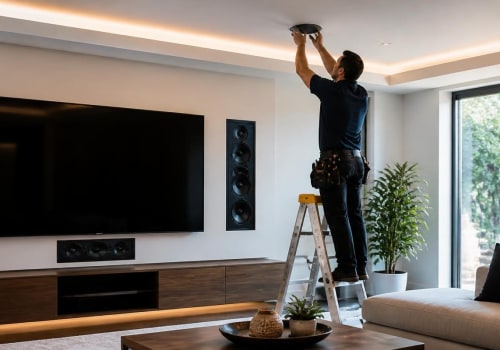
If your desired audio system involves multiple components, such as surround sound speakers, subwoofers, and receivers, the installation can quickly become complicated. A professional audio installer has the expertise to navigate these complexities, ensuring that all components work seamlessly together.They can also help with:
- Wiring and Connectivity: Properly running wires through walls or ceilings can be challenging. Professionals have the tools and experience to do this safely and efficiently.
- Calibration: A professional can calibrate your system for optimal sound quality based on your room's acoustics, which is often overlooked in DIY installations.
Troubleshooting Issues
Even after installation, issues may arise that require troubleshooting. If you encounter problems such as poor sound quality or connectivity issues, a professional can quickly diagnose and resolve these problems. Their experience allows them to identify potential pitfalls that a novice might miss.Time Constraints
If you're short on time or simply prefer to enjoy your new audio system without the hassle of installation, hiring a professional can be a wise choice.They can complete the job efficiently, allowing you to focus on enjoying your music or movies sooner.
Benefits of Professional Installation
Investing in professional installation offers several benefits:- Expertise: Professionals bring years of experience and knowledge about the latest technologies and best practices.
- Warranty Protection: Many manufacturers require professional installation for warranty coverage, ensuring that your investment is protected.
- Peace of Mind: Knowing that your system has been installed correctly by an expert can provide significant peace of mind.
Cost Comparison: DIY vs Professional Installation
When considering home audio installation, one of the most significant factors to evaluate is the cost associated with either a DIY approach or hiring a professional. Understanding these costs can help you make an informed decision that aligns with your budget and audio needs.Cost of DIY Home Audio Installation
Opting for a DIY installation can initially seem like the more economical choice. The primary expenses involved typically include:- Equipment Costs: This includes speakers, receivers, cables, and any additional components you may need.
Depending on the quality and brand, this can range from a few hundred to several thousand dollars.
- Tools: If you don’t already own the necessary tools (like drills, wire strippers, etc.), you may need to purchase or rent them.
- Time Investment: While not a direct monetary cost, the time spent researching, planning, and executing the installation can be significant.
- Mistakes: Errors in installation can lead to additional expenses for repairs or replacements.
- Learning Curve: If you're unfamiliar with audio systems, you might need to invest in tutorials or guides.
Professional Installation Costs
On the other hand, hiring a professional for home audio installation comes with its own set of costs. Typically, you can expect to pay:- Labor Fees: Professional installers usually charge between $50 to $150 per hour, depending on their expertise and your location.
- Consultation Fees: Some professionals may charge for an initial consultation to assess your space and recommend equipment.
- Warranty and Support: Many professionals offer warranties on their work, providing peace of mind that any issues will be addressed without additional costs.
Tips for Successful DIY Home Audio Installation
Installing a home audio system can be a rewarding project, but it requires careful planning and execution. Here are some tips for successful DIY home audio installation that can help you achieve the best results.- Plan Your Layout: Before you start, take the time to plan your audio setup.
Consider the size of your room and the placement of your speakers. Ideally, speakers should be positioned at ear level when seated, and subwoofers should be placed in corners for optimal bass response.
- Choose Quality Components: Invest in quality audio components that suit your needs. Look for receivers, speakers, and cables that are compatible with each other and fit within your budget. Researching reviews can help you make informed decisions.
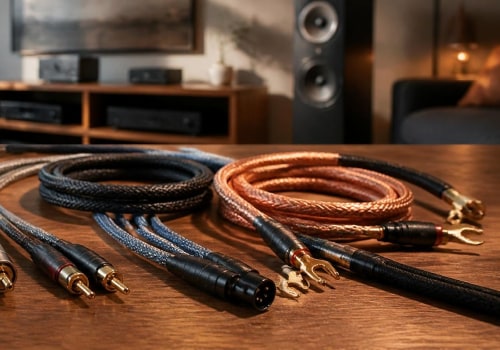
- Use Proper Wiring Techniques: Ensure that you use the right gauge of speaker wire for your system.
For longer runs, thicker wire (lower gauge) is recommended to minimize signal loss. Keep wires organized and avoid running them parallel to power cables to reduce interference.
- Test Your Setup: Once everything is connected, test your system with various types of audio content. This will help you identify any issues with speaker placement or sound quality. Adjust settings on your receiver as needed to enhance performance.
- Consider Acoustic Treatment: To improve sound quality, consider adding acoustic treatments to your room.
This can include rugs, curtains, or specialized panels that absorb sound and reduce echo.
FAQs About Home Audio Installation
When considering home audio installation, many homeowners have questions about the process, equipment, and troubleshooting. Here are some frequently asked questions that can help clarify common concerns.What equipment do I need for a home audio system?
To set up a basic home audio system, you typically need:- Speakers: Choose between bookshelf, floor-standing, or in-wall speakers based on your space and sound preferences.
- A/V Receiver: This acts as the hub for your audio and video sources, allowing you to connect multiple devices.
- Source Devices: These can include a CD player, streaming device, or turntable.
- Cables: Ensure you have the right cables for connections, including speaker wire and HDMI cables.
Can I install a home audio system myself?
Yes, many homeowners choose to install their own systems. With the right tools and instructions, DIY installation can be rewarding.However, if you're not comfortable with technology or wiring, hiring a professional might be the best option.
What are common troubleshooting issues?
If you encounter problems during setup, consider these common issues:- No sound: Check all connections and ensure your receiver is set to the correct input.
- Poor sound quality: Verify speaker placement and adjust settings on your receiver.
- Wireless connectivity issues: Ensure your Wi-Fi signal is strong and that devices are properly paired.