Essential Tips for Optimal Speaker Placement in Home Audio Installation
Discover essential tips for optimal speaker placement in home audio installation to enhance sound quality and listening experience.

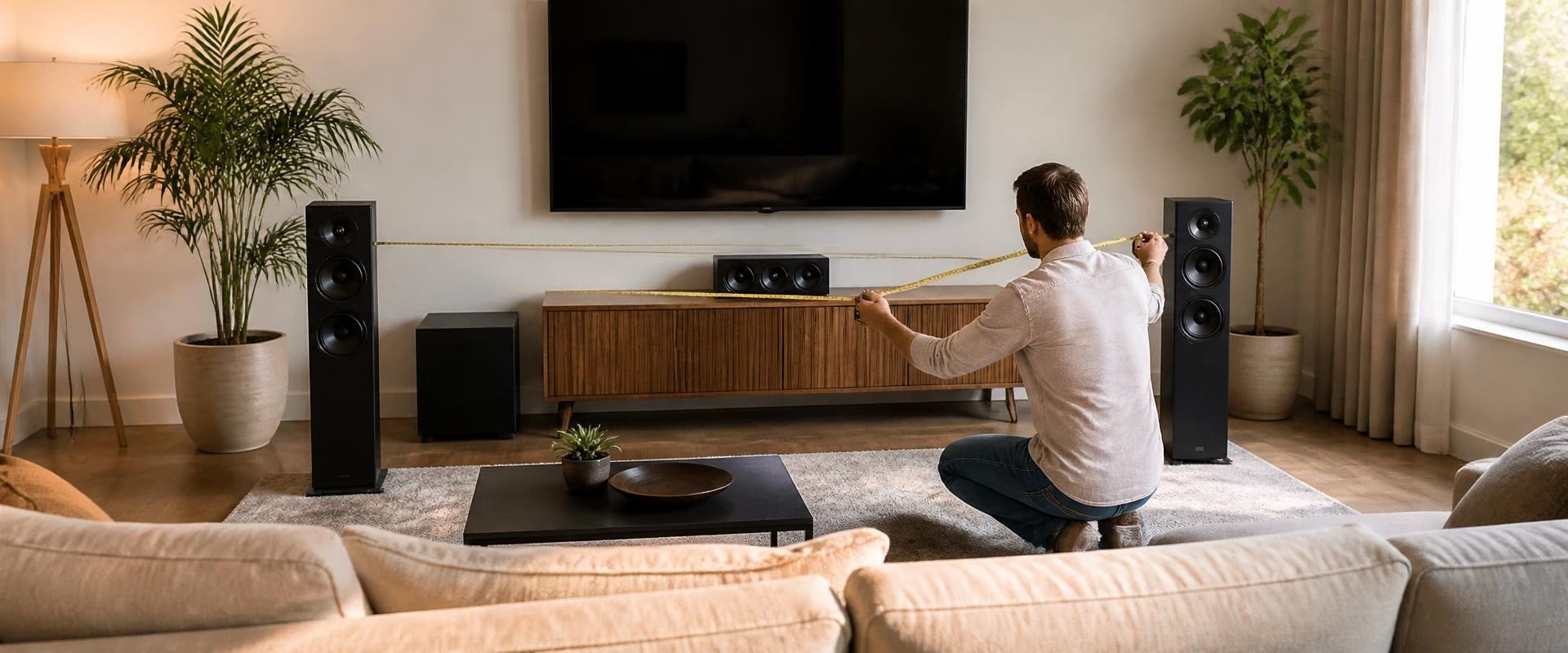
When it comes to home audio installation, the placement of your speakers is a critical factor that can significantly influence the overall sound quality and listening experience. Many enthusiasts underestimate the impact that speaker positioning can have, often leading to subpar audio performance. Properly placed speakers can create a more immersive environment, allowing you to enjoy your favorite music, movies, or games as intended by the creators. Understanding the importance of speaker placement goes beyond just aesthetics; it involves acoustics and how sound waves interact with the room's dimensions and furnishings. For instance, placing speakers too close to walls can result in unwanted reflections and muddied sound, while positioning them at the right height and angle can enhance clarity and depth.
This is why taking the time to consider where your speakers will be located is essential for achieving optimal sound. Moreover, effective speaker placement can help in creating a balanced audio field, ensuring that every listener in the room experiences high-quality sound. Whether you are setting up a simple stereo system or a complex surround sound setup, understanding these principles will not only elevate your home audio installation but also transform your listening sessions into an extraordinary auditory experience.
Key Factors to Consider for Speaker Placement
When it comes to home audio installation, the placement of your speakers is crucial for achieving optimal sound quality. Several key factors influence how and where you should position your speakers in a room.Room Size and Shape
The dimensions of your room play a significant role in speaker placement. In larger rooms, you may need to position speakers further apart to fill the space with sound, while smaller rooms might benefit from closer placement.Additionally, the shape of the room can affect sound distribution; for instance, rectangular rooms often create standing waves that can distort audio. Consider using bass traps and diffusers to manage these acoustic challenges.
Room Acoustics
The acoustics of your room are determined by its materials and furnishings. Hard surfaces like tile or glass can reflect sound, while soft furnishings such as carpets and curtains absorb it. To optimize speaker placement:- Avoid corners: Placing speakers too close to walls or in corners can lead to excessive bass buildup.
- Experiment with angles: Slightly angling speakers towards the listening area can enhance clarity and detail.
- Consider height: Ideally, tweeters should be at ear level when seated for the best listening experience.
Types of Speakers
The type of speakers you are using also dictates their placement.For example:
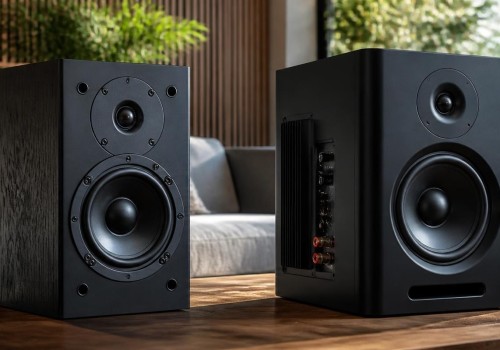
- Bookshelf speakers: These are versatile and can be placed on stands or shelves, but ensure they are not too close to walls.
- Floor-standing speakers: These typically require more space and should be positioned away from walls to allow for proper sound dispersion.
- Subwoofers: Placement can vary; experiment with different locations to find where bass sounds best in your room.
Optimal Speaker Placement Techniques
When it comes to home audio installation, the placement of your speakers can significantly impact sound quality. Here are some optimal techniques for both stereo and surround sound setups.Stereo Setup
For a traditional stereo setup, the goal is to create a balanced soundstage. Follow these guidelines:- Speaker Distance: Position the speakers at least 3 to 6 feet apart, depending on the size of the room. This distance helps create a wider soundstage.
- Listening Position: The ideal listening position should form an equilateral triangle with the two speakers.
This means that the distance from each speaker to the listener should be equal.
- Height and Angle: Place the speakers at ear level when seated. If they are too high or low, it can distort the sound. Additionally, angle them slightly towards the listening position for better clarity.
Surround Sound Setup
For a more immersive experience, a surround sound setup requires careful placement of multiple speakers:- Front Speakers: Similar to a stereo setup, place the left and right front speakers at ear level and angled towards the listening area.
- Center Channel Speaker: This speaker should be directly above or below your television screen, aimed at the listener's ears. It plays a crucial role in dialogue clarity.
- Surround Speakers: Position these speakers to the sides or slightly behind the listening area, ideally 1-2 feet above ear level.
This placement enhances the surround effect.
- Subwoofer Placement: The subwoofer can be placed in various locations, but corner placement often enhances bass response. Experiment with different spots to find what sounds best in your room.
Common Mistakes in Speaker Placement
When it comes to home audio installation, speaker placement is crucial for achieving the best sound quality. However, many people make common mistakes that can significantly diminish their audio experience. Understanding these pitfalls can help you avoid them and enhance your listening environment.- Ignoring Room Acoustics: One of the most frequent errors is neglecting the acoustics of the room.
Hard surfaces like tile or glass can create echoes, while soft furnishings can absorb sound. Always consider how your room's materials will affect audio performance.
- Incorrect Speaker Height: Placing speakers too high or too low can lead to poor sound staging. Ideally, tweeters should be at ear level when seated. This positioning ensures that high frequencies reach your ears directly, providing a clearer sound.
- Poor Distance from Walls: Speakers placed too close to walls can cause bass distortion and muddiness.
Aim for at least a few feet of space between your speakers and any walls to allow sound waves to disperse properly.
- Neglecting Listening Position: Many installers forget to consider the primary listening position when placing speakers. Ensure that your speakers are angled towards this spot for optimal sound delivery.
- Overlooking Subwoofer Placement: Subwoofers are often placed in corners, which can amplify bass but may also lead to uneven sound distribution. Experiment with different locations to find the sweet spot where bass sounds balanced throughout the room.
Additionally, consider consulting with a professional for tailored advice on home audio installation. By being mindful of these common errors, you can create a more immersive and enjoyable listening experience.
Adjusting Speaker Placement for Different Room Types
When it comes to home audio installation, the placement of speakers is crucial for achieving optimal sound quality. Different room types and sizes require tailored strategies to ensure that audio performance is maximized.Speaker Placement for Small Rooms
In small rooms, the proximity of walls can significantly affect sound quality. To enhance audio performance:- Position speakers away from walls: Ideally, place speakers at least 2-3 feet away from any wall to reduce reflections that can muddy the sound.
- Use bookshelf or wall-mounted speakers: These options save space while providing clear sound.
Ensure they are at ear level when seated.
- Experiment with angles: Slightly angling speakers towards the listening area can improve clarity and create a more immersive experience.
Speaker Placement for Large Rooms
In larger spaces, the challenge lies in filling the room with sound without losing clarity. Consider these tips:- Utilize multiple speakers: Distributing several speakers throughout the room can help achieve even sound coverage.
- Position speakers at least 8-10 feet apart: This distance helps create a wider soundstage and prevents audio from becoming too directional.
- Consider subwoofer placement: Place subwoofers in corners or along walls to enhance bass response, but avoid placing them too close to seating areas to prevent overwhelming low frequencies.
Speaker Placement for Open Spaces
Open spaces present unique challenges due to their size and lack of defined boundaries. To optimize speaker placement in these environments:- Create zones: Divide the space into listening zones and strategically place speakers to cater to each area.
- Aim for symmetry: Position speakers symmetrically within each zone to maintain balance and coherence in sound.
- Utilize wireless options: Wireless speakers can be easily repositioned as needed, allowing for flexibility in achieving the best sound experience.
Using Technology to Enhance Speaker Placement
In the realm of home audio installation, leveraging technology can significantly enhance the effectiveness of speaker placement. Various tools and applications are available that not only assist in determining optimal speaker locations but also ensure that sound quality is maximized throughout the room.Audio Calibration Tools
One of the most effective ways to optimize speaker placement is through the use of audio calibration tools.These devices analyze the acoustics of your room and provide recommendations for speaker positioning. Many modern receivers come equipped with built-in calibration systems, such as Audyssey or YPAO, which utilize a microphone to measure sound at various points in the room. This data helps adjust settings like equalization and delay, ensuring that sound reaches your ears at the right time and intensity.
Apps for Sound Optimization
In addition to hardware solutions, there are numerous apps for sound optimization that can assist in fine-tuning your audio setup. Applications like Room EQ Wizard or Sonarworks allow users to conduct detailed analyses of their listening environment.These apps can guide you through the process of measuring frequency response and identifying problematic areas in your room where sound may be uneven.
Smart Technology Integration
Smart home technology also plays a crucial role in enhancing speaker placement. Systems like Sonos or Google Home offer features that automatically adjust audio settings based on the layout of your space. By integrating these smart systems, you can achieve a more immersive listening experience without extensive manual adjustments. Ultimately, utilizing these technological advancements not only simplifies the home audio installation process but also ensures that you achieve the best possible sound quality tailored to your specific environment. By embracing these tools, you can transform any room into an acoustically optimized space, enhancing your overall audio experience.FAQs About Speaker Placement in Home Audio Installation
When it comes to home audio installation, speaker placement is crucial for achieving optimal sound quality.Here are some frequently asked questions that can help clarify the best practices for positioning your speakers.
What is the ideal height for placing speakers?
The ideal height for placing speakers typically depends on the type of speaker and the listening position. For most home audio systems, the tweeters should be at ear level when seated. This generally means placing floor-standing speakers between 36 to 48 inches off the ground. If you are using bookshelf speakers, consider mounting them on stands or shelves that allow for this height.How far should speakers be from walls?
To achieve the best sound quality, it is recommended to keep your speakers at least 2 to 3 feet away from walls.This distance helps reduce unwanted reflections and enhances bass response. However, if space is limited, you can experiment with closer placements while adjusting settings to minimize negative effects.
Should I angle my speakers?
Yes, angling your speakers towards the listening area can significantly improve sound clarity and imaging. This technique, known as toe-in, helps direct sound waves toward the listener, creating a more immersive experience. Aim to have the speakers angled slightly inward, forming a triangle with your listening position.What about subwoofer placement?
Subwoofers are less sensitive to placement than other speakers, but their position can still affect performance.A common practice is to place the subwoofer in a corner or along a wall to enhance bass response. However, experimenting with different locations in your room can help you find the sweet spot where bass sounds best.
Can I use multiple speakers in one room?
Absolutely! Using multiple speakers can create a more dynamic audio experience. Just ensure that they are properly spaced and positioned to avoid phase cancellation, which can occur when sound waves from different speakers interfere with each other. A good rule of thumb is to maintain equal distances between all speakers and the listening area. By following these guidelines and addressing common queries about speaker placement, you can enhance your home audio installation and enjoy a superior listening experience.Conclusion: Mastering Speaker Placement for Superior Sound Quality
In conclusion, achieving superior sound quality in your home audio installation hinges significantly on the strategic placement of your speakers.Throughout this article, we have explored various aspects of speaker placement that can dramatically enhance your listening experience. First and foremost, understanding the acoustic properties of your room is essential. Factors such as room size, shape, and furnishings can influence sound distribution. By taking these elements into account, you can optimize speaker placement to minimize unwanted reflections and maximize clarity. Additionally, adhering to the recommended distances between speakers and listening positions is crucial. For instance, placing speakers at ear level and ensuring they are equidistant from the primary listening area can create a balanced soundstage.
Remember to angle your speakers slightly towards the listener to enhance direct sound while reducing ambient noise. Moreover, experimenting with subwoofer placement can yield significant improvements in bass response. Utilizing techniques such as the "subwoofer crawl" allows you to find the optimal position for deep, resonant bass without overwhelming other frequencies. Finally, don’t underestimate the importance of room treatments. Incorporating acoustic panels or bass traps can further refine sound quality by controlling reflections and absorbing excess reverberation. By implementing these best practices for speaker placement, you will not only elevate your home audio experience but also create an immersive environment that brings your favorite music and movies to life. Remember, the effort you invest in proper speaker placement will pay off with rich, detailed sound that transforms your space into a true audio haven.