Understanding Passive vs. Active Speakers for Home Audio Installation
Discover the key differences between passive and active speakers to enhance your home audio installation and achieve optimal sound quality.

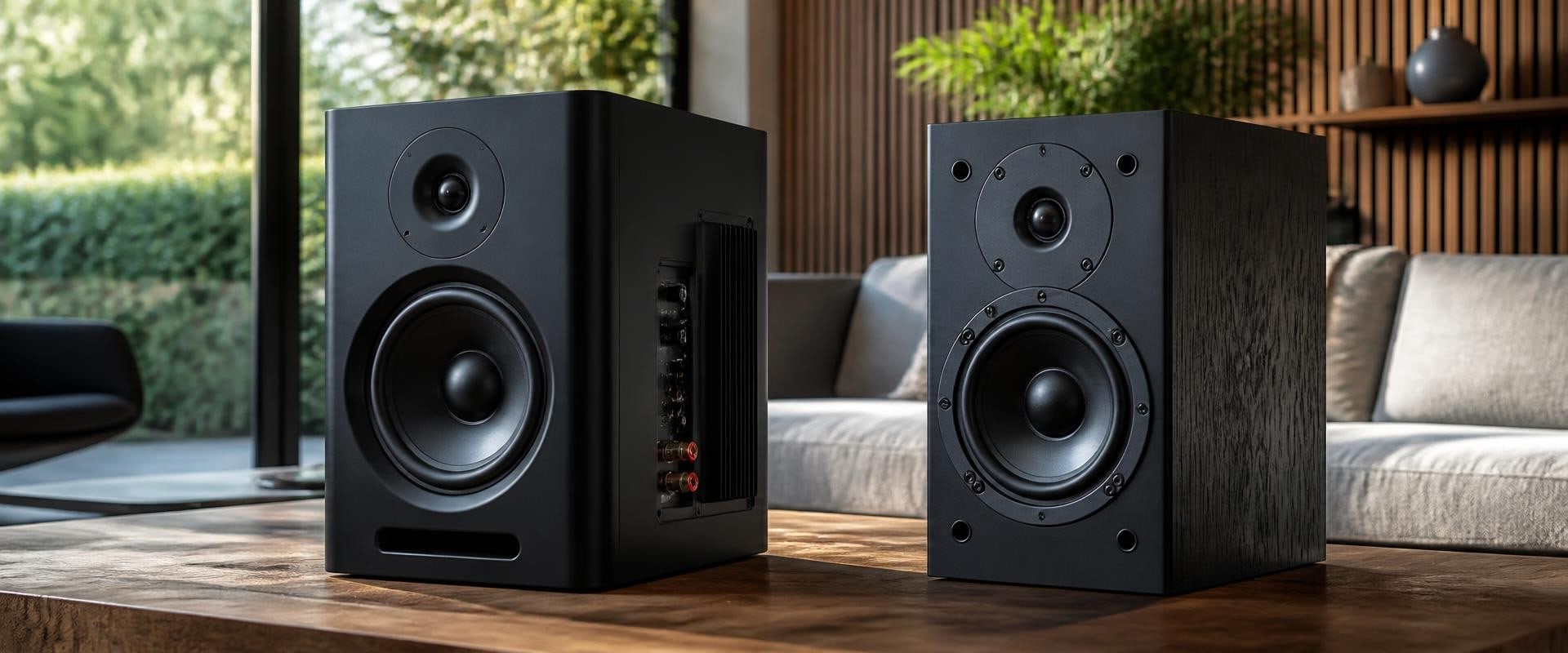
When it comes to home audio installation, understanding the components of your audio system is crucial for achieving the best sound quality. Among the most significant elements are passive speakers and active speakers, each offering distinct advantages and challenges. As you embark on your journey to create an immersive audio experience, grasping the differences between these two types of speakers will empower you to make informed decisions that enhance your overall setup. Passive speakers rely on an external amplifier to drive sound, meaning they require additional equipment for optimal performance. This can be a double-edged sword; while it allows for greater customization and potential upgrades, it also adds complexity to your audio systems.
On the other hand, active speakers come equipped with built-in amplifiers, simplifying the installation process and making them a popular choice for those seeking convenience without sacrificing sound quality. As we delve deeper into the nuances of passive and active speakers, we will explore how each type affects your home audio installation. Whether you're a seasoned audiophile or a casual listener, understanding these differences will not only enhance your listening experience but also guide you in selecting the right components for your unique space.
What Are Passive Speakers?
Passive speakers are a type of loudspeaker that requires an external amplifier to drive them. Unlike their active counterparts, which have built-in amplification, passive speakers rely on an external power source to produce sound. This fundamental difference shapes their characteristics and functionality within a home audio installation.Characteristics of Passive Speakers
- No Built-in Amplifier: Passive speakers do not have an integrated amplifier, meaning they must be connected to an external amplifier or receiver.
- Wiring Requirements: They require speaker wire connections to the amplifier, which can add complexity to the installation process.
- Impedance Ratings: Passive speakers come with specific impedance ratings (commonly 4, 6, or 8 ohms), which must match the amplifier for optimal performance.
- Customization: Users can mix and match different passive speakers with various amplifiers, allowing for a tailored audio experience.
Benefits of Passive Speakers
- Flexibility: The ability to choose separate components allows audiophiles to customize their sound system according to personal preferences.
- Potential for Higher Quality Sound: Many enthusiasts believe that passive speakers can deliver superior sound quality when paired with high-quality amplifiers.
- Upgrade Options: Users can upgrade individual components over time, enhancing their audio system without needing to replace everything.
- Cost-Effective Solutions: While some high-end passive speakers can be expensive, there are many budget-friendly options available that still provide excellent sound quality.
Their reliance on external amplification allows users to create a tailored listening experience that meets their specific needs and preferences.
What Are Active Speakers?
Active speakers, also known as powered speakers, are audio devices that come equipped with built-in amplifiers. This feature distinguishes them from passive speakers, which require an external amplifier to function. The integration of amplification within the speaker itself simplifies the home audio installation process, making it more accessible for users who may not have extensive technical knowledge.Characteristics of Active Speakers
- Built-in Amplification: Each active speaker contains its own amplifier, allowing for optimized sound output tailored to the speaker's design.
- Signal Processing: Many active speakers include digital signal processing (DSP) capabilities, enabling users to adjust sound settings for different environments.
- Connectivity Options: Active speakers often feature multiple input options, including Bluetooth, USB, and traditional audio jacks, enhancing versatility in home audio installations.
Benefits of Active Speakers
- Simplified Setup: With no need for external amplifiers or complex wiring, active speakers can be set up quickly and easily.
- Space Efficiency: The compact design of active speakers makes them ideal for smaller living spaces where traditional setups may be impractical.
- Consistent Sound Quality: Since the amplifier is specifically designed for the speaker, users can expect consistent and high-quality sound reproduction.
Key Differences Between Passive and Active Speakers
When considering home audio installation, understanding the differences between passive and active speakers is crucial for achieving optimal sound quality and performance.Each type of speaker has its unique characteristics that cater to different needs and preferences.
Sound Quality
Active speakers typically offer superior sound quality compared to passive speakers. This is largely due to their built-in amplifiers, which are specifically designed to match the speaker's components. As a result, active speakers can deliver clearer sound with better bass response and overall fidelity. In contrast, passive speakers rely on external amplifiers, which may not always be perfectly matched, potentially leading to less optimal sound reproduction.Installation Complexity
In terms of installation complexity, active speakers are generally easier to set up.Since they come with integrated amplifiers, users only need to connect them to a power source and an audio source. This simplicity makes them ideal for those who prefer a straightforward installation process. On the other hand, passive speakers require additional components such as an external amplifier or receiver, which can complicate the setup and require more technical knowledge.
Cost Considerations
When it comes to cost, active speakers often have a higher upfront price due to their built-in technology. However, this can be offset by the reduced need for additional equipment.Passive speakers may seem more affordable initially, but the total cost can increase significantly when factoring in the necessary amplifiers and receivers.
Use Cases
The choice between passive and active speakers also depends on specific use cases. For casual listeners or those setting up a simple home audio system, active speakers are often the preferred choice due to their ease of use and compact design. Conversely, audiophiles or those looking for a more customizable audio experience may lean towards passive speakers, allowing for greater flexibility in selecting components. In summary, both passive and active speakers have their advantages and disadvantages. Understanding these differences is essential for making an informed decision that aligns with your home audio installation goals.Installation Considerations for Passive Speakers
When it comes to installing passive speakers in your home audio system, there are several key considerations to keep in mind to ensure optimal performance and sound quality.Wiring Passive Speakers
The first step in the installation process is wiring passive speakers.Unlike active speakers, which have built-in amplifiers, passive speakers require an external amplifier to drive them. This means that proper wiring is crucial for achieving the best sound. Here are some tips:
- Choose the Right Gauge Wire: For most home audio installations, 16-gauge speaker wire is sufficient. However, if you are running long distances (over 50 feet), consider using a thicker gauge (14 or 12-gauge) to minimize signal loss.
- Polarity Matters: Ensure that you connect the positive terminal of the amplifier to the positive terminal of the speaker and the negative terminal to the negative terminal.
Incorrect polarity can lead to phase issues and poor sound quality.
- Secure Connections: Use banana plugs or spade connectors for a secure connection. This not only makes installation easier but also ensures a reliable connection that minimizes signal loss.
Placement and Setup
Once your wiring is complete, consider the placement of your passive speakers. Proper positioning can significantly enhance your listening experience:- Height and Angle: Position your speakers at ear level when seated, and angle them slightly towards the listening area for better sound dispersion.
- Avoid Corners: Placing speakers too close to walls or corners can result in unwanted bass buildup. Aim for at least a foot of space between the speaker and any wall.
- Room Acoustics: Consider the acoustics of your room.
Soft furnishings can absorb sound, while hard surfaces can reflect it. Experiment with speaker placement to find the best sound balance.
Installation Considerations for Active Speakers
When it comes to home audio installation, understanding the specific requirements for active speakers is crucial for achieving optimal sound quality. Unlike passive speakers, which require an external amplifier, active speakers come with built-in amplification, making their installation process somewhat different.1.Placement and Positioning
- Choose a location that minimizes interference from walls and furniture to enhance sound dispersion.
- Ensure that the speakers are at ear level when seated for the best listening experience.
- Consider the distance between the speakers and the listening area; a common rule is to position them at least 6-8 feet apart.
2.Connecting Active Speakers
- Use high-quality audio cables to connect your active speakers to your audio source, whether it’s a receiver, computer, or streaming device.
- If your active speakers support Bluetooth or Wi-Fi, ensure that they are properly configured to connect wirelessly.
- Check for any additional inputs such as optical or RCA connections, which can provide flexibility in your home audio installation.
3.Power Requirements
- Active speakers require a power source; ensure that you have access to an electrical outlet near your setup.
- Consider using power strips with surge protection to safeguard your equipment from electrical surges.
4.Calibration and Setup
- Once connected, take time to calibrate your active speakers.
Many models come with built-in EQ settings that can be adjusted based on room acoustics.
- If available, utilize room correction software or apps that can help optimize sound based on your specific environment.
- Test different volume levels and settings to find the sweet spot that delivers clear and balanced audio.
Which Speaker Type is Right for You?
Choosing between passive and active speakers for your home audio installation can significantly impact your listening experience. Understanding your specific needs and preferences is crucial in making the right decision.Consider Your Budget
Your budget plays a vital role in determining which speaker type is best for you.Active speakers
typically come with built-in amplifiers, which can save you money on additional equipment. However, they may be more expensive upfront compared to passive speakers, which require an external amplifier.If you're on a tight budget, consider the total cost of ownership, including any necessary components.
Assess Your Space
The size and layout of your space can also influence your choice.Active speakers
are often more compact and easier to set up, making them ideal for smaller rooms or apartments. In contrast, passive speakers may require more space due to their need for separate amplifiers and wiring. Evaluate your room dimensions and furniture arrangement to determine which option will fit seamlessly into your environment.Your Audio Preferences
Your personal audio preferences should guide your selection as well.If you enjoy tweaking settings and have a passion for high-fidelity sound, passive speakers might be the better choice, as they allow for greater customization with different amplifiers and components. On the other hand, if you prefer a straightforward setup with minimal fuss, active speakers offer convenience without sacrificing sound quality.
Future Upgrades
Lastly, consider your long-term plans for your audio system. If you anticipate upgrading components over time, passive speakers provide flexibility to enhance your setup gradually. Conversely, if you want a plug-and-play solution that delivers excellent sound right out of the box, active speakers may be the way to go. Ultimately, the best speaker type for your home audio installation depends on your budget, space constraints, audio preferences, and future plans.Take the time to evaluate these factors carefully to ensure you make an informed decision that enhances your listening experience.
FAQs About Passive and Active Speakers
When it comes to home audio installation, understanding the differences between passive and active speakers is crucial for making informed decisions. Here are some frequently asked questions that can help clarify these concepts:What are passive speakers?
Passive speakers require an external amplifier to drive them. They do not have built-in amplification, which means they rely on an external source to power them. This setup allows for greater flexibility in choosing amplifiers and can often lead to better sound quality if paired correctly.What are active speakers?
Active speakers come with built-in amplifiers, meaning they can be connected directly to audio sources without needing additional equipment.This makes them easier to set up, especially for those who may not be familiar with audio installation. Active speakers often include features like built-in equalizers and digital signal processing, enhancing their versatility.
Which type is better for home audio?
The choice between passive and active speakers largely depends on your specific needs and preferences. If you value customization and have experience with audio equipment, passive speakers might be the way to go. However, if you prefer a straightforward setup with less hassle, active speakers could be more suitable.Can I mix passive and active speakers?
Mixing passive and active speakers in the same system is generally not recommended due to potential impedance mismatches and sound quality issues.It's best to stick with one type for consistency in performance.
Do I need a receiver for passive speakers?
Yes, a receiver or an external amplifier is necessary for passive speakers as they do not have built-in amplification. This component is essential for powering the speakers and ensuring optimal sound quality.Are active speakers worth the investment?
Active speakers can be worth the investment, especially for those looking for convenience and high-quality sound without the complexity of additional equipment. Their built-in features often provide enhanced audio performance right out of the box. Understanding these differences can significantly impact your home audio installation experience, helping you choose the right setup that meets your audio needs.Conclusion: Making an Informed Choice for Your Home Audio Installation
In conclusion, understanding the differences between passive and active speakers is crucial for anyone looking to enhance their home audio installation. Each type of speaker offers unique advantages and disadvantages that can significantly impact your listening experience.Passive speakers
require an external amplifier, which allows for greater flexibility in terms of power and sound customization.
This can be particularly beneficial for audiophiles who wish to tailor their audio setup to specific preferences. However, this added complexity may not be ideal for everyone, especially those seeking a straightforward installation. On the other hand, active speakers come with built-in amplifiers, making them easier to set up and use right out of the box. This convenience is appealing for casual listeners or those who may not have extensive knowledge about audio equipment. However, they may lack the same level of customization that passive systems offer. When planning your home audio installation, consider the following:
- Space and Setup: Evaluate your available space and how much effort you want to invest in the installation process.
- Sound Quality: Determine whether you prioritize sound quality over convenience or vice versa.
- Budget: Assess your budget, as passive systems often require additional components that can increase overall costs.
- Future Upgrades: Think about whether you might want to upgrade your system in the future; passive setups generally allow for more flexibility in this regard.
By weighing these factors carefully, you can make an informed decision that will enhance your home audio installation, ensuring a satisfying listening experience for years to come.