Creating an Immersive Home Theater Experience with Audio Installation
Discover how to create an immersive home theater experience with expert audio installation tips and essential components for optimal sound.

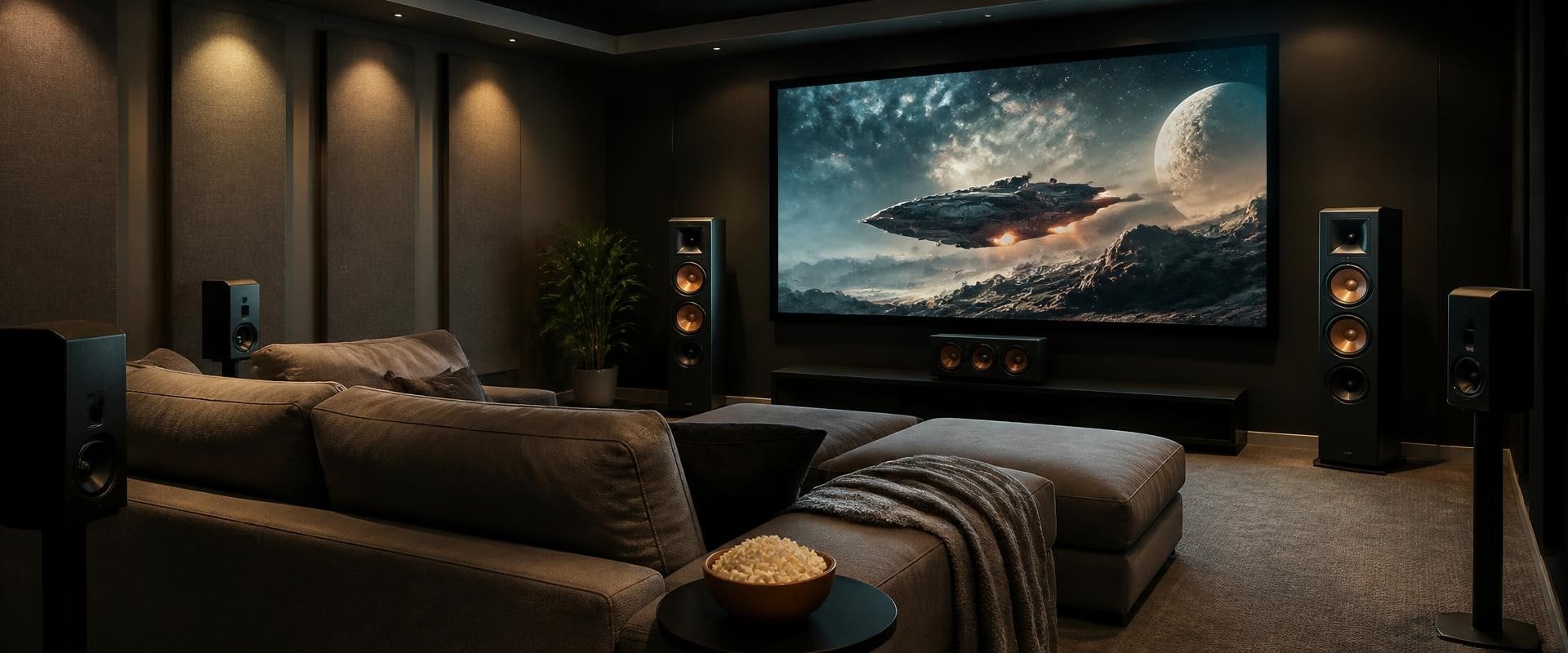
Creating an immersive home theater experience hinges significantly on the quality of your home audio installation. While visuals play a crucial role in film and gaming, it is the audio that truly brings the experience to life. Imagine watching your favorite movie and feeling every explosion, whisper, and musical note as if you were right in the middle of the action. This is the magic of a well-executed home theater audio setup. Understanding the fundamentals of audio setup basics is essential for anyone looking to enhance their home entertainment system.
From selecting the right speakers to configuring your receiver, each component plays a vital role in delivering high-fidelity sound. A comprehensive approach to home audio installation not only involves choosing quality equipment but also understanding how to position and connect these components for optimal performance. As we delve deeper into this topic, we will explore various aspects of home audio installation, including speaker types, placement strategies, and the importance of acoustics. By grasping these concepts, you can transform your living space into a personal cinema that rivals commercial theaters, ensuring that every movie night or gaming session is an unforgettable auditory experience.
Essential Components of a Home Audio System
Creating an immersive home theater experience begins with understanding the essential components of a home audio system. Each element plays a crucial role in delivering high-quality sound that enhances your viewing experience.- Speakers: The backbone of any audio system, speakers come in various types, including floor-standing, bookshelf, and satellite speakers.
For a surround sound setup, consider a combination of these types to create a balanced audio environment.
Subwoofers
are also vital for deep bass, adding richness to music and movie soundtracks. - Receivers: A receiver acts as the hub of your audio system, connecting all your components. It processes audio signals and amplifies them for your speakers. Look for a receiver that supports the latest audio formats and has enough channels to accommodate your speaker setup.
- Soundbars: If space is limited or you prefer a simpler setup, soundbars are an excellent alternative.
They provide a compact solution without sacrificing sound quality. Many modern soundbars come with built-in subwoofers and support for surround sound technologies, making them ideal for smaller rooms.
Understanding how each component works together will help you make informed decisions that elevate your audio enjoyment.
Choosing the Right Speakers for Your Space
Creating an immersive home theater experience begins with selecting the right speakers for your space. The type of speakers you choose can significantly impact the overall sound quality and enjoyment of your audio setup. Here are some key considerations to help you make an informed decision.Types of Speakers
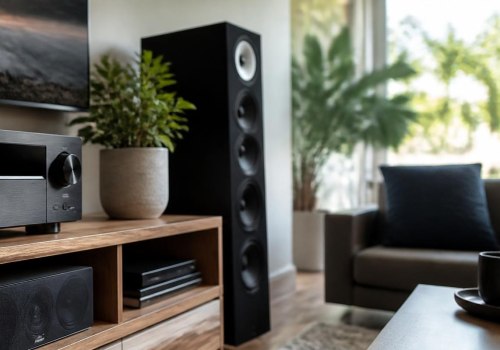
- Floor-standing Speakers: These are ideal for larger rooms and provide powerful sound with deep bass. They often serve as the main front speakers in a surround sound setup.
- Bookshelf Speakers: Perfect for smaller spaces, bookshelf speakers can deliver excellent sound quality without taking up too much room.
They can be placed on shelves or stands and are often used as surround speakers.
- In-wall and In-ceiling Speakers: For a clean aesthetic, in-wall and in-ceiling speakers are a great choice. They blend seamlessly into your home’s architecture and can provide a surround sound experience without visible equipment.
Choosing Based on Room Size
The size of your room plays a crucial role in determining the best speakers for your home theater. In larger spaces, you may want to opt for floor-standing speakers that can fill the room with sound. Conversely, in smaller areas, bookshelf or compact speakers may suffice while still delivering high-quality audio.Acoustic Considerations
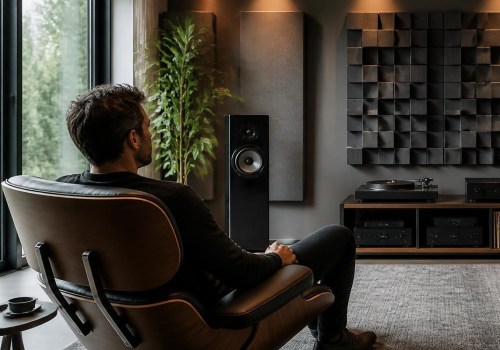
Understanding the acoustics of your room is essential when selecting speakers.Hard surfaces like tile or glass can create echoes, while soft furnishings can absorb sound. Consider using acoustic panels or rugs to enhance sound quality. Additionally, placing speakers at ear level and ensuring they are positioned correctly can greatly improve your listening experience. Ultimately, the best speakers for your home theater will depend on your specific needs, preferences, and the characteristics of your space. By carefully considering speaker types and how they interact with your room's acoustics, you can create a captivating audio environment that enhances your movie-watching experience.
Setting Up Your Audio System: Step-by-Step Guide
Creating an immersive home theater experience begins with a well-planned home audio installation.Follow this step-by-step guide to set up your audio system effectively.
- Choose Your Audio Equipment: Start by selecting the right components for your system. Consider a receiver, speakers, and subwoofers that fit your space and budget. Popular configurations include 5.1 or 7.1 surround sound systems.
- Plan Your Layout: Before installation, sketch a layout of your room. Identify where you will place your TV, seating, and speakers.
This will help you visualize the best speaker placement for optimal sound.
- Speaker Placement Tips: Proper speaker placement is crucial for achieving the best audio experience. Here are some guidelines:
- Front Speakers: Position the left and right speakers at ear level, approximately 22-30 degrees from the center of your seating area.
- Center Speaker: Place it directly above or below your TV screen, angled towards the listening area.
- Surround Speakers: Install these at ear level or slightly above, ideally 90-110 degrees from the listening position.
- Subwoofer: Experiment with placement; corners can enhance bass but may cause muddiness. Try different locations to find the sweet spot.
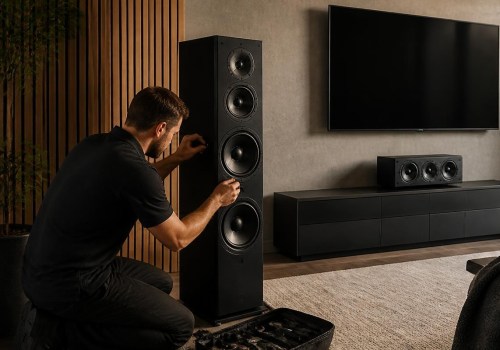
- Wiring Your System: Use high-quality speaker wire to connect your speakers to the receiver. Ensure that you maintain consistent polarity (positive to positive and negative to negative) to avoid phase issues.
- Calibration: Once everything is connected, use your receiver’s calibration tool or manual settings to adjust levels and distances for each speaker.
This step is vital for balancing sound across your room.
Integrating Audio with Video for a Complete Experience
Creating a seamless home theater experience requires careful integration of audio and video components. When these elements work in harmony, they enhance the overall enjoyment of movies, music, and gaming. Here are some essential tips for achieving optimal audio video integration.- Choose the Right Equipment: Start with high-quality audio equipment that complements your video setup.
Look for receivers that support the latest audio formats, such as Dolby Atmos or DTS:X, to ensure immersive sound.
- Positioning Matters: Proper placement of speakers is crucial. Surround sound systems should be arranged to create an enveloping audio experience. Consider using a 5.1 or 7.1 channel setup, where speakers are strategically placed around the room.
- Use Quality Cables: Invest in good-quality cables to connect your audio and video devices. Poor cables can lead to signal loss and degrade sound quality, disrupting the synchronization between audio and video.
- Syncing Audio and Video: One of the most critical aspects of a home theater setup is ensuring that audio and video are perfectly synchronized.
Many modern receivers come with built-in calibration tools that help adjust the timing of audio signals to match the video output.
- Adjust Settings: Take time to fine-tune your system settings. Most AV receivers allow you to adjust delay settings for each speaker, which can help in achieving perfect sync. Additionally, check your TV settings for any audio delay options.
- Test with Different Content: After setting up your system, test it with various types of content—movies, music, and games—to ensure that the audio remains in sync across all formats.
Common Challenges in Home Audio Installation and Solutions
When embarking on a home audio installation, several common challenges can arise, potentially hindering your overall experience.Understanding these issues and their solutions can help you achieve the best sound quality possible.
Common Problems and Solutions
- Incorrect Speaker Placement: One of the most frequent mistakes is improper speaker placement. Speakers should be positioned at ear level and equidistant from the primary listening area. To resolve this, experiment with different placements and use a sound meter app to measure audio levels from various spots.
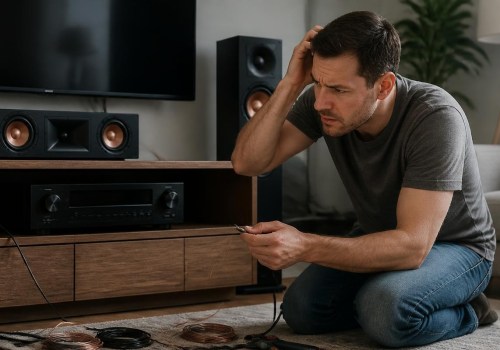
- Wiring Issues: Poorly connected or damaged wires can lead to audio dropouts or distortion. Ensure all connections are secure and consider using high-quality cables.
If you encounter persistent issues, inspect the wiring for any visible damage or consider replacing it.
- Incompatible Equipment: Sometimes, components may not work well together due to compatibility issues. Always check the specifications of your devices before purchasing. If you find incompatibilities, look for firmware updates or consult with a professional for alternative solutions.
- Room Acoustics: The acoustics of your room can significantly affect sound quality. Hard surfaces can create echoes, while soft furnishings can absorb sound.
To improve acoustics, consider adding rugs, curtains, or acoustic panels to balance sound reflections.
Troubleshooting Audio Issues
If you experience audio issues after installation, follow these troubleshooting steps:- Check Connections: Ensure all cables are securely connected and that there are no loose ends.
- Test Different Sources: Try playing audio from different devices to determine if the issue lies with a specific source.
- Adjust Settings: Review your audio settings on both the receiver and the source device. Sometimes, simple adjustments can resolve complex issues.
Enhancing Your Home Theater Experience with Smart Technology
Incorporating smart technology into your home theater can significantly elevate your audio experience. With the rise of smart home audio systems, you can enjoy seamless integration and control over your entertainment setup.Smart Home Audio Systems
- Multi-Room Audio: Systems like Sonos or Bose allow you to play music in multiple rooms simultaneously, creating a cohesive audio experience throughout your home.
- Streaming Services: Many smart audio systems come with built-in support for popular streaming services, enabling you to access your favorite playlists and podcasts effortlessly.
- High-Quality Sound: Look for systems that support high-resolution audio formats to ensure that you’re getting the best sound quality possible.
Automation in Home Theaters
Automation can streamline your home theater experience, allowing you to control various components with ease. Consider the following:
- Smart Remotes: Universal remotes can control all your devices, from your TV to your sound system, reducing clutter and simplifying operation.
- Scene Setting: Create specific scenes for different activities—like movie night or gaming—where all devices adjust automatically to your preferred settings.
- Integration with Smart Home Hubs: Systems like Amazon Alexa or Google Home can manage your audio setup alongside other smart devices, enhancing convenience.
Voice Control Audio Systems
The convenience of voice control cannot be overstated.
With voice-activated systems, you can:
- Play Music: Simply ask your smart speaker to play a specific song or genre without needing to navigate through apps.
- Adjust Volume: Control the volume hands-free, which is particularly useful during intense movie scenes or when you're busy with other tasks.
- Search for Content: Use voice commands to find movies or shows across various streaming platforms, making it easier to discover new content.
FAQs About Home Audio Installation
When considering home audio installation, many homeowners have questions about the setup process, troubleshooting, and optimizing their audio experience. Here are some frequently asked questions that can help guide you through your home audio journey.What are the essential components for a home audio system?
- Receiver: Acts as the hub for your audio system, connecting all components.
- Speakers: Choose between floor-standing, bookshelf, or in-wall speakers based on your space.
- Subwoofer: Enhances low-frequency sounds for a richer audio experience.
- Source devices: Include Blu-ray players, streaming devices, or gaming consoles.
How do I troubleshoot common audio issues?
- No sound: Check connections, ensure the receiver is set to the correct input, and verify that the speakers are powered on.
- Poor sound quality: Inspect speaker placement and ensure they are not obstructed. Adjust settings on your receiver for optimal performance.
- Audio sync issues: Look for settings in your receiver or TV that allow you to adjust audio delay.
Can I install a home audio system myself?
Yes, many homeowners opt for DIY installations. However, it’s important to follow manufacturer instructions carefully and consider professional help if you encounter complex wiring or configuration challenges.What is the best way to position my speakers?
Speaker placement is crucial for achieving optimal sound.Generally, front speakers should be positioned at ear level when seated, while surround speakers should be placed slightly above ear level and angled towards the listening area. Experiment with placement to find what sounds best in your space. If you have more specific questions about home audio installation, don’t hesitate to consult with professionals or refer to online resources for detailed guidance tailored to your unique setup.
Conclusion: Crafting Your Perfect Home Theater Audio Experience
In conclusion, creating a captivating home theater audio experience hinges on the quality of your home audio installation. By carefully selecting the right components and ensuring they are properly configured, you can transform your living space into a cinematic haven. Throughout this article, we explored several key elements that contribute to an immersive audio experience:- Speaker Placement: The positioning of your speakers is crucial. Proper placement enhances soundstage and clarity, allowing you to feel as if you are part of the action.
- Receiver Selection: Choosing a high-quality AV receiver ensures that all your audio sources are managed effectively, providing seamless integration and superior sound quality.
- Acoustic Treatment: Implementing acoustic treatments can significantly improve sound quality by reducing unwanted echoes and enhancing clarity.
- Calibration: Taking the time to calibrate your system using tools or professional services can optimize performance, ensuring that every sound is delivered as intended.
Whether you’re watching movies, playing video games, or listening to music, the right audio setup can make all the difference. As you embark on your journey to create the perfect home theater audio experience, remember that attention to detail is key. From selecting the right equipment to fine-tuning your setup, each step plays a vital role in achieving an immersive environment that rivals any commercial theater. Ultimately, with the right approach and dedication, you can craft a home theater that delivers stunning audio performance and unforgettable experiences for you and your guests.