Creating Your Perfect Home Audio Installation: A Step-by-Step Guide
Learn how to create a custom home audio installation with our comprehensive step-by-step guide for optimal sound quality and enjoyment.

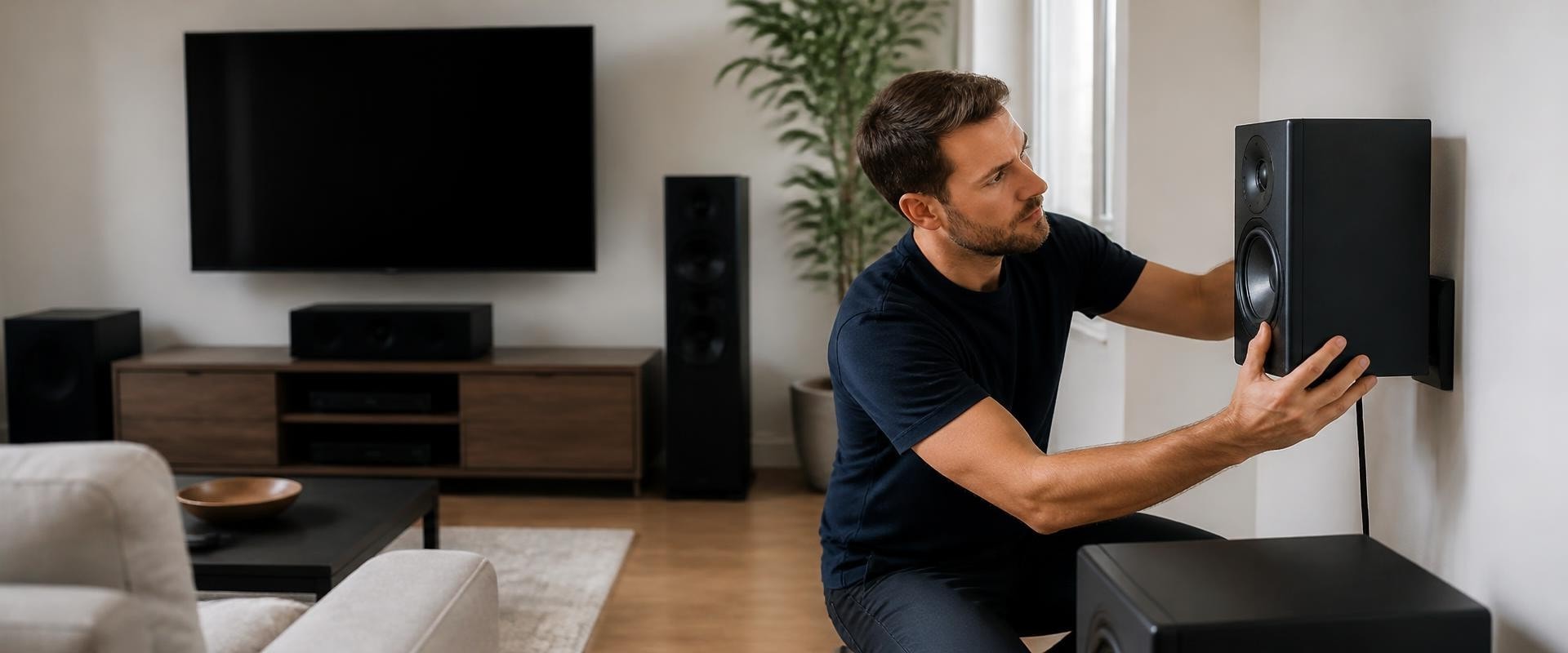
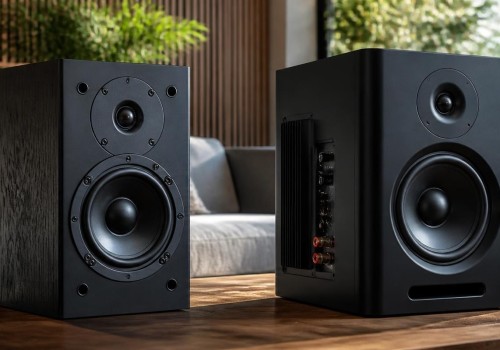
Creating a custom audio solution for your home begins with a solid understanding of home audio systems. These systems can transform your living space into a personal concert hall or a cinematic experience, making it essential to grasp the various types available. From simple stereo setups to complex multi-room systems, each configuration offers unique benefits tailored to different preferences and needs. When exploring types of audio systems, you’ll encounter options such as stereo systems, which provide a straightforward two-speaker setup, and surround sound systems, designed for immersive audio experiences. Additionally, wireless audio solutions have gained popularity, allowing for seamless streaming from devices without the clutter of cables.
Understanding these distinctions will help you choose the right system that aligns with your lifestyle and space. The benefits of investing in a quality home audio installation extend beyond mere sound quality. A well-designed audio system can enhance your entertainment experience, improve the ambiance of your home, and even increase property value. Key components such as speakers, amplifiers, and receivers play crucial roles in delivering high-fidelity sound. By familiarizing yourself with these components, you can make informed decisions that lead to a customized audio solution that meets your specific requirements.
Planning Your Home Audio Installation
Creating a custom audio solution for your home begins with careful planning.This phase is crucial as it sets the foundation for achieving optimal sound quality. Here are some key considerations to keep in mind:
Understanding Room Acoustics
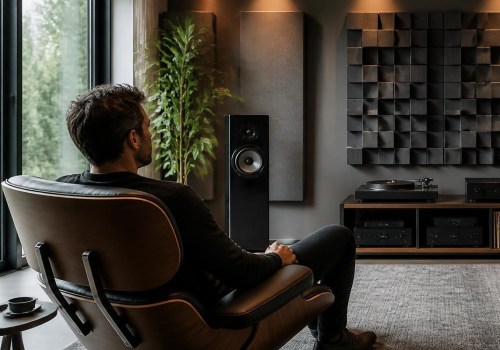
The acoustics of your room play a significant role in how sound is perceived. Factors such as room size, shape, and materials can affect sound quality. To enhance acoustics:- Identify reflective surfaces: Hard surfaces like tile or glass can create echoes.
Consider adding rugs, curtains, or acoustic panels to absorb sound.
- Evaluate room dimensions: Larger rooms may require more powerful speakers or additional subwoofers to fill the space effectively.
- Consider furniture placement: Sofas and chairs can help diffuse sound waves, so arrange them thoughtfully to improve audio experience.
Speaker Placement
Proper speaker placement is essential for achieving balanced sound. Here are some tips:- Follow the triangle rule: Position your speakers and listening area in a triangular formation for optimal sound staging.
- Height matters: Place speakers at ear level when seated to ensure the best audio clarity.
- Avoid corners: Placing speakers too close to walls or corners can lead to bass buildup, which may distort sound.
Wiring Considerations
The wiring of your audio system is another critical aspect of your installation. Consider the following:- Choose quality cables: Invest in high-quality speaker wires and connectors to minimize signal loss.
- Plan cable routes: Avoid running wires parallel to electrical cables to reduce interference. Conceal wiring for a cleaner look.
- Future-proof your setup: Consider installing extra conduits or outlets for potential upgrades down the line.
Installation Process: Step-by-Step Guide
Installing a home audio system can seem daunting, but with the right approach, you can achieve a professional-quality setup.Here’s a step-by-step guide to help you through the home audio installation process.
- Plan Your System: Before diving into installation, assess your space and determine what type of audio system suits your needs. Consider factors like room size, speaker placement, and whether you want a wired or wireless setup.
- Gather Your Equipment: Purchase all necessary components, including speakers, an amplifier or receiver, cables, and any additional accessories. Ensure compatibility between devices to avoid issues during installation.
- Prepare Your Space: Clear the area where you’ll be installing the audio system. This includes removing furniture or obstacles that may hinder speaker placement or cable management.
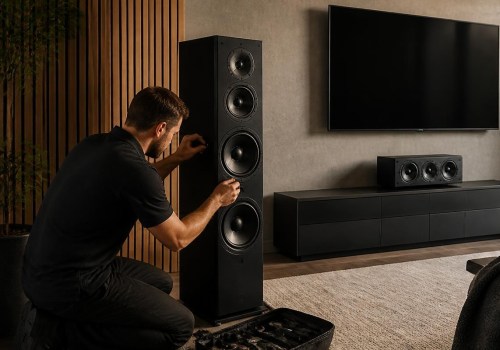
- Install Speakers: Start by positioning your speakers according to your plan.
For optimal sound quality, place them at ear level and ensure they are equidistant from your main listening area. Use wall mounts or stands as needed.
- Connect Components: Follow the manufacturer’s instructions to connect your speakers to the amplifier or receiver. Use high-quality cables to minimize signal loss. If you’re going wireless, ensure your devices are properly paired.
- Test Your Setup: Once everything is connected, power on your system and test each component.
Play various audio sources to check for clarity and balance. Adjust speaker placement if necessary for optimal sound.
- Troubleshoot Issues: If you encounter problems, consult the user manuals for troubleshooting tips. Common issues include poor sound quality or connectivity problems that can often be resolved by checking connections.
A professional can also provide valuable advice on equipment selection and future upgrades. Whether you choose to go the DIY route or enlist professional help, following these steps will lead you toward a successful home audio installation that enhances your listening experience.
Integrating Smart Technology into Your Audio System
Integrating smart technology into your home audio installation can significantly enhance your listening experience, providing both convenience and versatility. With the rise of wireless speakers and smart assistants, creating a seamless audio environment has never been easier.Wireless speakers
are a cornerstone of modern audio systems. They eliminate the need for cumbersome wiring, allowing you to place speakers anywhere in your home without the hassle of installation. Many wireless speakers also support multi-room audio, enabling you to play different music in different rooms or synchronize playback throughout your home. When selecting wireless speakers, consider models that are compatible with popular smart home ecosystems.Brands like Sonos, Bose, and Amazon Echo offer products that integrate effortlessly with smart assistants such as Alexa or Google Assistant. This integration allows you to control your audio system using voice commands, making it easy to adjust volume, change tracks, or switch playlists without lifting a finger.
Smart assistants
play a crucial role in enhancing your home audio experience. By connecting your audio system to a smart assistant, you can create customized playlists, access streaming services, and even control other smart devices in your home. For instance, you can ask your assistant to play your favorite playlist while dimming the lights for a cozy movie night.
Moreover, integrating home automation features can elevate your audio setup further.
Consider setting up routines that automatically adjust your audio settings based on the time of day or specific activities. For example, you could program your system to play soft music in the morning and switch to upbeat tunes during workout sessions. In conclusion, by incorporating smart technology, wired and wireless speakers, and smart assistants, you can create a highly functional and enjoyable home audio installation that caters to your lifestyle needs.
Common Issues and Troubleshooting Tips
When setting up your home audio installation, you may encounter various issues that can disrupt your listening experience. Understanding these common problems and knowing how to troubleshoot them can save you time and frustration.Common Audio Problems
- No Sound: This is one of the most frequent issues. Check if the speakers are powered on and properly connected to the receiver.
- Distorted Sound: If your audio sounds fuzzy or unclear, it could be due to incorrect speaker placement or settings.
Ensure that your speakers are not too close to walls or other objects that may interfere with sound quality.
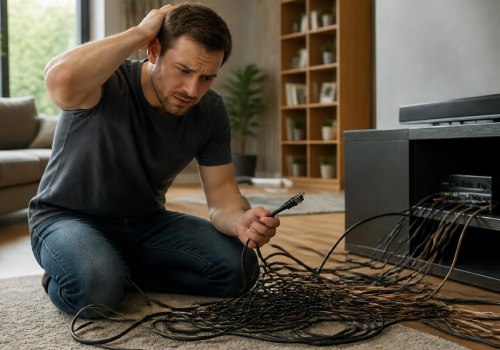
- Intermittent Sound: This can occur due to loose connections or faulty cables. Inspect all connections and replace any damaged cables.
- Low Volume: If the sound is too quiet, check the volume settings on both the audio source and the speakers. Additionally, ensure that any equalizer settings are not set too low.
Troubleshooting Tips
- Check Connections: Always start by verifying that all cables are securely connected. Loose connections can lead to a variety of sound issues.
- Test Different Sources: If you're experiencing problems with one audio source, try switching to another (like a different device or streaming service) to determine if the issue lies with the source itself.
- Adjust Settings: Dive into your audio settings.
Sometimes, a simple adjustment in the equalizer or surround sound settings can resolve distortion or low volume issues.
- Update Firmware: For smart audio systems, ensure that your firmware is up-to-date. Manufacturers often release updates that fix bugs and improve performance.
Maintaining Your Home Audio System
Maintaining your home audio system is crucial for ensuring its longevity and optimal performance. Regular upkeep not only enhances sound quality but also prevents costly repairs down the line. Here are some essential audio system maintenance tips to keep your setup in top condition.- Regular Cleaning: Dust and debris can accumulate on your speakers and components, affecting sound quality.
Use a soft, dry microfiber cloth to gently wipe down surfaces. For speaker grilles, a vacuum with a brush attachment can help remove dust without damaging the fabric.
- Avoid Direct Sunlight: Position your audio equipment away from direct sunlight to prevent overheating and fading of materials. Excessive heat can shorten the lifespan of electronic components.
- Check Connections: Periodically inspect all cables and connections for wear and tear. Loose or damaged cables can lead to poor sound quality or complete system failure.
Ensure that all connections are secure and replace any frayed cables immediately.
- Keep Equipment Ventilated: Ensure that your audio components have adequate ventilation. Avoid stacking equipment directly on top of each other, as this can trap heat and lead to overheating.
- Update Firmware: If your audio system includes smart features, regularly check for firmware updates. Keeping your system updated can enhance performance and fix bugs that may affect sound quality.
Frequently Asked Questions about Home Audio Installation
When considering home audio installation, many homeowners have questions that can help them make informed decisions.Here are some of the most frequently asked questions:
- What types of audio systems are available for home installation?
There are several types of audio systems, including:
- Multi-room audio systems that allow you to play music in different rooms simultaneously.
- Surround sound systems designed for home theaters, providing an immersive audio experience.
- Wireless audio systems that connect via Wi-Fi or Bluetooth for easy streaming.
- How do I choose the right speakers for my space?
Consider the size of your room, the acoustics, and your personal preferences. Larger rooms may require floor-standing speakers, while smaller spaces might benefit from bookshelf speakers. - Can I integrate my existing audio equipment?
Yes, many modern systems are designed to work with existing equipment. Consult with a professional installer to ensure compatibility. - What is the average cost of home audio installation?
Costs can vary widely based on the complexity of the system and installation. Basic setups may start around $500, while high-end installations can exceed $5,000. - Do I need professional installation?
While some homeowners may choose to install systems themselves, hiring a professional can ensure optimal performance and save time.Professionals can also provide valuable advice on system design and placement.
Conclusion: Bringing Your Custom Audio Solution to Life
Creating a custom audio solution for your home is an exciting journey that can significantly enhance your listening experience. Throughout this article, we have explored various aspects of home audio installation, from understanding your space and selecting the right equipment to ensuring optimal sound quality. To recap, here are the key steps to consider:- Assess Your Space: Evaluate the size and layout of your rooms to determine the best placement for speakers and other audio components.
- Select Quality Equipment: Invest in high-quality speakers, receivers, and other audio devices that suit your needs and budget.
- Plan Your Installation: Decide whether you will handle the installation yourself or hire a professional. Each option has its benefits, depending on your skill level and the complexity of the system.
- Tune Your System: Once installed, take the time to calibrate your audio settings for optimal performance. This may involve adjusting speaker placement, equalization settings, and more.
Start by outlining your goals and preferences for your home audio system. Consider what types of media you enjoy most—whether it’s music, movies, or gaming—and tailor your setup accordingly. Don’t hesitate to reach out to professionals if you feel overwhelmed; their expertise can save you time and ensure a seamless installation process. Remember, the ultimate goal is to create an immersive audio environment that enhances your daily life. With careful planning and execution, your dream home audio installation is within reach. Embrace the process and enjoy the rich soundscapes that await you!.