Exploring the Latest Trends in Home Audio Technology for Installation Enthusiasts
Discover the latest trends in home audio technology, including smart systems, wireless solutions, and high-resolution formats for optimal installation.

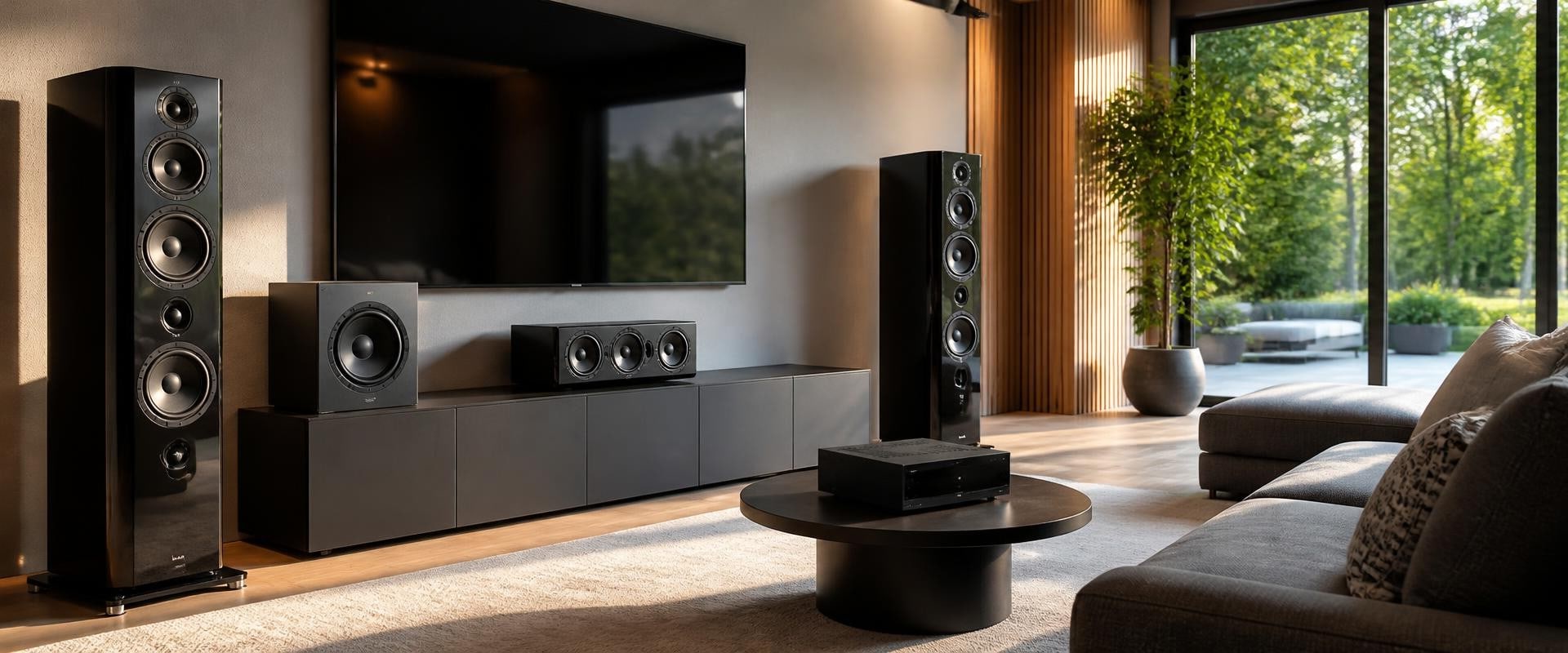
As technology continues to evolve at a rapid pace, home audio technology trends are reshaping the way we experience sound in our living spaces. From immersive surround sound systems to smart speakers that integrate seamlessly with our daily lives, the latest advancements are not just enhancing audio quality but also transforming the entire home audio installation process. Understanding these trends is essential for homeowners looking to create an optimal audio environment that meets their entertainment needs. One of the most significant shifts in recent years has been the rise of wireless audio solutions. With the advent of Bluetooth and Wi-Fi streaming technologies, traditional wired setups are becoming less common.
This shift allows for greater flexibility in home audio installation, enabling users to place speakers anywhere without the hassle of running cables. Additionally, multi-room audio systems are gaining popularity, allowing homeowners to enjoy synchronized music throughout their homes with just a few taps on their smartphones. Moreover, advancements in sound processing technology have led to more sophisticated audio formats, such as Dolby Atmos and DTS:X, which provide a three-dimensional sound experience. These formats require specific installation techniques and equipment, making it crucial for homeowners to stay informed about the latest audio tech trends. As we delve deeper into this article, we will explore how these innovations impact not only the quality of sound but also the overall aesthetic and functionality of home audio systems.
The Rise of Smart Home Audio Systems
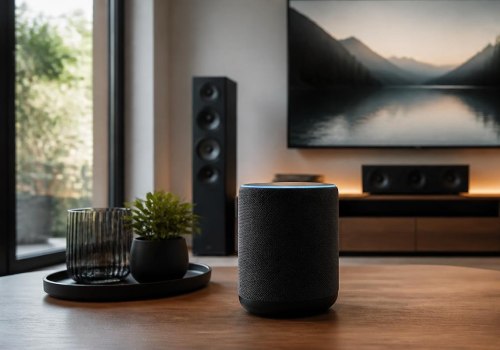
The integration of smart home audio systems into residential spaces has transformed the way we experience sound.These systems not only enhance audio quality but also offer unparalleled convenience through voice control and seamless connectivity. One of the most significant advancements in this realm is the rise of voice-controlled audio. With devices like Amazon Echo and Google Nest, users can effortlessly manage their music, podcasts, and audiobooks using simple voice commands. This hands-free operation is particularly appealing for busy households where multitasking is essential. Moreover, the installation of smart speakers has become increasingly straightforward. Many modern systems are designed for easy setup, allowing homeowners to integrate them into existing home audio installations without extensive rewiring or technical expertise.
Here are some key benefits of smart home audio systems:
- Multi-Room Audio: Users can enjoy synchronized music throughout their homes, creating a cohesive listening experience.
- Personalized Playlists: Smart systems learn user preferences over time, curating playlists that match individual tastes.
- Integration with Other Smart Devices: These audio systems can connect with other smart home devices, such as lighting and security systems, enhancing overall home automation.
- Remote Control: Users can control their audio systems from anywhere using mobile apps, making it easy to adjust settings on the go.
Wireless Audio Solutions: Convenience and Quality
In recent years, the shift towards wireless audio solutions has transformed the landscape of home audio installation. Consumers are increasingly opting for Bluetooth speakers and Wi-Fi audio systems due to their unparalleled convenience and enhanced sound quality.Bluetooth Speakers
- Portability: Bluetooth speakers are designed for easy mobility, allowing users to enjoy high-quality sound in any room or even outdoors.
- Simplicity: With straightforward pairing processes, Bluetooth technology eliminates the need for complex wiring, making installation a breeze.
- Affordability: The market offers a wide range of Bluetooth speakers at various price points, catering to different budgets without compromising on sound quality.
Wi-Fi Audio Systems
- Multi-Room Capability: Wi-Fi audio systems enable seamless streaming across multiple rooms, allowing users to create a cohesive audio experience throughout their home.
- Superior Sound Quality: Unlike Bluetooth, Wi-Fi systems can transmit higher quality audio files, resulting in a richer listening experience.
- Integration with Smart Home Devices: Many Wi-Fi audio systems can be integrated with smart home technology, providing voice control and automation features that enhance user convenience.
High-Resolution Audio Formats: What You Need to Know
In the realm of home audio installation, understanding high-resolution audio formats is crucial for audiophiles and casual listeners alike.These formats provide a significant upgrade over traditional audio files, offering a richer and more detailed listening experience.
High-resolution audio
refers to audio files that have a higher sampling rate and bit depth than standard CD quality. While CDs typically offer 16-bit depth at 44.1 kHz, high-resolution formats can reach up to 24-bit depth at 192 kHz or even higher. This increase in data allows for a more accurate representation of sound, capturing nuances that are often lost in compressed formats.Benefits of Lossless Audio
One of the most significant advantages of high-resolution audio is its lossless nature. Unlike lossy formats such as MP3, which discard data to reduce file size, lossless audio retains all original sound information.This means that listeners can enjoy music as it was intended to be heard, with all the subtleties and dynamics intact.
Considerations for Home Audio Installation
When planning your home audio installation, there are several factors to consider regarding high-resolution audio:- Equipment Compatibility: Ensure that your audio equipment, including speakers and receivers, supports high-resolution formats. Look for devices that can decode formats like FLAC, ALAC, or DSD.
- Source Material: Invest in high-resolution music files or streaming services that offer lossless options. Many platforms now provide access to extensive libraries of high-res music.
- Cabling and Connections: Use quality cables and connections to minimize signal loss during transmission. HDMI and optical cables are often recommended for high-res setups.
By prioritizing lossless audio and ensuring compatibility with your equipment, you can enjoy music with unparalleled clarity and depth.
Multi-Room Audio Systems: Seamless Sound Throughout Your Home
In recent years, multi-room audio systems have surged in popularity, transforming the way we experience sound in our homes. These systems allow users to enjoy music and audio content seamlessly across multiple rooms, creating a cohesive listening experience that enhances everyday living. One of the key advantages of whole-home audio installation is the ability to control sound in different areas of your home independently. Whether you want to fill your living room with upbeat tunes during a gathering or enjoy a podcast in the kitchen while cooking, multi-room systems provide the flexibility to cater to various moods and activities. When considering a distributed sound system, there are several factors to keep in mind:- Wiring and Connectivity: Proper installation often requires running wires through walls or ceilings, which can be complex. Wireless options are available but may have limitations in terms of range and sound quality.
- Speaker Placement: The positioning of speakers is crucial for optimal sound distribution.
Consider acoustics and layout to ensure that every room benefits from clear audio.
- Control Systems: Many modern multi-room audio systems come with user-friendly apps or smart home integration, allowing you to manage your audio experience from your smartphone or tablet.
Integration with Home Automation Systems
As the demand for home audio installation continues to grow, the integration of audio systems with home automation is becoming increasingly prevalent. This synergy not only enhances the listening experience but also streamlines the management of various connected devices within a smart home environment. One of the most significant trends in this area is the ability to control audio systems through centralized smart home hubs.These hubs allow users to manage their smart home audio installation alongside other devices such as lighting, security systems, and climate controls. For instance, homeowners can easily adjust their audio settings using voice commands via virtual assistants like Amazon Alexa or Google Assistant.
- Seamless Connectivity: Modern audio systems are designed to connect effortlessly with other smart devices. This means that users can play music from their smartphones, tablets, or computers directly through their home audio systems without complicated setups.
- Multi-Room Audio: Integration with home automation allows for multi-room audio setups, enabling users to enjoy synchronized music throughout their homes. This feature is particularly appealing for entertaining guests or creating a cohesive atmosphere during gatherings.
- Personalized Experiences: Smart home audio systems can learn user preferences over time, adjusting playlists and volume levels based on individual habits and routines.
This level of personalization enhances user satisfaction and engagement.
Trends in Audio Equipment Design and Aesthetics
As the demand for home audio installation continues to grow, so does the emphasis on the design and aesthetics of audio equipment. Consumers are increasingly looking for solutions that not only deliver exceptional sound quality but also enhance the visual appeal of their living spaces.Minimalist Designs
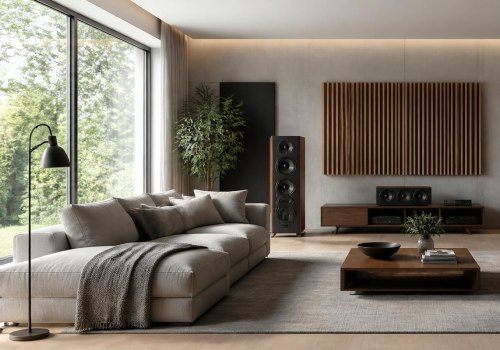
One of the most notable trends in audio equipment design is the shift towards minimalist aesthetics.Manufacturers are creating sleek, unobtrusive speakers that blend seamlessly into modern interiors. These designs often feature clean lines, neutral colors, and materials like wood and metal that complement contemporary decor.
Smart Integration
The rise of smart home technology has also influenced audio equipment design. Many new speakers and sound systems are designed to integrate with smart home ecosystems, allowing for stylish speakers installation that can be controlled via mobile apps or voice commands. This functionality is often paired with elegant designs that make these devices a focal point in any room.Customizable Aesthetics
Another trend gaining traction is the ability to customize audio equipment.Brands are offering options for interchangeable covers or customizable finishes, allowing consumers to match their audio gear with their personal style or existing home decor. This trend not only enhances the aesthetic appeal but also encourages users to invest in high-quality audio solutions.
Artistic Collaborations
Some companies are collaborating with artists and designers to create limited-edition audio products that serve as both functional devices and pieces of art. These collaborations often result in unique designs that stand out and can be conversation starters in any home. In conclusion, the latest trends in audio equipment design reflect a growing desire for products that marry form and function. As consumers prioritize aesthetics alongside performance, the future of home audio installation looks promising, with innovative designs set to transform how we experience sound in our homes.Sustainability in Home Audio Technology
As consumers become increasingly aware of their environmental impact, the trend towards sustainability in home audio technology has gained significant traction.This shift is not only about enhancing sound quality but also about making responsible choices that benefit the planet. One of the most notable advancements in this area is the use of eco-friendly materials in the production of audio equipment. Manufacturers are now sourcing sustainable woods, recycled plastics, and biodegradable components to create speakers and sound systems that minimize environmental harm. For instance, some brands have begun using bamboo and reclaimed wood for speaker enclosures, which not only reduces waste but also provides unique acoustic properties.
Green Home Installations
In addition to sustainable materials, green home installations are becoming a priority for many homeowners. This includes energy-efficient audio systems that consume less power without sacrificing performance.Smart home technology plays a crucial role here, allowing users to control their audio systems remotely and optimize energy usage based on their habits.
- Energy-efficient amplifiers: These devices are designed to use less electricity while delivering high-quality sound.
- Wireless systems: Reducing the need for extensive wiring not only simplifies installation but also decreases material waste.
- Recycling programs: Many companies now offer take-back programs for old audio equipment, ensuring that outdated devices are disposed of responsibly.
FAQs About Home Audio Installation Trends
As home audio technology continues to evolve, many homeowners have questions about the latest trends in home audio installation. Here are some frequently asked questions that can help clarify these trends:What are the most popular types of home audio systems today?
Currently, the most sought-after systems include:- Multi-room audio systems: These allow users to play music in different rooms simultaneously, controlled via smartphone apps.
- Soundbars: Compact and powerful, soundbars enhance TV audio without the need for extensive wiring.
- Wireless speakers: Bluetooth and Wi-Fi-enabled speakers offer flexibility and ease of use, making them a favorite among tech-savvy homeowners.
How important is professional installation for home audio systems?
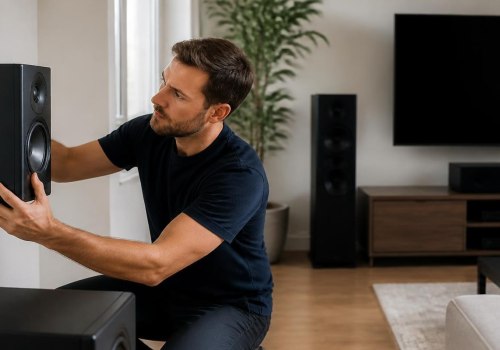
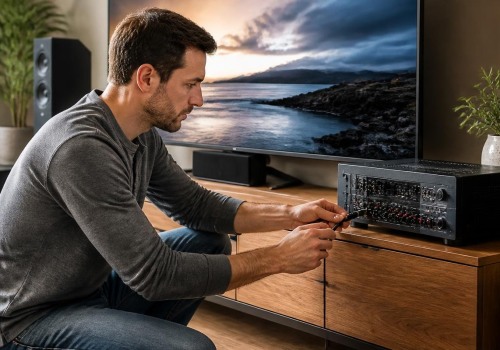
While DIY installations are possible, professional home audio installation ensures optimal performance.Experts can:
- Assess room acoustics and recommend the best speaker placement.
- Integrate systems seamlessly with existing home technology.
- Provide ongoing support and troubleshooting.
Are smart home integrations a trend in audio installations?
Absolutely! Many homeowners are opting for smart home integrations, allowing them to control their audio systems through voice commands or mobile apps. This trend enhances convenience and accessibility, making it easier to enjoy music throughout the home.What should I consider when upgrading my home audio system?
When considering an upgrade, keep these factors in mind:- Budget: Determine how much you’re willing to invest in your audio system.
- Space: Assess the size of your rooms and choose equipment that fits well without overwhelming the space.
- Compatibility: Ensure new devices work with your existing technology for a seamless experience.
Conclusion: Embracing the Future of Home Audio Technology
As we conclude our exploration of the latest trends in home audio technology, it becomes clear that staying informed is crucial for anyone looking to enhance their home audio installation. The rapid evolution of technology means that what was cutting-edge yesterday may soon become obsolete. Therefore, understanding these trends not only helps in making informed purchasing decisions but also ensures that your audio setup remains relevant and effective. One of the most significant trends is the shift towards smart home integration.With devices like smart speakers and voice assistants becoming commonplace, integrating your audio system with these technologies can greatly enhance user experience. This allows for seamless control over your audio environment, enabling you to adjust settings with simple voice commands. Another key trend is the rise of high-resolution audio. As streaming services begin to offer lossless audio formats, audiophiles are increasingly seeking systems that can deliver superior sound quality. Investing in high-quality components during your home audio installation can make a noticeable difference in sound fidelity. Moreover, the popularity of multi-room audio systems continues to grow.
These systems allow users to enjoy synchronized music throughout their homes, creating a cohesive listening experience. When planning your installation, consider how multi-room capabilities can enhance your lifestyle. Lastly, sustainability is becoming a focal point in technology development. Many manufacturers are now prioritizing eco-friendly materials and energy-efficient designs in their products. This trend not only benefits the environment but also appeals to consumers who are increasingly conscious of their ecological footprint. In summary, embracing these trends in home audio technology will not only improve your listening experience but also ensure that your installations are future-proof.
By staying updated and adapting to these advancements, you can create a home audio environment that is both innovative and enjoyable.