Connecting Smart Devices to Your Home Audio System: A Step-by-Step Guide
Learn how to seamlessly connect smart devices to your home audio system for an enhanced listening experience with our step-by-step guide.

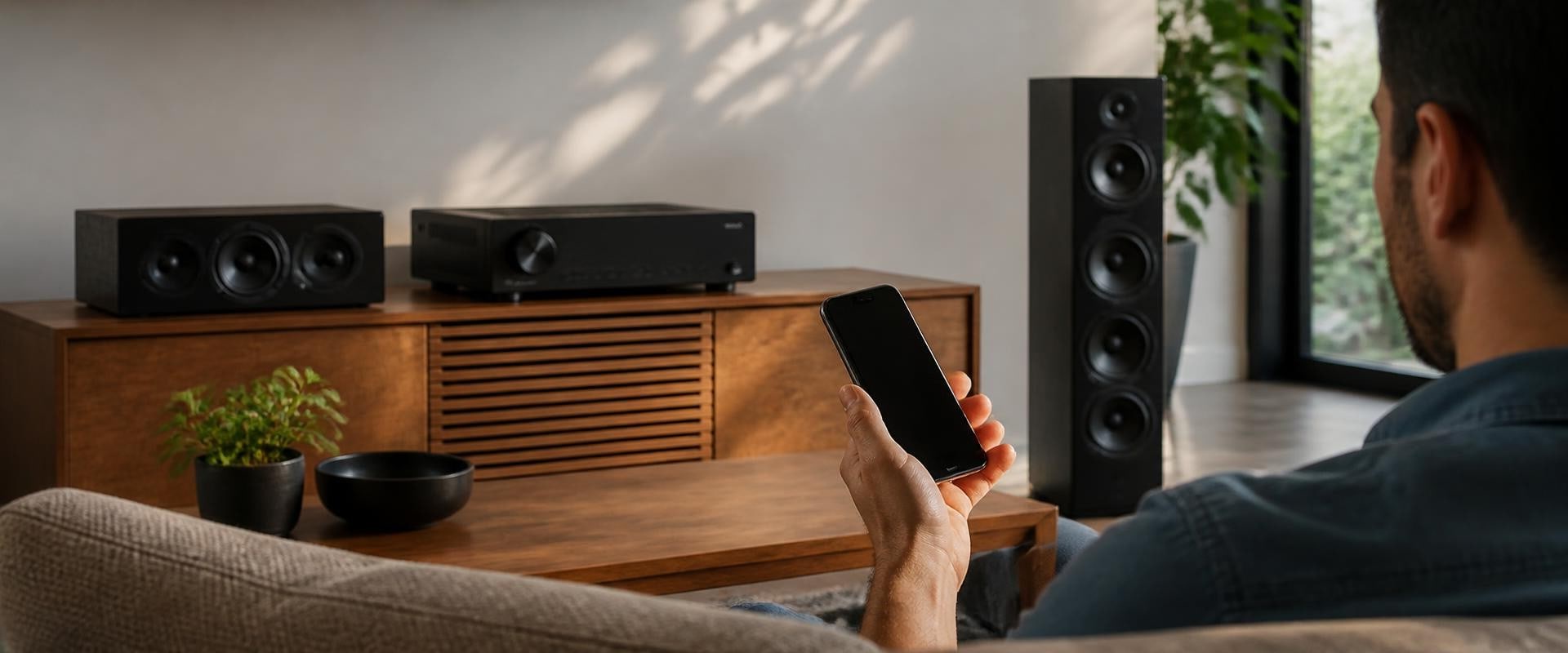
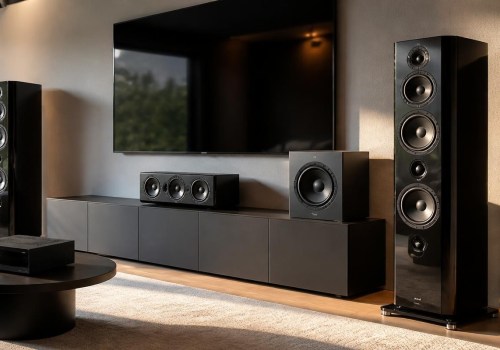
In today's digital age, home audio systems have evolved far beyond traditional setups, offering a seamless blend of sound quality and smart technology. These systems are designed to enhance your listening experience, whether you're enjoying music, watching movies, or hosting a gathering. Understanding the components of a home audio system is crucial for anyone looking to elevate their entertainment setup. Typically, a home audio system consists of speakers, amplifiers, receivers, and sometimes subwoofers, all working together to deliver rich and immersive sound. As you explore the various types of audio systems, you'll find options ranging from simple stereo setups to complex multi-room configurations.
Each type serves different needs and preferences, allowing you to customize your audio experience. For instance, a soundbar might be perfect for a compact living space, while a full surround sound system could be ideal for a dedicated home theater. The choice ultimately depends on your space and how you intend to use the system. Moreover, the integration of smart home technology into these audio systems has revolutionized how we interact with our music and media. With smart speakers and devices like Amazon Echo or Google Nest, you can control your audio system using voice commands or mobile apps.
This level of convenience not only enhances user experience but also allows for greater flexibility in managing your home entertainment environment. As we delve deeper into this article, we will explore how to effectively connect your smart devices to your home audio system, ensuring that you can enjoy high-quality sound with the ease of modern technology.
Choosing the Right Smart Devices for Your Audio System
When it comes to home audio installation, selecting the right smart devices is crucial for creating an immersive listening experience. With a plethora of options available, understanding which devices are compatible with your audio system can significantly enhance your setup.Best Smart Speakers for Audio
Smart speakers have revolutionized how we interact with music and audio content. Some of the best options include:- Amazon Echo Studio: Known for its high-fidelity sound, this speaker supports Dolby Atmos and can easily integrate with other smart home devices.
- Google Nest Audio: This speaker offers excellent sound quality and seamless integration with Google services, making it a great choice for those already in the Google ecosystem.
- Apple HomePod Mini: Ideal for Apple users, it provides rich sound and works flawlessly with Apple Music and Siri commands.
Audio Streaming Devices
To stream music from various platforms, consider adding dedicated audio streaming devices to your setup:- Roku Streaming Stick: While primarily known for video, Roku also supports music streaming apps like Spotify and Pandora.
- Amazon Fire TV Stick: Similar to Roku, this device allows you to access a wide range of music streaming services while also providing video content.
- Chromecast Audio: Although discontinued, if you can find one, it allows you to cast audio from your smartphone directly to your speakers.
Soundbars for Enhanced Audio
If you're looking to boost your home theater experience, a soundbar can be an excellent addition.Many modern soundbars come equipped with smart features:
- Sony HT-G700: This soundbar offers Dolby Atmos support and can connect wirelessly to other smart devices.
- Bose Soundbar 700: Known for its superior sound quality and voice control capabilities, it integrates well with various smart home systems.
Preparing Your Home Audio System for Smart Integration
Integrating smart devices into your home audio system can enhance your listening experience, but proper home audio installation preparation is crucial for a seamless setup. Here are the essential steps to ensure your audio system is ready for smart integration.- Check Compatibility: Before proceeding, verify that your existing audio equipment is compatible with smart devices. Look for features such as Bluetooth, Wi-Fi connectivity, or support for streaming services.
Many modern audio systems come with built-in smart technology, but older models may require additional adapters or upgrades.
- Assess Your Current Setup: Take stock of your current audio system configuration. Identify the components you have, such as receivers, speakers, and any existing smart devices. This assessment will help you determine what additional equipment you might need for integration.
- Upgrade Your Equipment: If your current system lacks smart capabilities, consider investing in a smart receiver or a multi-room audio system that supports voice control and app integration. Brands like Sonos and Bose offer excellent options that can easily connect with various smart devices.
- Network Considerations: Ensure your home Wi-Fi network is robust enough to handle multiple devices simultaneously.
A strong and stable connection is vital for uninterrupted streaming and control of your audio system through smart devices.
Connecting Smart Devices to Your Home Audio System
Connecting your smart devices to your home audio system can significantly enhance your listening experience, allowing you to stream music, podcasts, and more with ease. Here’s how to do it using both wired and wireless methods.Wired Connections
If you prefer a stable connection, consider using wired methods:- Using an AUX Cable: Most smart devices have a headphone jack. Simply connect one end of a 3.5mm AUX cable to your device and the other end to the AUX input on your audio system.
- USB Connection: Some audio systems support USB connections.
Connect your smart device via a USB cable to the audio system’s USB port. This method often allows for better sound quality.
Wireless Connections
For a more flexible setup, wireless connections are ideal:- Bluetooth: Ensure your audio system has Bluetooth capability. On your smart device, enable Bluetooth and search for available devices. Select your audio system from the list and pair them.
Once connected, you can stream audio wirelessly.
- Wi-Fi Streaming: If your home audio system supports Wi-Fi, you can use apps like Spotify or Apple Music to stream directly over your network. Make sure both your smart device and audio system are connected to the same Wi-Fi network.
- Smart Assistants: Devices like Amazon Echo or Google Home can control your audio system via voice commands. Ensure they are set up correctly and linked to the same network as your audio system.
Configuring Your Smart Devices for Optimal Performance
To ensure your smart devices work seamlessly with your home audio installation, proper configuration is essential. This involves adjusting settings on both your smart devices and the associated apps to achieve optimal audio performance.Smart Device Configuration
Begin by connecting your smart devices to the same Wi-Fi network as your audio system.This is crucial for enabling communication between devices. Once connected, check for any firmware updates for your smart speakers or audio receivers, as these updates often include performance enhancements and new features.
Optimizing Audio Settings
Next, dive into the audio settings of each device. Most smart speakers and sound systems come with built-in equalizers that allow you to adjust bass, treble, and mid-range frequencies. Experiment with these settings to find a balance that suits your listening preferences:- Bass: Increase for a richer sound experience, especially for music genres like hip-hop or electronic.
- Treble: Boost for clearer vocals and instruments, ideal for podcasts or classical music.
- Mid-range: Adjust to enhance dialogue clarity in movies and shows.
App Settings for Audio Devices
Many smart audio devices are controlled via dedicated apps.Within these apps, you can often find additional settings that can enhance your listening experience:
- Room Calibration: Use any available room calibration features to optimize sound based on your room's acoustics.
- Streaming Quality: Adjust the streaming quality settings to ensure you’re receiving the best possible audio output.
- Multi-Room Setup: If you have multiple speakers, configure them for multi-room playback to enjoy synchronized audio throughout your home.
Troubleshooting Common Issues with Smart Audio Connections
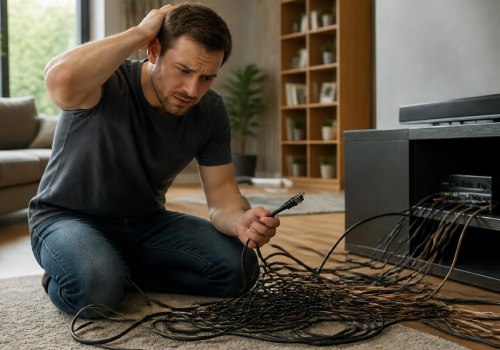
Connecting smart devices to your home audio system can enhance your listening experience, but it’s not uncommon to encounter some troubleshooting issues. Here are some common problems and their solutions:- Connection Drops: If your smart device frequently disconnects from the audio system, ensure that both devices are on the same Wi-Fi network. Restarting your router can also help stabilize the connection.
- Audio Lag: A noticeable delay between video and audio can be frustrating.
To fix audio lag, try switching from Bluetooth to a wired connection, as this often reduces latency. Additionally, check for any firmware updates for both your smart device and audio system.
- No Sound Output: If you’re not getting any sound, verify that the correct output source is selected on your audio system. Sometimes, simply unplugging and re-plugging the device can resolve this issue.
- Inconsistent Volume Levels: If the volume fluctuates unexpectedly, check the settings on both your smart device and audio system. Ensure that any automatic volume adjustments are turned off.
Regularly updating your devices can also prevent many common connection problems.
Future Trends in Home Audio Installation and Smart Device Integration
The landscape of home audio installation is rapidly evolving, driven by advancements in technology and the increasing integration of smart devices. As we look to the future, several key trends are emerging that will shape how we experience audio in our homes.Seamless Integration with Smart Home Ecosystems
One of the most significant trends is the seamless integration of home audio systems with broader smart home ecosystems. Devices such as smart speakers, voice assistants, and home automation hubs are becoming central to audio installations. This allows users to control their audio systems through voice commands or mobile apps, creating a more intuitive and user-friendly experience.Wireless Technology Advancements
Another trend is the advancement of wireless technologies.With the rise of Wi-Fi 6 and Bluetooth 5.0, audio quality and connectivity are improving significantly. These technologies enable high-fidelity sound transmission without the clutter of wires, making installations cleaner and more aesthetically pleasing.
Personalization and Customization
The future of home audio installation also lies in personalization. Smart devices are increasingly equipped with AI capabilities that learn user preferences over time. This means that audio systems can automatically adjust settings based on individual listening habits, creating a tailored experience for each user.Sustainability in Audio Solutions
Sustainability is becoming a priority in technology development, including home audio systems.Manufacturers are focusing on eco-friendly materials and energy-efficient designs, which not only reduce environmental impact but also appeal to environmentally conscious consumers.
Innovative Audio Formats
The introduction of new audio formats, such as spatial audio, is set to revolutionize how we perceive sound in our homes. These formats provide an immersive listening experience that can transform ordinary spaces into dynamic sound environments. As these trends continue to evolve, homeowners can expect more sophisticated and integrated solutions for their home audio installations. Staying informed about these innovations will be crucial for anyone looking to enhance their audio experience in the smart home era.Conclusion: Enhancing Your Home Audio Experience with Smart Technology
In conclusion, integrating smart devices into your home audio installation can significantly enhance your listening experience. By leveraging the capabilities of modern technology, you can create a seamless audio environment that caters to your preferences and lifestyle. Throughout this article, we explored various methods to connect your smart devices to your home audio system.From utilizing wireless protocols like Bluetooth and Wi-Fi to employing smart hubs for centralized control, each approach offers unique advantages. Here are some key takeaways:
- Flexibility: Smart devices allow you to control your audio system from anywhere in your home, providing unmatched convenience.
- Customization: With smart technology, you can tailor sound settings and playlists to suit different moods or occasions.
- Integration: Connecting multiple devices enables you to create a cohesive audio experience across various rooms.